
Achieving the perfectly soft-boiled egg is almost a culinary rite of passage. On the one hand, the mere idea of a soft-boiled egg embodies the warmth of a slow and lazy morning, made perfect by an indulgent yet quick-to-make breakfast. Delectably jammy on the inside, with an outer white that's just firm enough to hold its shape - the soft-boiled egg is a thing of breakfast legend. On the other hand, actually achieving a perfect soft-boiled egg is the kitchen equivalent of tilting at windmills. If you've ever stood over a pot of boiling water with an egg timer in one hand, and a spoon at the ready in the other, wondering if six, seven, or eight minutes will achieve perfection - while also wondering just how long it's been exactly since the water began boiling - you're not alone.
The simple truth is this: achieving that narrow window of perfection, where the white is fully set but tender, and the yolk luxuriously thick and golden, is not something you can eyeball or guess at. It requires precision and the understanding of a few key principles about temperature, timing, and technique that most basic recipes gloss over. The good news? Once you know what you're doing, soft-boiled eggs become one of the most reliable, versatile, and genuinely impressive things you can do in the kitchen and with minimal effort.
Whether you're topping ramen, elevating avocado toast, or simply enjoying eggs and soldiers the old-fashioned way, mastering this technique opens up countless possibilities for turning ordinary ingredients into something quietly extraordinary.
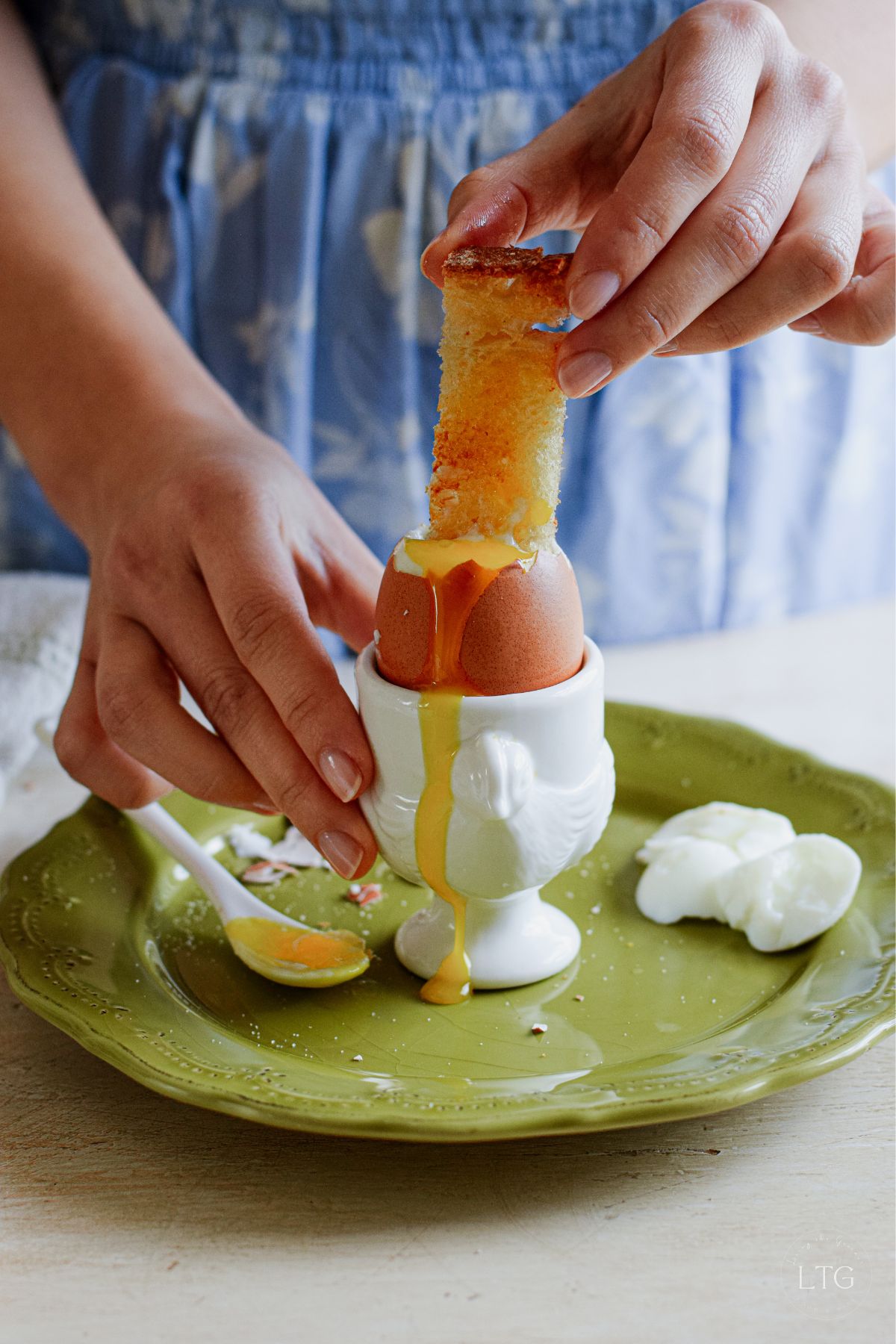
Quick Answer: The Perfect Soft-Boiled Egg Method
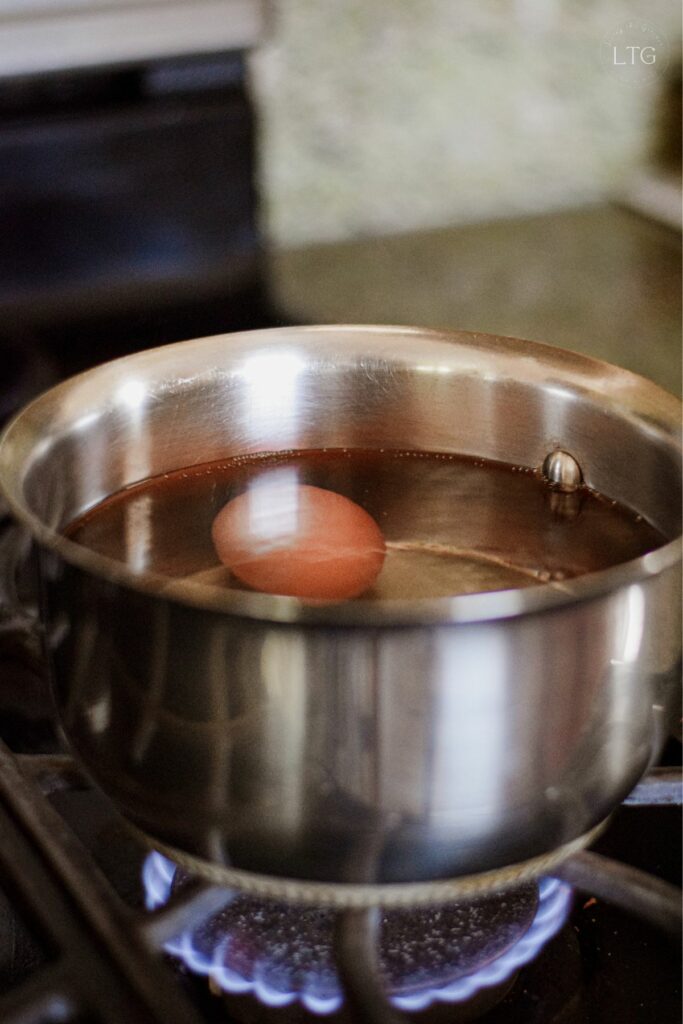
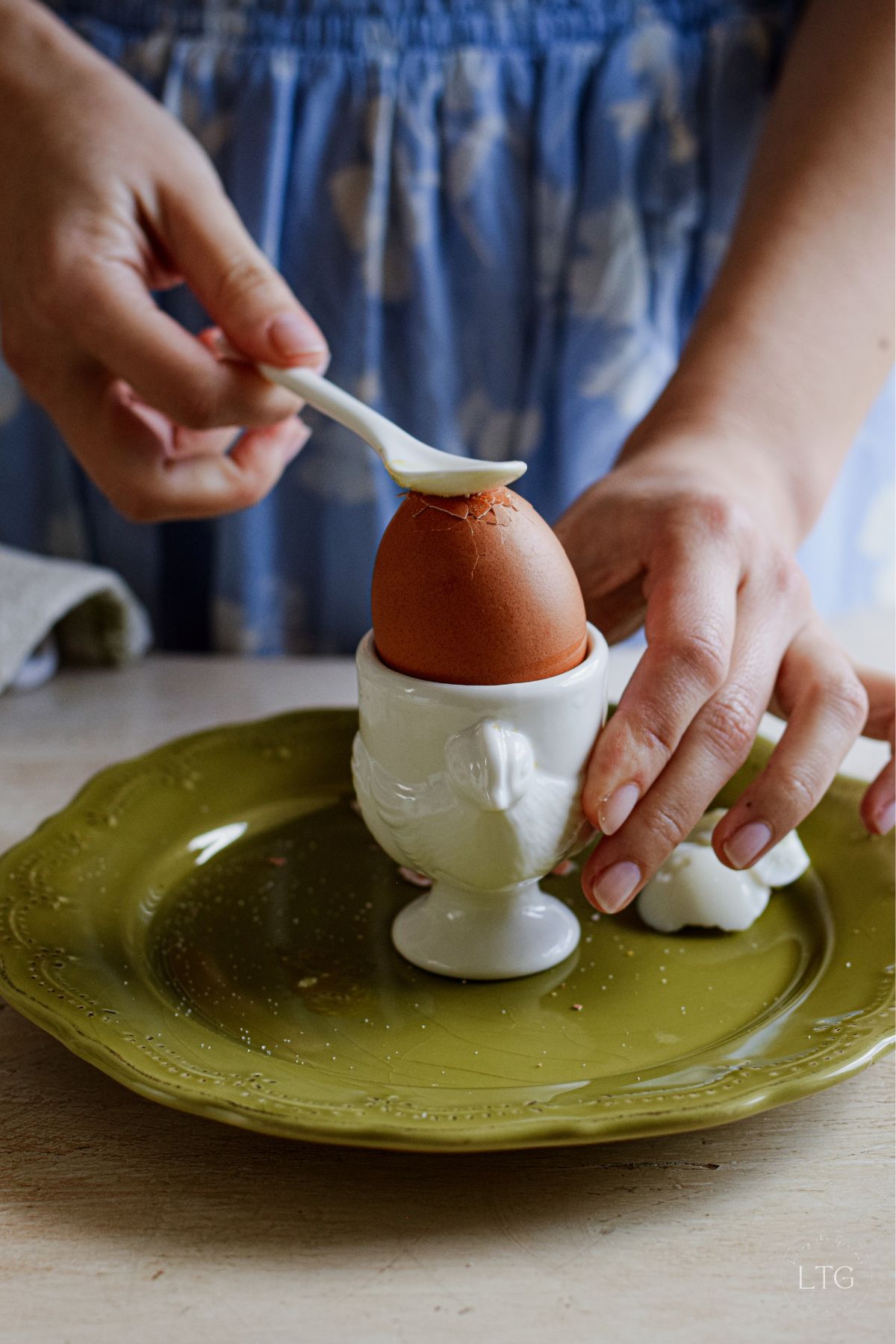
For jammy-yolked soft-boiled eggs, start by bringing water to a full boil, then gently and slowly lower the eggs (straight from the fridge is fine) into the water, and cook for exactly 7 minutes. Start timing when the eggs hit the water. At seven minutes, immediately transfer the eggs to an ice bath for at least 5 minutes. This stops the eggs from cooking and makes peeling easier. For runnier yolks, cook 6 minutes; for firmer, cook 8 minutes. Peel under running water for easier shell removal.
Why Perfect Timing Matters: The Science of Soft-Boiled Eggs
The difference between a perfect soft-boiled egg and a hard-boiled egg comes down to chemistry. Specifically, the temperatures at which egg proteins coagulate and then set. Egg whites begin to set between 144-149 degrees F, at which temperature range they begin the process of transforming from translucent liquid to opaque, tender white. The yolk, however, does not start solidifying until it reaches about 149-158 degrees Fahrenheit. Herein, you can see the precision necessary to achieve soft-boiled perfection as a mere 14 degrees separates the solidification of the two. This narrow separation in temperature provides the window in which you allow the white to fully set (which happens fairly quickly) while keeping the yolk just below the temperature at which it transforms from glossy and jammy to chalky and crumbly.
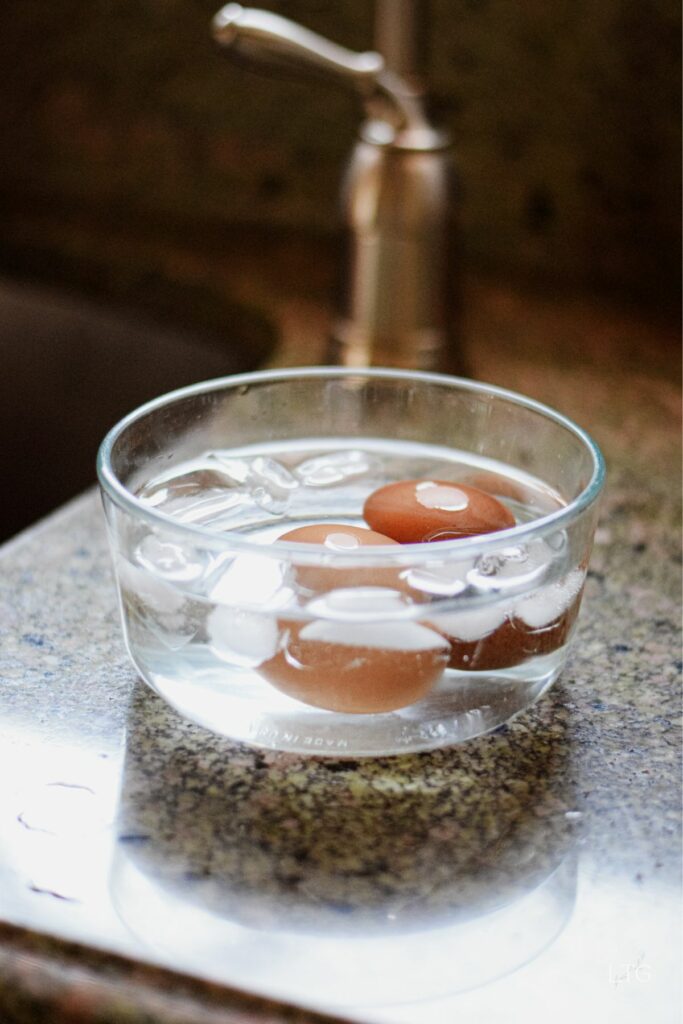
However, here's the difficult part - eggs do not stop cooking the moment you remove them from the heat. Instead, eggs experience a fair amount of carryover cooking, meaning the residual heat trapped inside the egg continues raising the egg's internal temperature for a solid several minutes after they have been removed from the boiling water. What this means is even if you remove a perfectly jammy soft-boiled egg from the water at the seven-minute mark, it can become firmly hard-boiled if you let it sit on the counter while you make toast. This is why the ice bath is not optional. Instead, you need to regard the ice bath as a crucial middle step in the process of making soft-boiled eggs.
This small temperature differential is why seemingly small variables - such as starting with cold eggs versus room temperature ones, using a gentle simmer versus a rolling boil, or an ice bath that isn't quite cold enough - can produce markedly different results. However, once you've got a grasp on these small details, the necessary precision and technique simply fall into place. Making soft-boiled eggs is a matter of controlling temperature and time to hit a specific sweet spot where the whites are fully set, and the yolks are luxuriously jammy.
Soft Boiled Eggs Time Chart
- Time: 6 Minutes
- Yolk Consistency: Liquid center. Fully set white, flowing yolk.
- What to Expect: White is just set throughout. Yolk is warm but completely liquid - it will run when cut. Similar to a poached egg consistency.
- Egg Size: This time assumes a medium-to-large egg.
- Best For: Dipping toast soldiers, over ramen, noodle bowls, or any dish where a runny yolk is desired.
- Time: 7 Minutes
- Yolk Consistency: Jammy yolk. Custardy, just barely set.
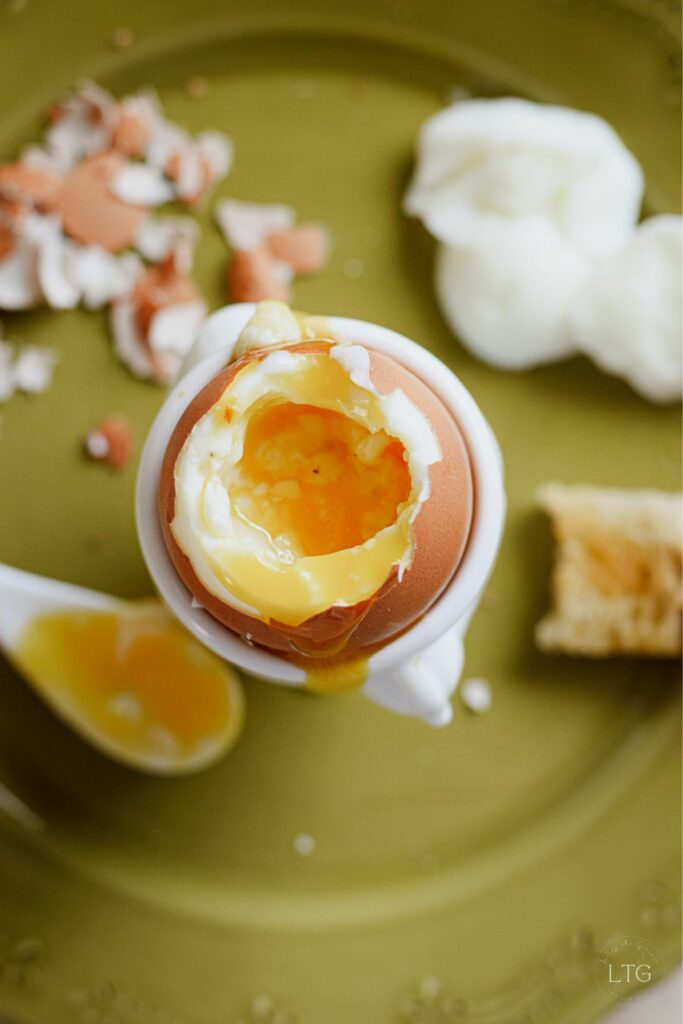
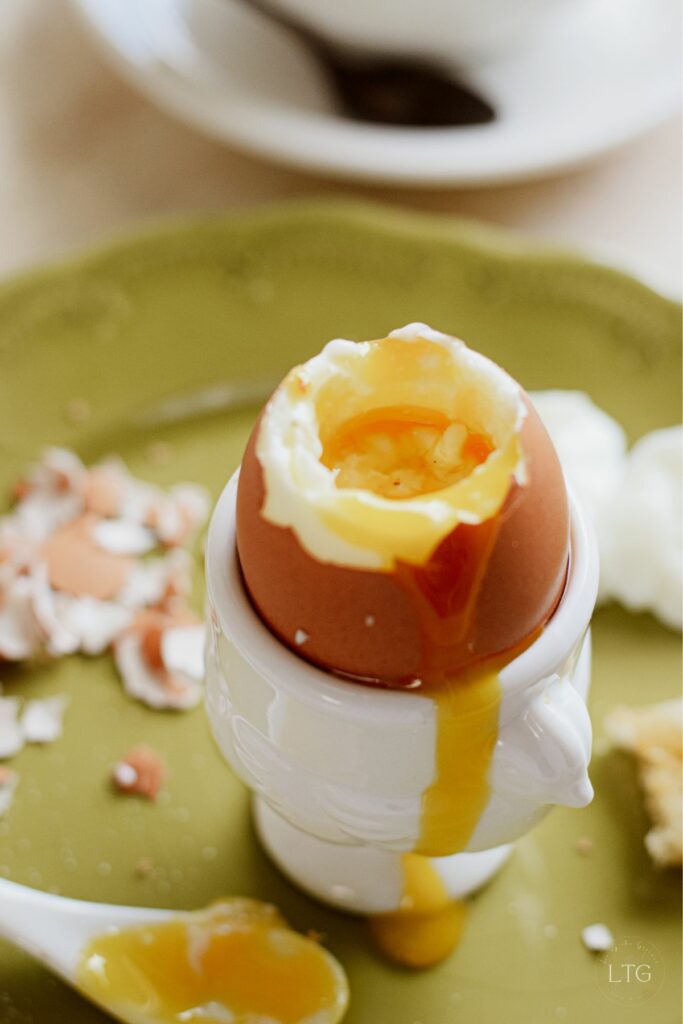
- What to Expect: White is fully set and tender. Yolk is a deep golden, jammy, and creamy - holds its shape when peeled but yields when pressed- the sweet spot.
- Egg Size: This time assumes a medium-to-large egg.
- Best For: Grain bowls, salads, avocado toast, ramen, or served simply with toast and coffee.
- Time: 8 Minutes
- Yolk Consistency: Mostly Set. Set edges, soft center.
- What to Expect: White is fully set and slightly firmer. Yolk is set around the edges with a small, fudgy center. Richer in texture, still moist throughout.
- Egg Size: This time assumes a medium-to-large egg.
- Best For: Sliced into salads, Niçoise salad, sandwiches, or anywhere a firmer yolk is preferable but a hard boil is too much.
Key Steps, every time: Bring water to a full boil before adding eggs - start timing the moment eggs enter the water - transfer immediately to an ice bath for at least 5 minutes - peel under running water for easiest shell removal - eggs straight from the refrigerator are fine, no need to bring to room temperature first.
Troubleshooting: When Things Go Wrong
Cracked Eggs During Cooking
Eggs don't only crack due to blunt force. They can also crack due to thermal shock - meaning cold eggs fresh from the fridge hitting boiling water too quickly, or water that is boiling too violently. The solution to this is simple. Warm your eggs to room temperature, lower them gently into the water, and ensure the water is a gentle boil just before the eggs are in.
Green or Gray Ring around the Yolk
This results from overcooking or slow cooling after cooking. The solution here is to reduce cooking time by 30-60 seconds and use an immediate ice bath for a full five minutes.
Rubbery, tough white
If the water is boiling too aggressively, or the eggs have cooked too long, you'll get tough, rubbery whites that are unpleasant to eat. The solution is to maintain a gentle boil (not violent or rolling) and reduce the cooking time. Check that you're using the right time for your egg size.
The Yolk is completely liquid, and the white is not set
The water wasn't at a full boil when the eggs went in, or the cook time was too short for the egg size. The solution here is to make sure the water is at a gentle boil and that your cook time is appropriate to the egg size. Jumbo eggs require an extra 30-60 seconds of boil time.
How to Serve Your Perfect Soft-Boiled Eggs
Classic Breakfast
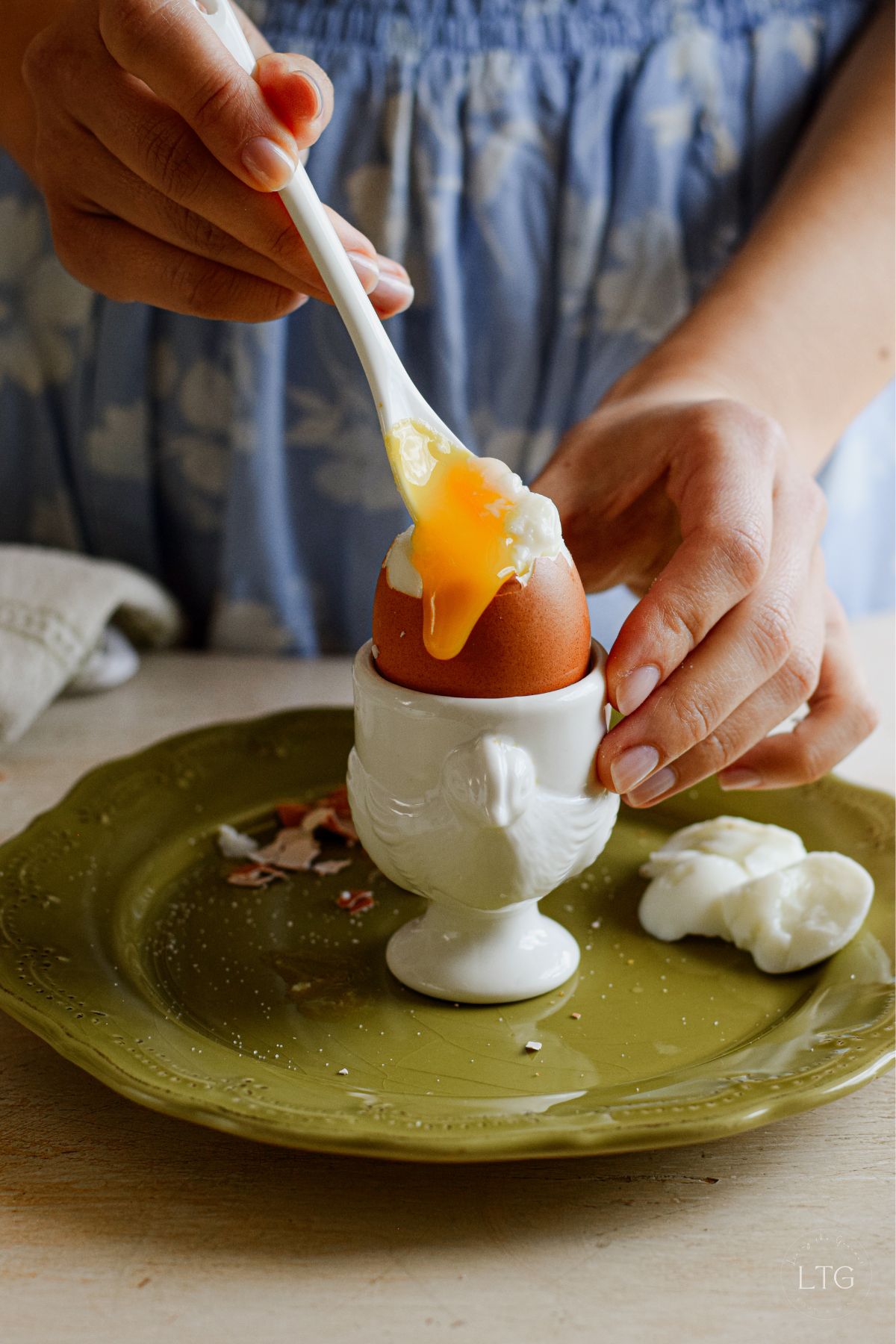
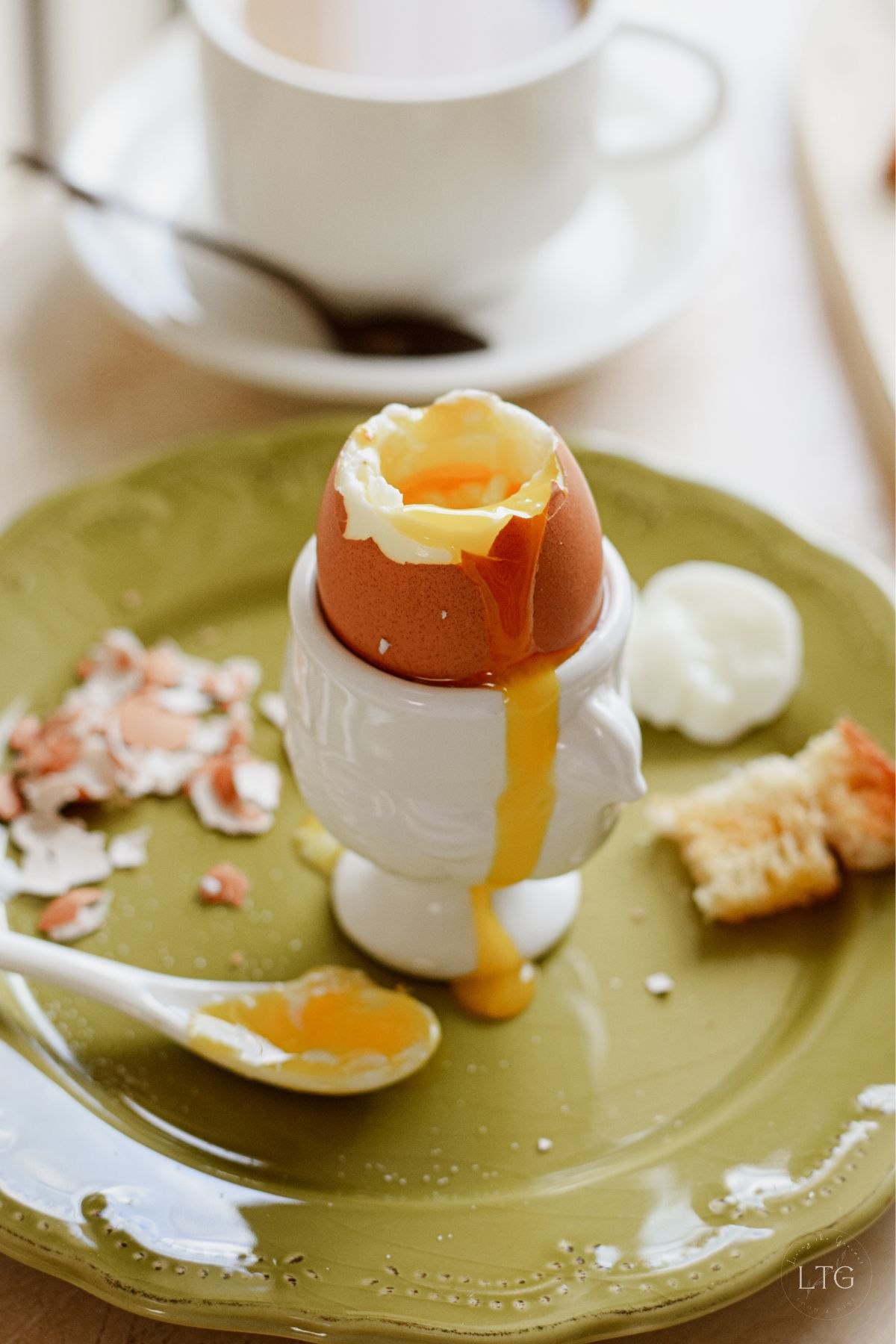
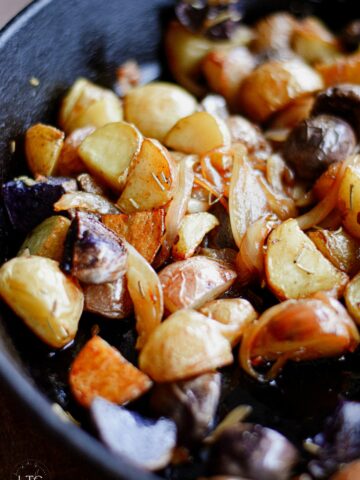
Soft-boiled eggs with toast soldiers and a cup of tea or coffee remain the most beloved and traditional way to serve soft-boiled eggs for a reason - it's simply delicious. Cut thick slices of crusty bread into strips, then toast until golden with butter, and dip into the jammy yolk. For a more substantial breakfast, serve with home fries or as a side to crepes, and if you're feeling particularly adventurous, prep a nice homemade artisan loaf of bread.
Brunch Options
Salads. Soft-boiled eggs mixed into salads is a great way to ramp up the decadence of your favorite brunch salad, especially hardier, deli-style salads. Soft-boiled eggs work particularly well with acidic, vinegar-forward dressings or light, herbal vinaigrettes.
Soups and Comfort Food
A simple soft-boiled egg is a quick way to elevate almost any soup to a restaurant-quality treat. Float one in a bowl of Greek-Style lamb soup, wonton soup, or Asian-style pork soup, where the yolk will enrich the broth as you break into it.
Frequently Asked Questions
The green or grey ring is a harmless chemical reaction between the naturally occurring sulfur in the white and the iron in the yolk. This reaction occurs when eggs are overcooked or not cooled quickly enough.
Yes, soft-boiled eggs can be prepped two days ahead of time. I recommend storing the eggs unpeeled in an airtight container in the fridge. When ready to serve, enjoy cold. They are simply great cold in salads. You can rewarm an unpeeled soft-boiled egg by covering it with hot water for 1-2 minutes, just enough to take the chill off. Keep in mind that the yolk will slightly firm up during refrigeration, so soft-boiled eggs are best enjoyed fresh.
Absolutely. This guide suggests 6-7-8 minutes (depending on the size of the eggs and your desired level of doneness) based on cold eggs straight from the fridge. Room-temperature eggs will cook about 30 seconds faster, so reduce the time accordingly if you've left your eggs out on the counter to warm.
"Soft-Boiled" is the broad category for any egg with a runny or partially liquid yolk (6-8 minutes), whereas "Jammy Egg" specifically refers to the 7 or 7.5 minute sweet spot where the yolk has only partially thickened, while remaining spreadable, like a jam. Basically, jammy eggs are a type of soft-boiled egg wherein the yolks have a jam-like consistency.
There are three main culprits here. Very fresh eggs (under 7 days old) have a lower pH, which makes the membrane cling tightly. Second, insufficient ice bath times. Eggs must spend a solid 5 full minutes in ice water to contract and create separation between the membrane and the white. Third is poor technique. Start peeling from the wider end, where the air pocket is, and peel under running water. You can also roll the eggs gently on the counter first to crack the shell uniformly across the entire surface of the egg.

Perfect Soft Boiled Eggs
- Total Time: 10 minutes
- Yield: 1 1x
Ingredients
- 2 large eggs
- Filtered water
- 1/2 cup ice cubes
- Salt and pepper, to taste
Instructions
- In a small sauce pot, bring 32 ounces of filtered water to a boil.
- Carefully lower the eggs into the boiling water and let them cook for *7 minutes, uncovered.
- Promptly transfer the eggs to a bowl of ice water and let them sit for 5 minutes.
- Serve and season with salt and pepper. Enjoy!
Notes
*Cook time depends on how 'runny' you want your yolk. 6 minutes for a very runny center, 7-7½ for a jammy yolk, 8 minutes for a slightly more set yolk.
- Prep Time: 3 minutes
- Cook Time: 7 minutes
- Category: Breakfast
- Method: Stovetop
- Cuisine: American
And that's our guide to the perfect soft-boiled egg. If you enjoyed this guide or have any questions or suggestions, be sure to let us know in the comments below. We always love hearing from you!
Happy Cooking!



Lora says
I love a jammy soft boiled egg! And you broke down the right way to get the perfect soft boiled eggs. Making them again today!
Angela Campos says
Great tips, my soft boiled egg really did turned out perfect! Glad I came across this, I have never been able to figure it out until now, thanks!
Katie Crenshaw says
Thank you! I have never been able to do this right, and my eggs out perfect. Great tips and instructions!
Catalina says
I followed this method and my eggs came out perfect. Set whites with a creamy yolk!
Amy says
The timing was spot on! These turned out perfectly jammy and were such a great addition to my breakfast.
Ben says
I have NEVER been able to perfect a soft-boiled egg until now. Mine are usually just hard-boiled. LOL. I guess I'm afraid of raw. In any event, these came out perfect.