
This post has been sponsored by Mark T. Wendell. All opinions expressed are my own.
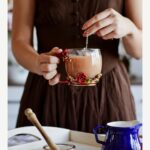
There are times when the world demands nothing of us but stillness- when a kettle begins to hum, steam curls like silk into the air, and the simple act of steeping tea leaves becomes something sacred. Tea, after all, is not merely a beverage. It is a pause made visible, warmth held between two hands, comfort drawn from earth and water.
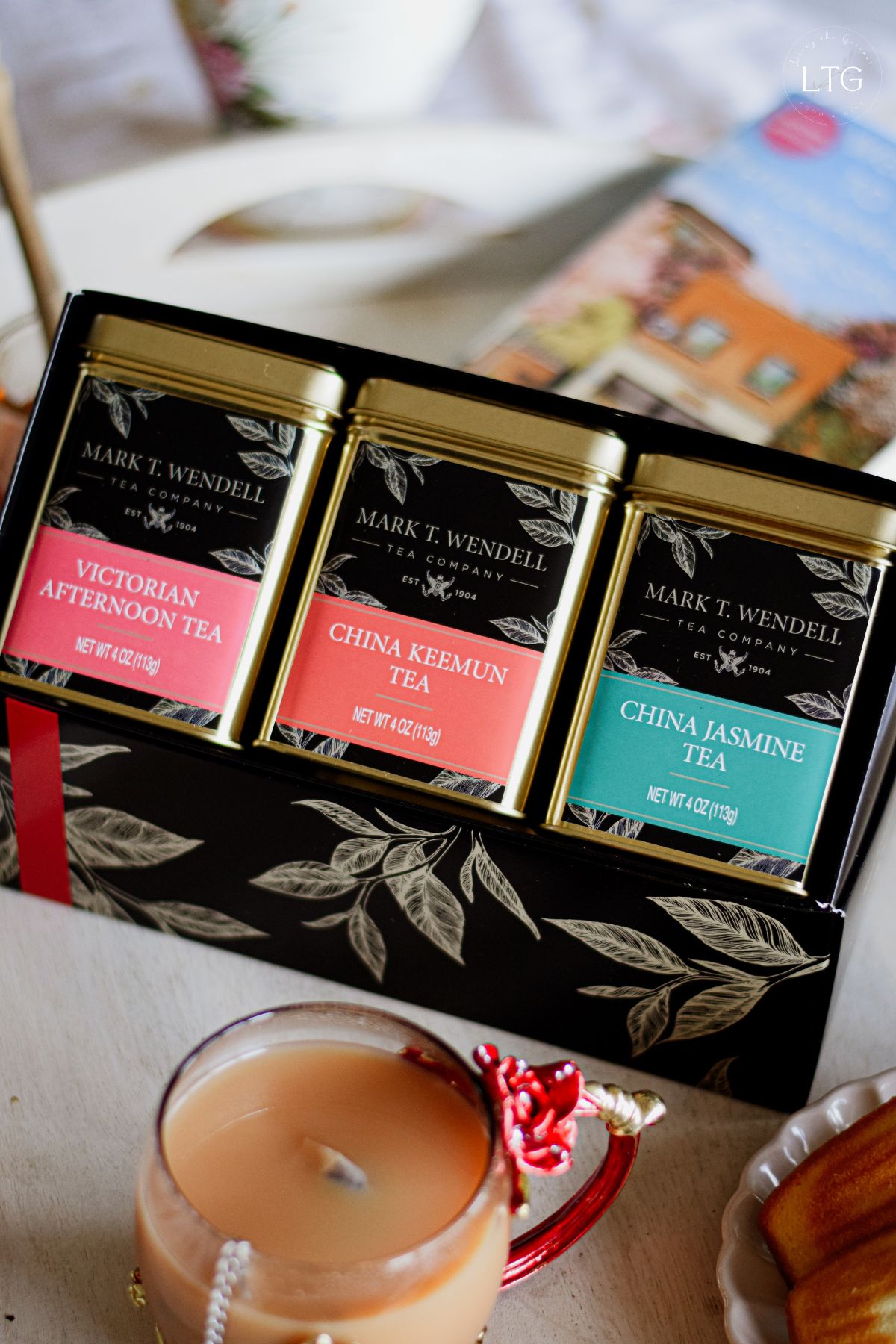
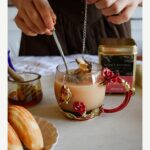
Recently, we found ourselves returning to this ritual with renewed appreciation through the exquisite loose-leaf selections from our good friends over at Mark T. Wendell. Their Loose Tea Trio Sampler is a small collection that feels both indulgent and timeless, offering a variety of flavors suited to morning light, afternoon reflection, or evening calm.
If you have ever wondered why tea from a café tastes fuller, softer, more alive than what emerges from a hurried mug at home, the answer lies in the details. Brewing the perfect cup is not complicated, but it does ask for intention and a little bit of time. But anything worthwhile is also worth waiting for.
Let us walk through the process together and brew something special...
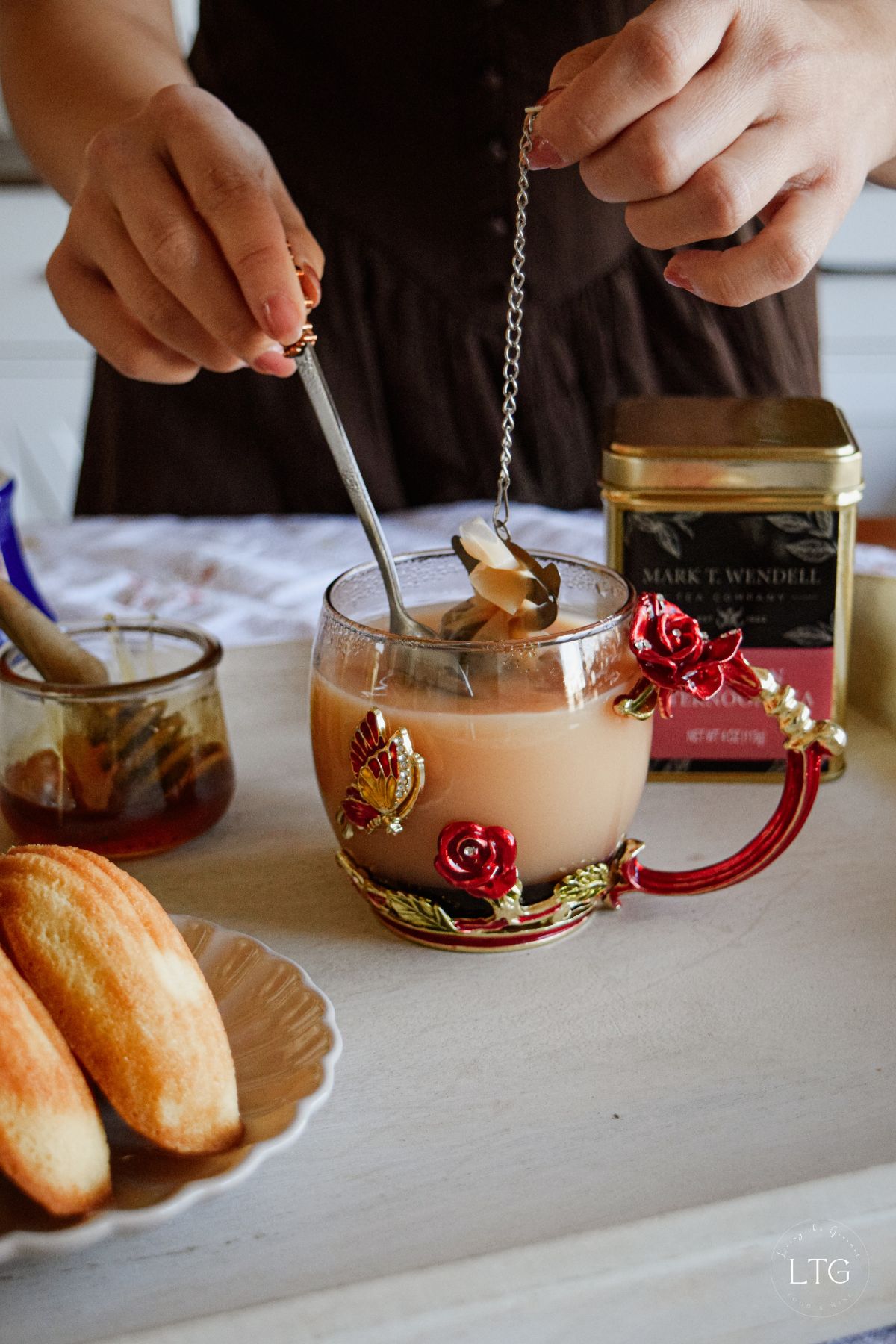
Why Loose Leaf Tea Makes a Difference
Loose-leaf tea allows the leaves to fully unfurl in water, releasing layered aromas, delicate tannins, and natural sweetness that bagged tea often cannot deliver. It is the difference between listening to a symphony in a grand hall versus through a phone speaker- both recognizable, yet worlds apart.
In my last post about brewing loose-leaf tea, I delved a little further into the process. Much like artisan cups of coffee that we take the time to measure precisely, warm and froth milk, and carefully pour in such a way for art, that same intent must be applied to achieving the perfect cup of tea.
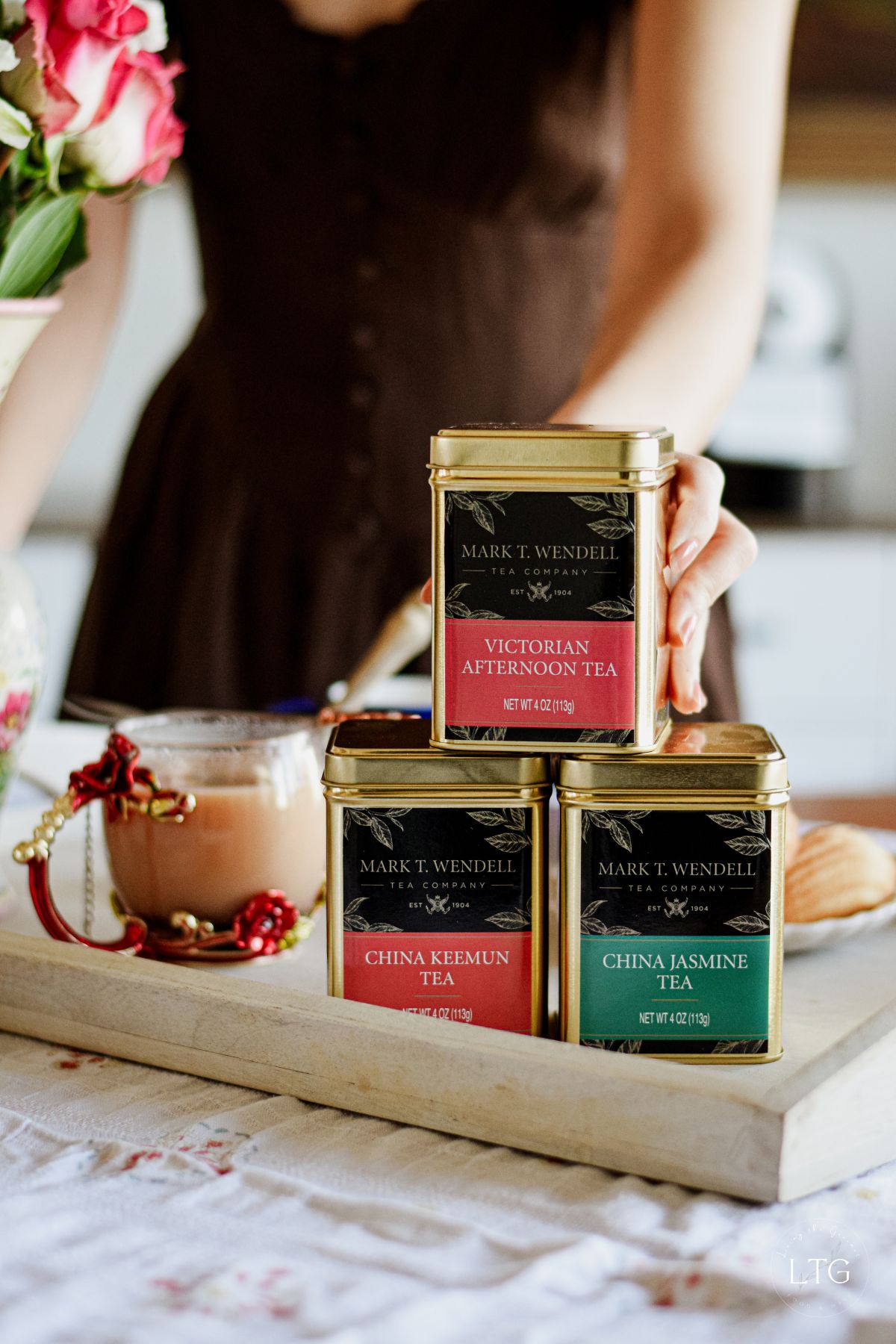
The Best Brewing Method for Perfect Tea
Start with Fresh, Cold Water
- Always use freshly drawn water. Reboiled water loses oxygen, resulting in flat-tasting tea.
- Filtered water is ideal, especially if your tap water is heavily chlorinated or mineral-rich.
Heat Water to the Proper Temperature
Different teas require different temperatures to avoid bitterness.
- Black tea: 200-212°F (just off a full boil)
- Green tea: 160-180°F
- Oolong tea: 185-205°F
- White tea: 170-185°F
- Herbal infusions: 212°F
If you don't own a temperature-controlled kettle, let boiling water rest briefly for delicate teas.
Measure the Tea Properly
A good rule of thumb: 1 teaspoon loose-leaf tea per 8-oz cup
Larger leaves (such as oolong or white tea) may require slightly more.
Steep with Patience
Place the tea in an infuser, teapot, or strainer that allows room for expansion.
- Black tea: 3-5 minutes
- Green tea: 2-3 minutes
- Oolong tea: 4-6 minutes
- White tea: 4-5 minutes
- Herbal tea: 5-7 minutes
Over-steeping introduces harsh bitterness; under-steeping yields weak flavor. The sweet spot is where fragrance meets body. A good way to judge the strength of the tea is to hold it to the light and check the color.
Ingredient Notes: Everything You'll Need
Tea can be enjoyed purely or dressed gently to suit the moment.
- High Quality Tea
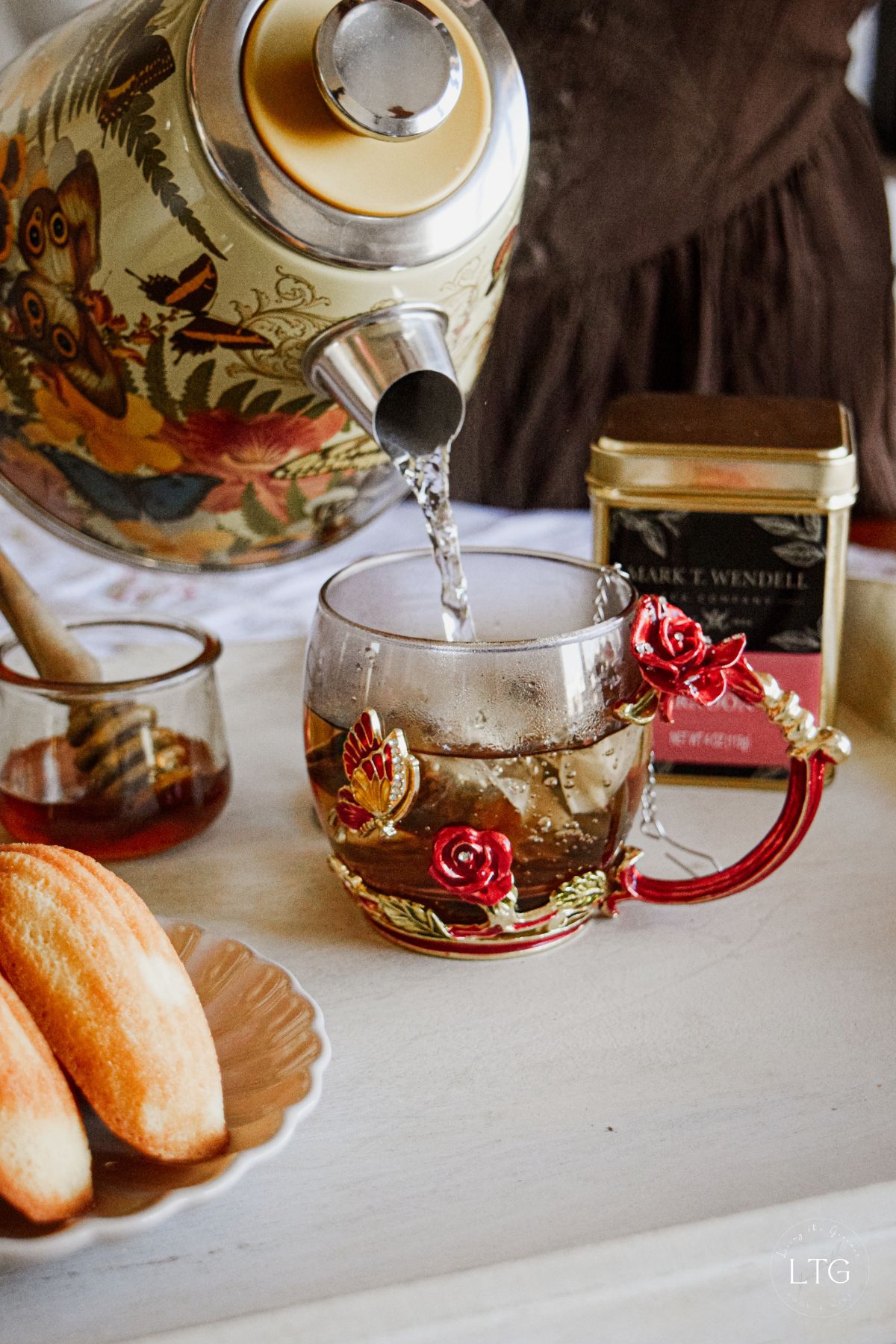
- A good brew begins with high-quality tea. That's why we always recommend Mark T. Wendell. Their Loose Tea Trio Sampler is a perfect collection of aromatic teas, each with its own unique bold flavor: Victorian Afternoon Tea (smoky), China Keemun Tea (smooth), China Jasmine Tea (fragrant).
- Milk
- Best paired with robust black teas. It softens tannins and creates a comforting, velvety texture.
- Cream
- A richer option for breakfast blends or strong afternoon teas - almost dessert-like in its indulgence.
- Sugar
- Enhances brightness without significantly altering the flavor profile.
- Honey
- Adds floral sweetness and depth. Particularly lovely in herbal or lightly oxidized teas.
- Lemon (optional)
- A bright accent for black tea - though avoid combining with milk, as it may curdle.
- Ultimately, additions should complement, not overwhelm. Good tea should still taste like tea.
How to Store Loose-Leaf Tea Properly
Tea is delicate and easily affected by its surroundings. Store dry leaves in:
- An airtight container
- A cool, dark place
- Away from moisture, heat, and strong odors
- Opaque tins rather than clear jars
When properly stored, most teas remain vibrant for 6-12 months, though some (like pu-erh) age beautifully.
Tea FAQs
If your tea tastes bitter and strong, it's most likely from steeping it for too long. Water temperature also contributes to this issue if the water is too hot.
Yes. Many high-quality teas yield multiple infusions, each revealing new nuances. This also depends on the type of tea you are brewing. Some can hold up to 2-3 brews.
Loose-leaf tea typically contains larger, less processed leaves and fewer additives, preserving natural antioxidants and flavor.
It varies by type, but generally less than coffee. Shorter steep times produce lower caffeine levels.
Not at all. A simple infuser basket is sufficient. You can also use your own tea bags and tea clip for individual cups.
How to Brew the Perfect Cup of Tea
- Total Time: 10 minutes
- Yield: 1 cup 1x
Ingredients
- 1 teaspoon of your desired loose-leaf black tea
- Filtered water
- 2-3 tablespoons whole milk (or half and half)
- 1 teaspoon of honey (or sugar)
Instructions
- Fill your tea kettle with fresh, filtered water and bring to a boil. Turn off immediately and let it stand for a few minutes. You want the temperature to read 200-212°F for black tea.
- In your tea infuser or tea filter bag, place 1 teaspoon of black tea.
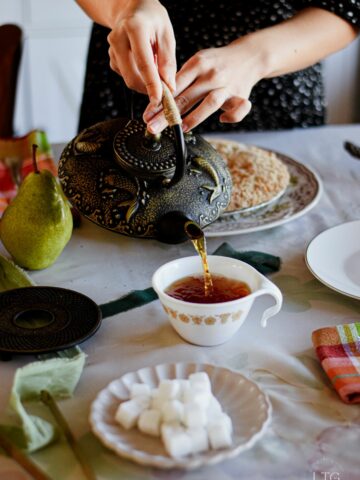
- Pour the water over the tea and let it steep for 3-5 minutes, depending on how strong you want your tea.
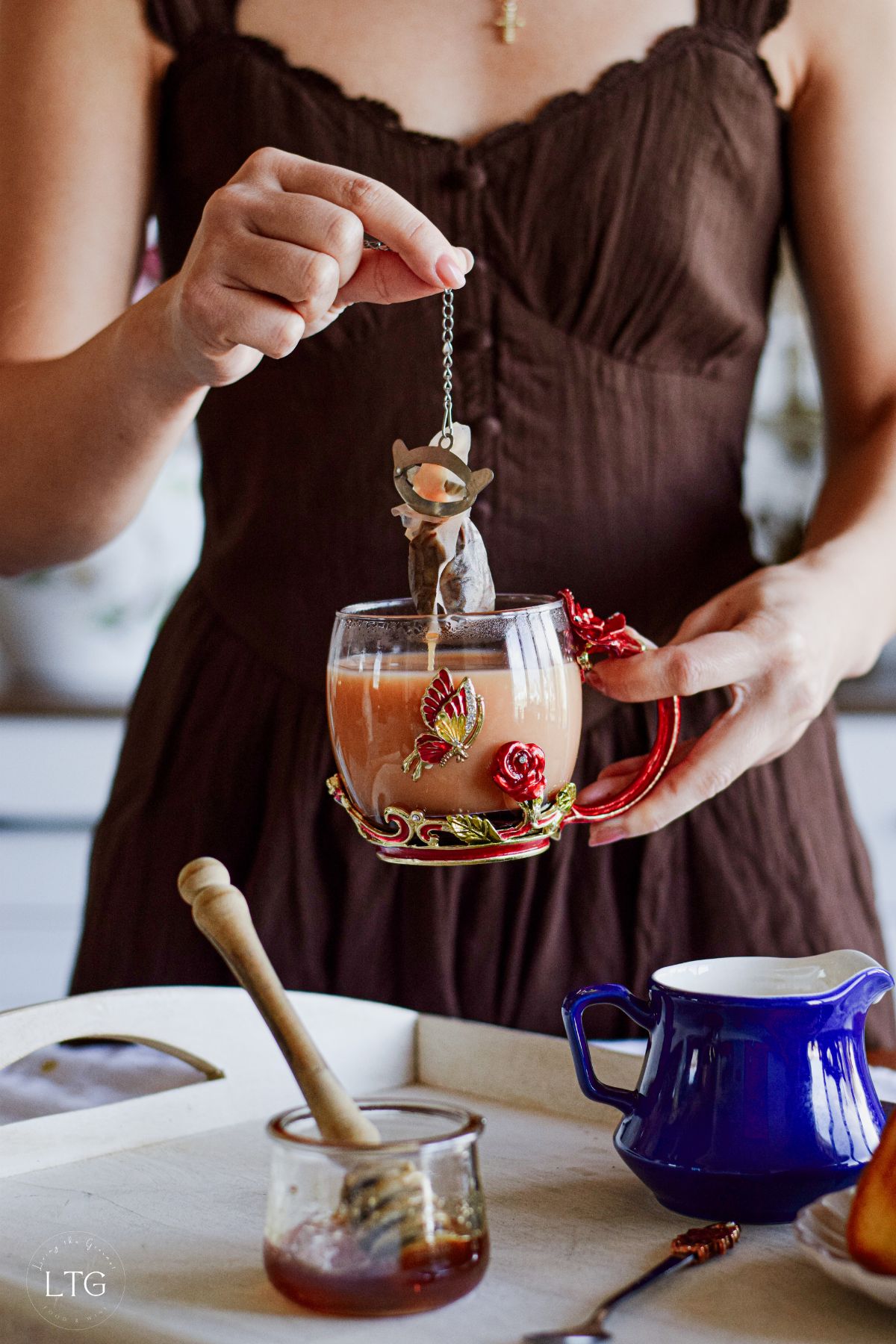
- Add milk and honey once the tea has steeped. Enjoy!
- Prep Time: 5 minutes
- Cook Time: 5 minutes
- Category: Drinks
- Cuisine: American
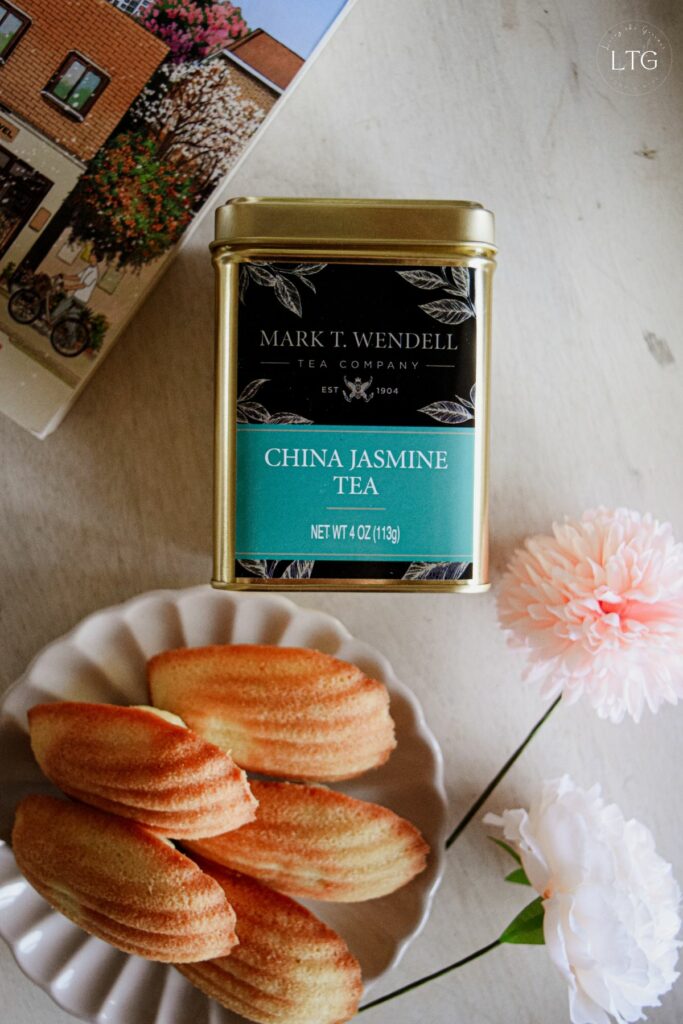
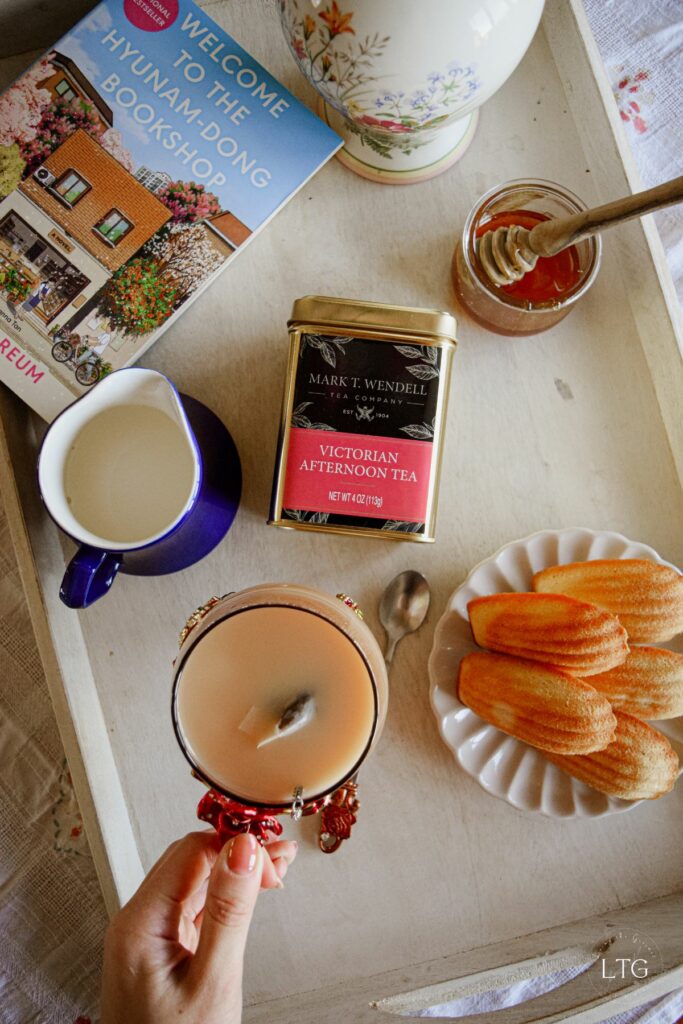
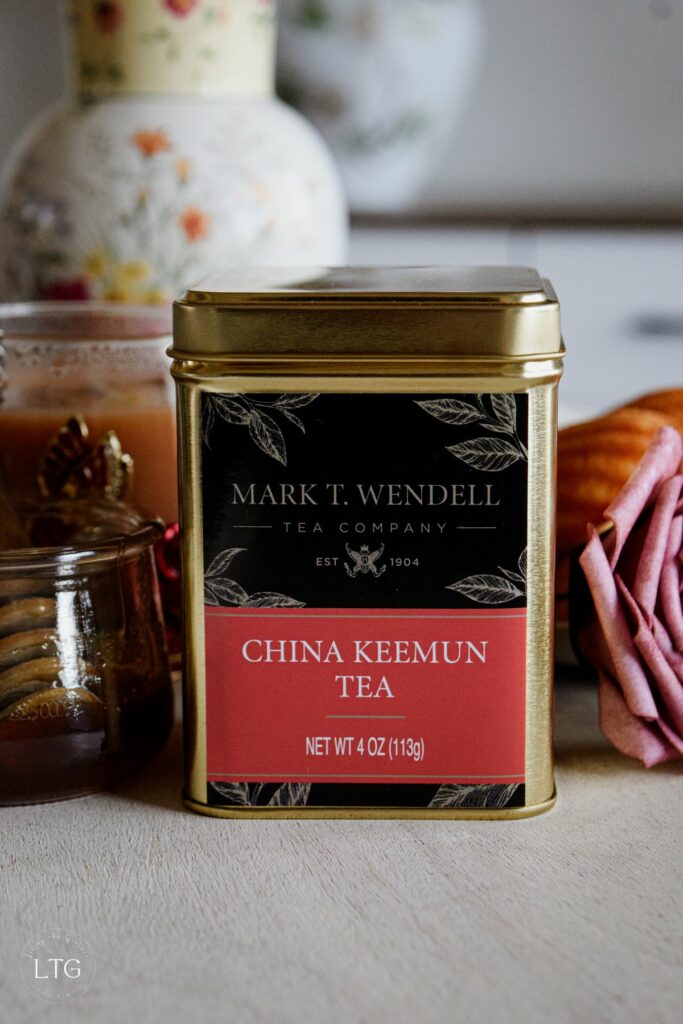
A curated sampler, such as the Loose Tea Trio, makes a particularly meaningful Mother's Day gift. It feels personal without being extravagant, indulgent yet practical. In short, it's the perfect gift that says, "Take a moment for yourself."
As always, when you shop Mark T. Wendell's catalog, don't forget to use promo code 'LivingtheGourmet' at checkout for an exclusive reader discount!
**This post contains affiliate links from which we earn a small commission. Thank you for supporting LTG!
Enjoy with love always!

Catalina says
I followed this guide and my tea came out so much better. The small details really make a difference!
Amy says
The timing and temperature tips really helped bring out the tea's flavor without any bitterness—it made for a nice, smooth cup.
Ben says
I'm going to be putting all these tips to use tomorrow when I make my morning tea. I have been doing it ALL wrong. LOL.
Terri says
Oh, wow. I've always just used tap water. I can't wait to put these tips to use!
Beth says
These are such great tips! I always use my filtered water for tea, but I didn't know that different teas required different temperatures.