
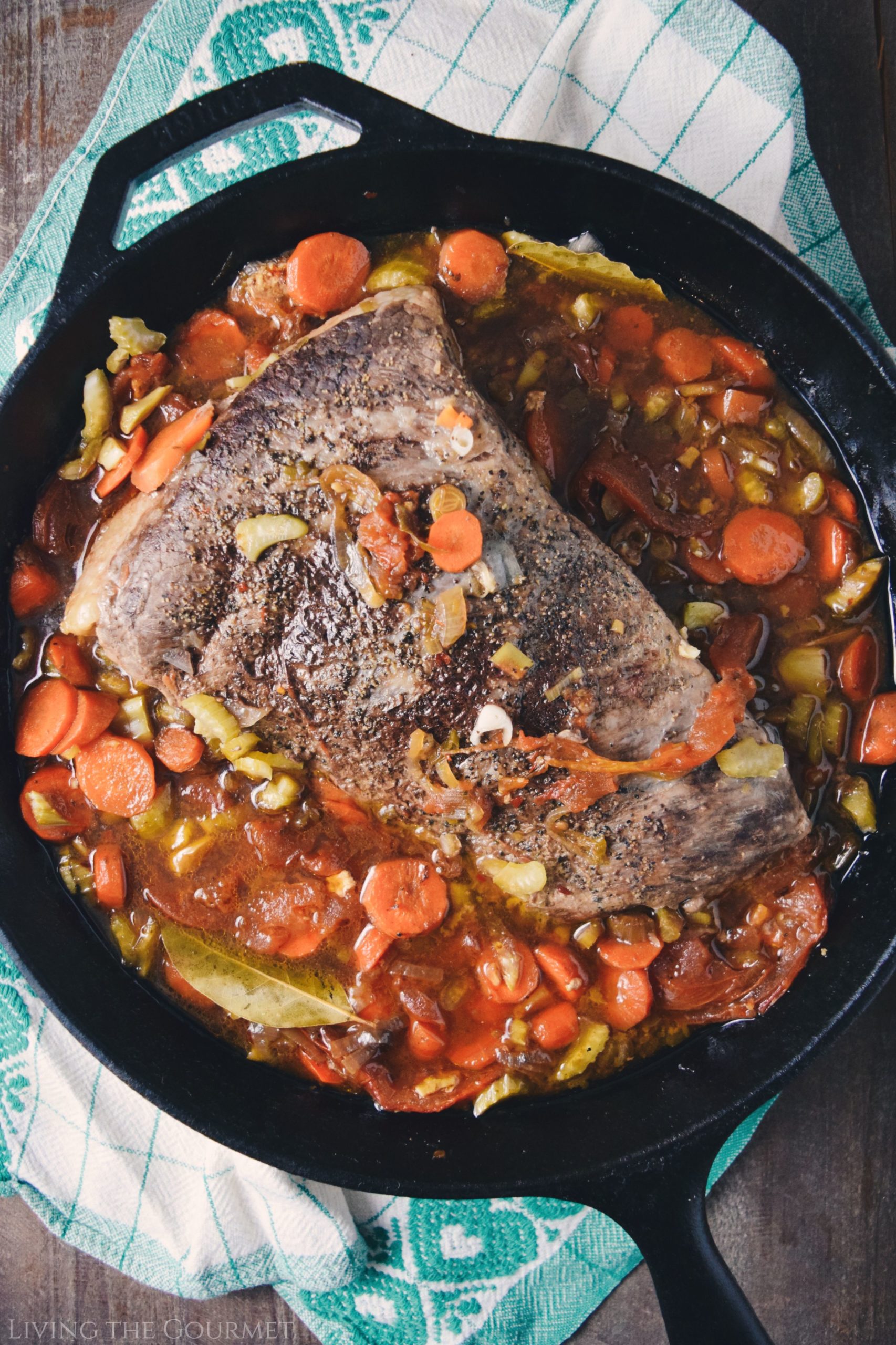
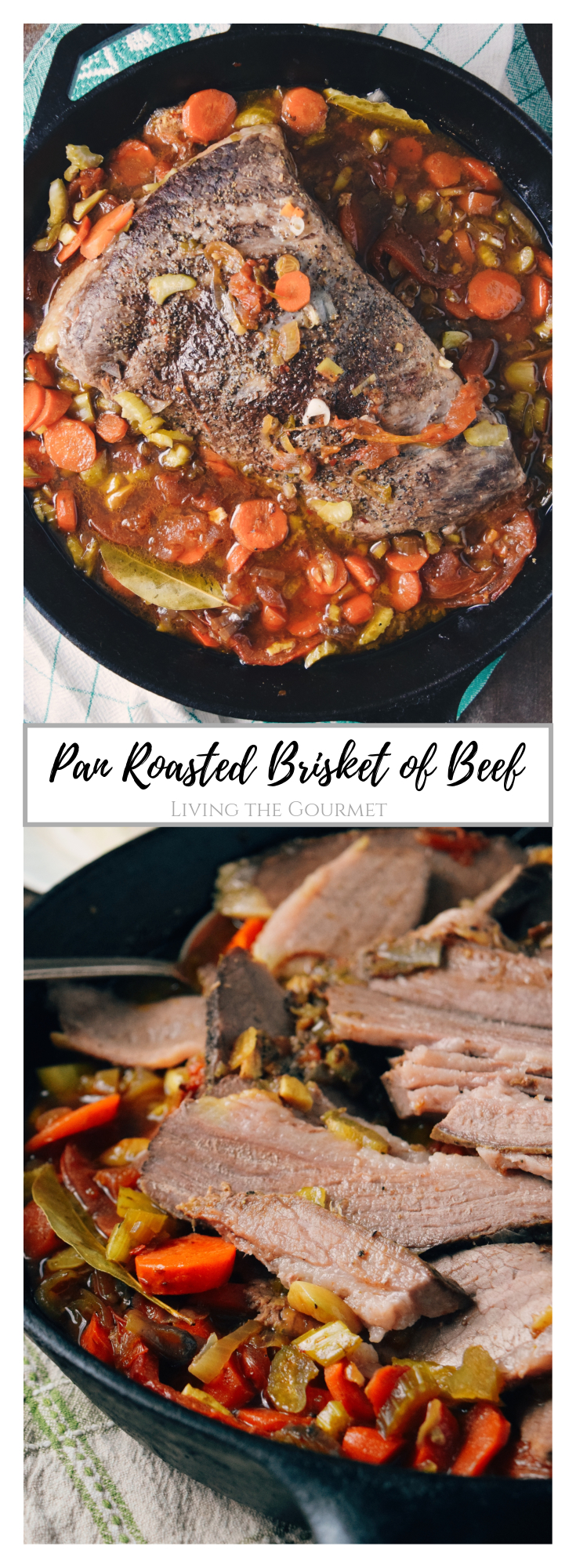
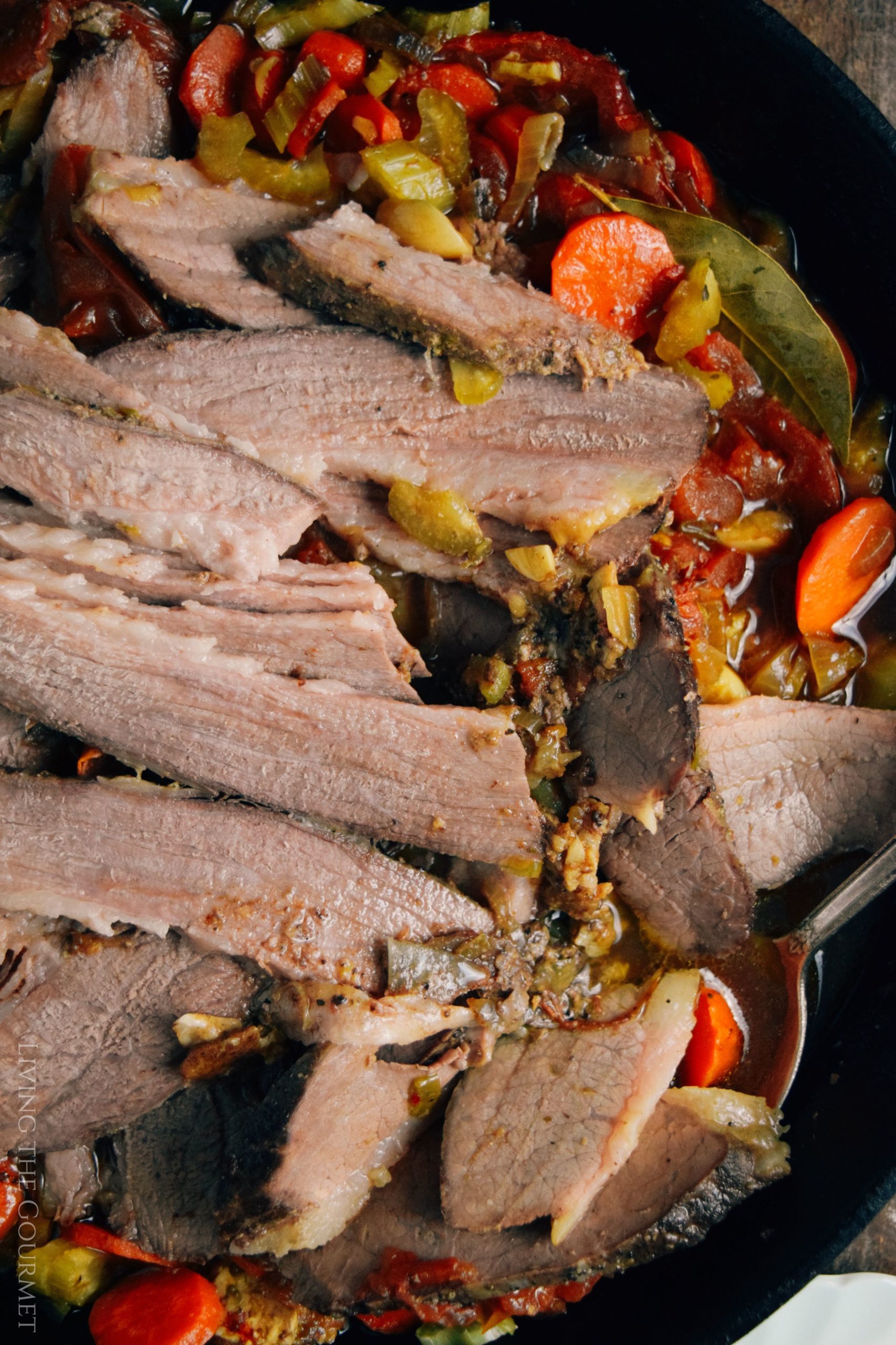
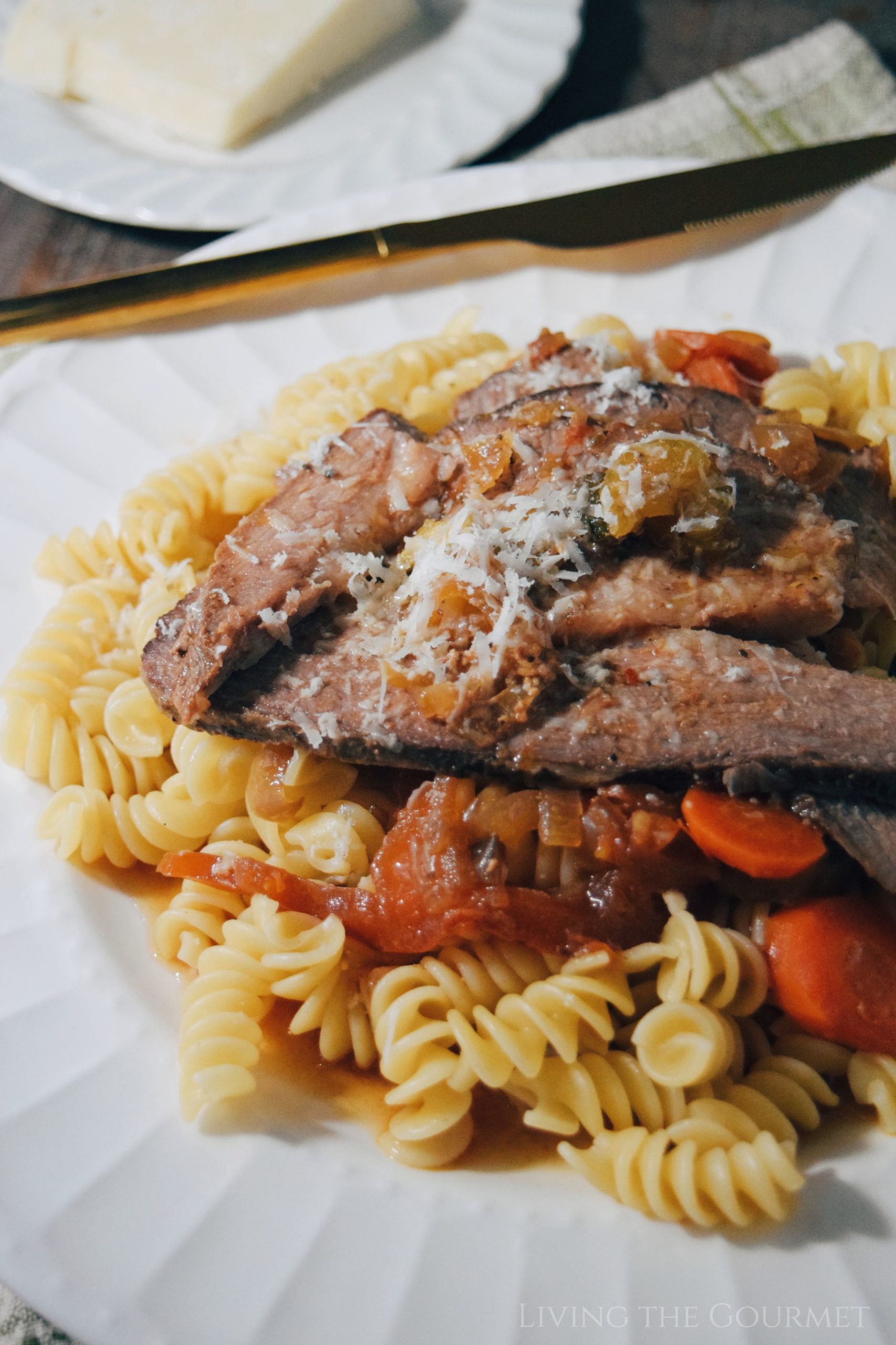
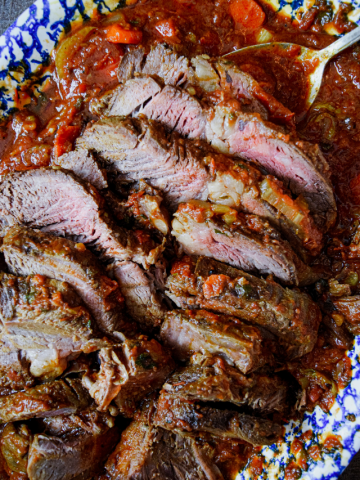
Today we're preparing pan roasted brisket, and we'll be doing so in a wine broth with carrots, onions, and capers. The end result is a moist and tender roast that's been infused with red wine and caper flavor. Served over noodles, this is a delicious and hardy one-pan meal.
Ingredient Notes and Tips
1) Capers. These are the flower buds of the Finders Rose or 'Caper Bush,' are an are fixture in numerous cuisines - especially those of the Mediterranean and Aegean. Despite these little rose buds being used as a flavoring agent, they are wildly unpalatable if eaten fresh or dried - being mouth-parchingly bitter. However, when pickled, brined, or preserved in salt, the bitterness fades away to a 'pleasant tanginess,' a flavor that's variously described as 'lemony,' 'anchovy-like,' 'salty,' and 'olive-like,' or some combination thereof. Since they are 'not' often (if ever) described as 'bitter,' this might lead one to the very understandable conclusion that their flavor doesn't actually come from the flower-bud itself, but rather from the packaging - that is, the brine or salt-packing. With all of that out of the way, since brisket is a very 'beefy' tasting cut of beef, it plays deliciously with the 'brine' or 'salt' flavor of capers. Thus, I wouldn't suggest leaving these out.
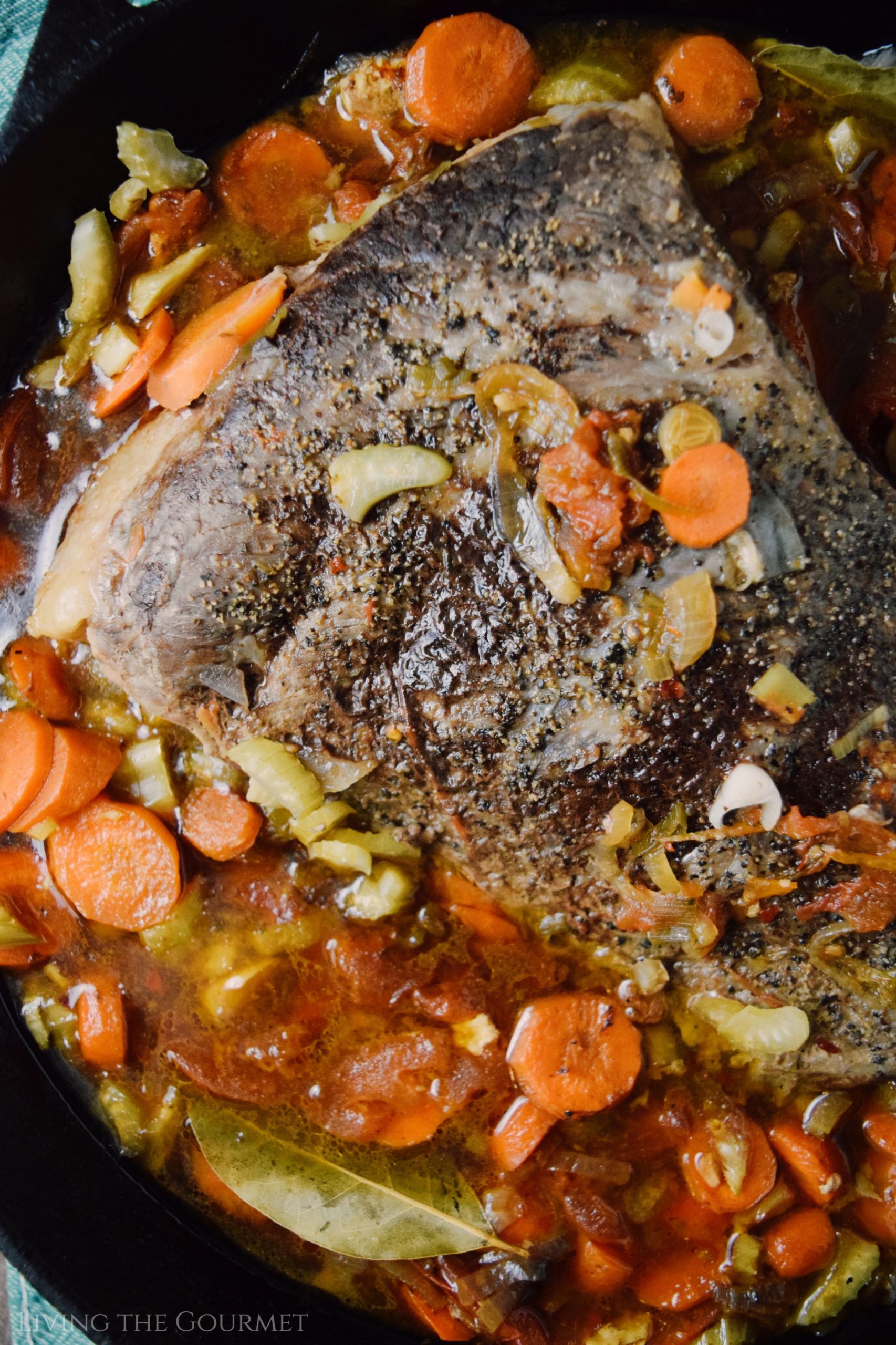
2) The Wine. Red wine and beef. It's a cliché as old as beef and wine itself. We're using red wine as a flavoring for the broth or 'stew' of today's brisket. Again, as with the capers, red wine simply plays deliciously into the 'beefy' flavor of today's brisket.
3) The Grating Cheese - Don't Fuss. The grating cheese is meant purely to add a bit of 'salty sharpness' as a finishing to the sauce. Locatelli, romano, or parmesan, all work just fine. If you don't have grating cheese on hand, the recipe still works.
Brisket - Pointers and Pitfalls, A Brief(ish) Primer
1) What is brisket? Brisket is a cut of meat taken from the breast area of the cow, located directly behind the front legs, just between the shank and the plate cuts, a little below the first five or so ribs. Coming from the cow's pectoral muscles, brisket is crisscrossed in collagen and connective tissue, which makes this cut of meat somewhat tough. Coming from a well-worked area of the cow, brisket is also a (comparatively) lean cut of meat - especially compared to chuck, which is often regarded as a counterpart to brisket, since the two cuts are used in much the same way.
2) Types of Brisket. While brisket can be bought whole, it is far more common for briskets to be cut in half, and divided between a "First cut," though typically sold under the name "Flat," and a "Second cut," sometimes dubbed "Pointcut." The flat is typically the leaner of the two cuts, and as such is less flavorful and a bit tougher. As such, the first cut is often used for slow roasting and smoking, while you'll recognize the second cut as the delicious meat that gets piled up on NY-style brisket sandwiches, though it also makes for great stews.
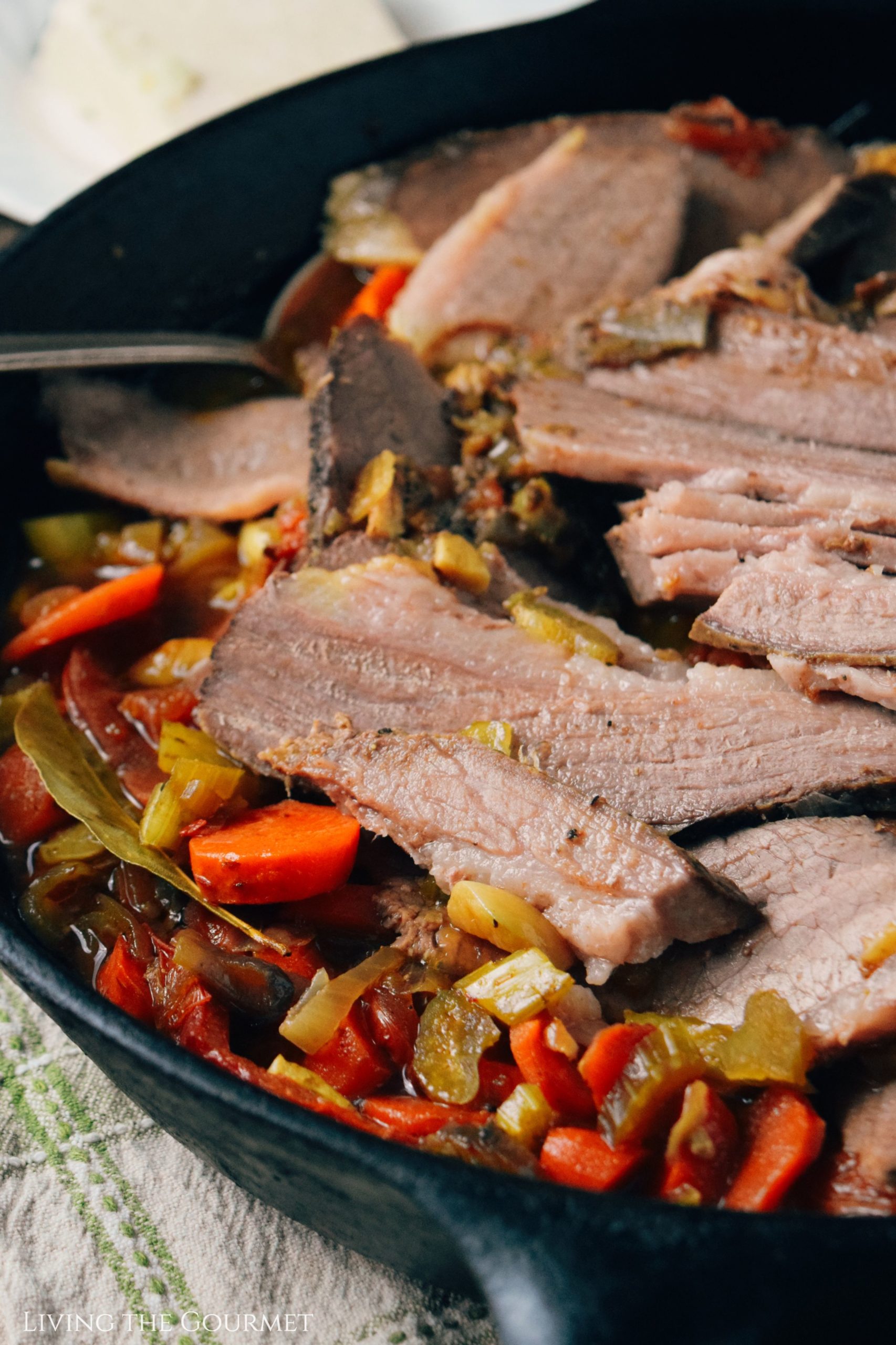
3) Preparing Brisket - Low and Slow is a Must. When cooking brisket, three things must be considered - that it is tough, low in fat, and full of connective tissues. As such, you want a cooking process that tenderizes the meat, that melts away as much of the connective tissue as possible, and that allows the meat to absorb as much flavor as possible ( to make up for the meat being low in fat - since fat is flavor). All of this means that low and slow is really the only way to prepare an enjoyable brisket, and that means slow roasting either on the bbq or in a pot, or simply popping it in the smoker.
5) Brown First, Roast Second. As a rule, you'll want to give the brisket a quick 'browning' in a cast iron pan just before delivering the roast into the pot or deep pan for roasting. This initial browning is where you can add in flavor to the meat, such as browning the meat in herbed butter, or rubbing down the roast with herbs beforehand. This browning process has the effect of sealing in the juices, and giving the outside of the meat a nice 'crisp' and touch of 'color' that it won't otherwise get during the pot or pan roasting process.
More Beef Favorites from Living the Gourmet
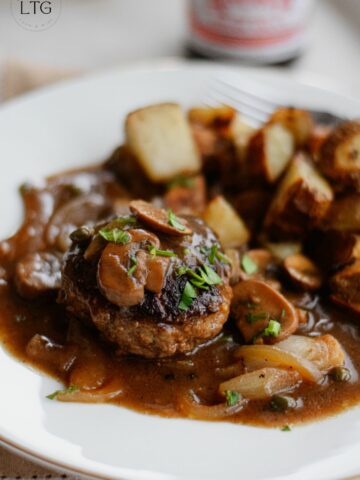
1) Curried Hamburgers. A flavorful twist on a familiar classic, these beef burgers are prepared with a mix of Jamaican curry, paprika, and coriander, and then finished a decadent balsamic glaze. Seriously, give these a try.
2) Classic Roast Beef. If you're in the mood for something familiar and warming, this classic roast beef fit's that bill perfectly. This is a recipe that just exudes 'Sunday Dinner.'
3) Ultimate Steak Platter. Teriyaki and garlic marinated steak, served with a side of warmed mixed greens and grilled potatoes. This is a recipe for a party.
Roast Brisket
- Total Time: 3 hours 15 minutes
- Yield: 4 1x
Ingredients
- 3 - 4 lb. beef brisket
- 2 tomatoes - diced
- 2 onion - sliced
- 5 - 6 cloves of garlic - crushed
- 1 tbs. capers
- 1 celery stalk - diced
- 2 carrots - chopped
- 3/4 cup wine
- 1 1/2 tsp. dried oregano
- 1 1/2 tsp. salt
- 1 tsp. black pepper
- 2 bay leaves
- 2 tbs. olive oil
- Fresh Parmesan or Romano cheese - for grating
Instructions
- Heat a large cast iron frying pan. Place the brisket in the dry pan to get a nice grill on each side.
- Place the meat fat side down in the pan after both sides are grilled.
- Add the chopped tomatoes, onions, garlic, celery and carrots around the meat.
- Add the seasonings and wine and drizzle with the olive oil.
- Place a pan on top of the frying pan to cover and simmer on a low heat for 2 to three hours.
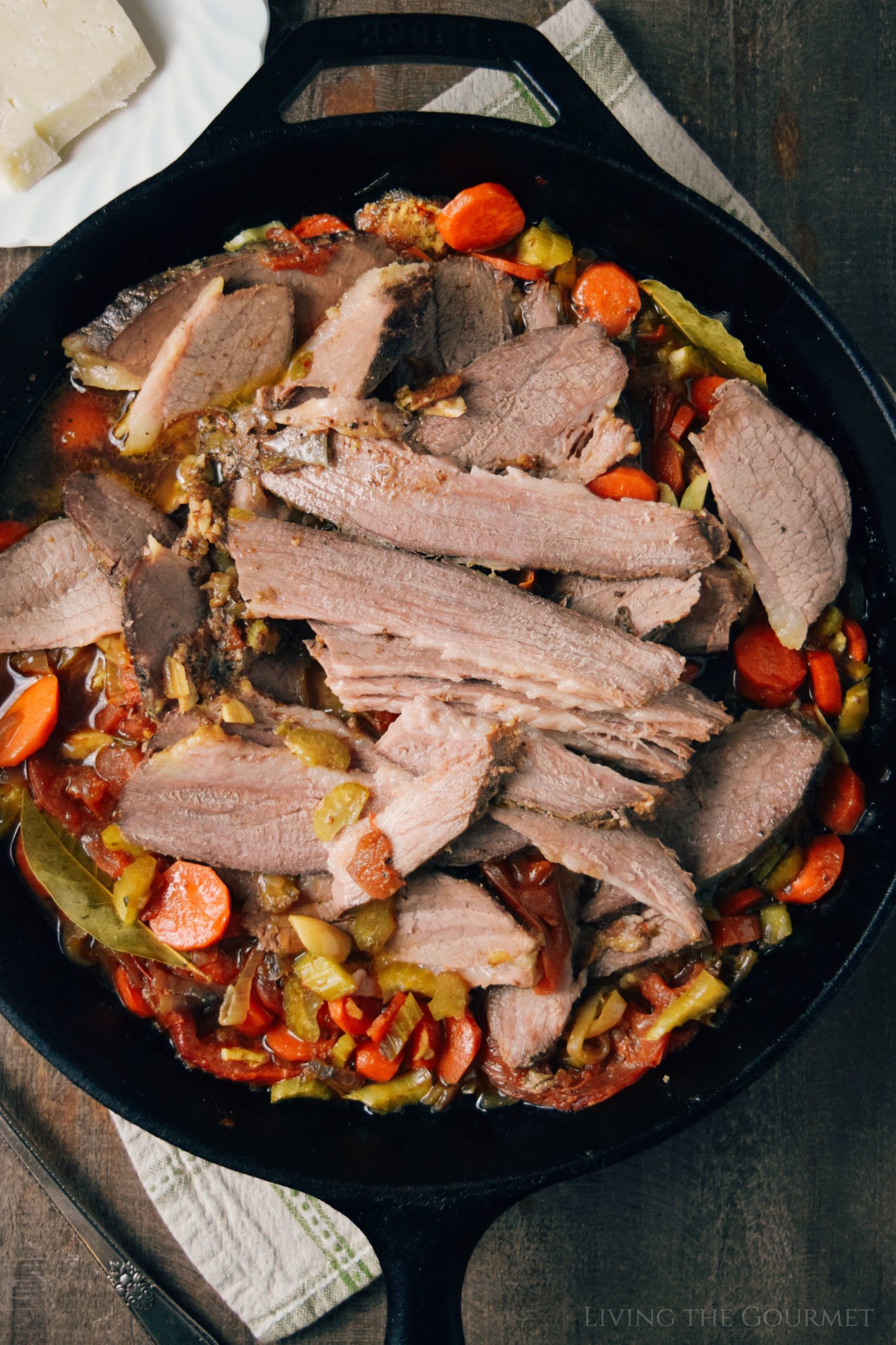
- Remove the meat from the pan and let rest for 10 – 15 minutes before slicing. Slice the meat opposite from the grain into thin slices.
- Return the meat to the pan and serve.
- This may be served with your favorite pasta and fresh grated Parmesan or Romano cheese.
- Prep Time: 15 minutes
- Cook Time: 3 hours
Nutrition
- Serving Size: 1


Monica Y says
This recipe looks delicious, I need to make this soon for my family, they love meat with it's own juice
Catherine Pappas says
Dear Luci, Wine does add such a nice full flavor to almost any sauce. I love cooking with wine. Thank you for visiting and taking the time to write. xo
Luci W. says
You had me at wine broth! It seems like the "secret ingredient" for any extra delicious savory dishes.
Living the Gourmet says
I think wine adds such a nice flavor too Beth. Thank you for visiting. xo
Lavanda Michelle says
This looks delicious, I really want to try making this. I'll attempt to make this for Valentine's day for my family, but it might not go well. Wish me luck and thanks for sharing!
Catherine Pappas says
Thank you for visiting. I hope that you enjoyed this for Valentine's Day if you gave the recipe a try. I have faith that it was just fine. xoxo