
Finding the right wine for spicy food is one of the trickier wine-pairing challenges, and one where the wrong choice can make both the meal and the wine worse. Indeed, a poorly matched wine can amplify the heat to an uncomfortable level, strip your palate of flavor, or clash so badly that both the food and the wine suffer. With that being said, the good news is that once you understand why certain wines work with spice, and others don't, the pairings become surprisingly consistent and predictable.
Jump to:
Quick Answer
The best wines for spicy food are off-dry (slightly sweet) white wines, such as Riesling and Gewürztraminer, and fruit-forward red wines such as Zinfandel and Grenache. The key factors in pairing wine to spicy food are finding wines with a small amount of residual sugar and low tannins, as these wines soothe heat rather than amplify it. Avoid dry, tannic reds and high-alcohol wines, which intensify spice. Sparkling wines and rosé are also reliable options for lighter spicy dishes.
Why Spice Changes Wine Pairing Rules
Capsaicin, the compound that makes food taste spicy, interacts with wine in specific and predictable ways. Here's the rundown.
- Alcohol Amplifies Heat: The higher the alcohol content, the more it will intensify the burn of spicy food. This is why a big Napa Cabernet with a spicy curry can feel almost painful together.
- Tannins Amplify Heat: Tannic wines, such as young Cabernet Sauvignon, Barolo, or Nebbiolo, magnify the perception of spice on the palate. Tannic red wine with spicy food is the single most common bad pairing.
- Sweetness Soothes Heat: If a wine has a small amount of residual sugar, then the wine will act as a buffer against the spice, cool the palate, and let the flavors of both the wine and the food come through. This is why off-dry Rieslings have become the classic pairing for Thai, Indian, and Sichuan cuisine.
- Fruit Soothes Heat: Fruit-forward wines, or jammy red wines (as opposed to tannic, structured red wines), provide similar relief to wines with residual sugar. The perceived sweetness of the fruit balances the burn. Simple.
Once you understand how and why wine interacts with spice, the pairings mostly follow in a predictable manner.
Best Wines for Spicy Food
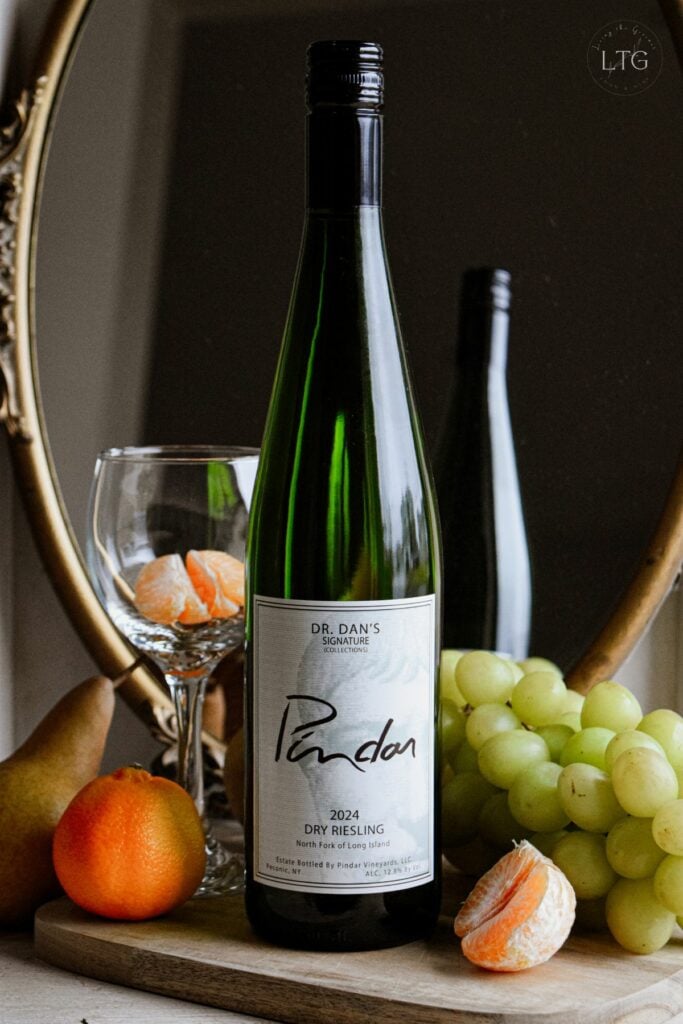
- Off-Dry Riesling: The single most reliable pairing for spicy food across cuisines. When in doubt, opt for an off-dry Riesling. Look for German Rieslings labeled "Kabinett" or "Spätlese." You can also look for specific "off-dry" bottles from Washington State or Australia. The high acidity refreshes the palate, while the light sweetness cools the heat.
- Gewürztraminer: Aromatic, slightly sweet, and lower in acid than Riesling. Gewürztraminer is particularly good with Indian and Southeast Asian cuisines. Its floral, lychee-like character complements spice rather than fighting it.
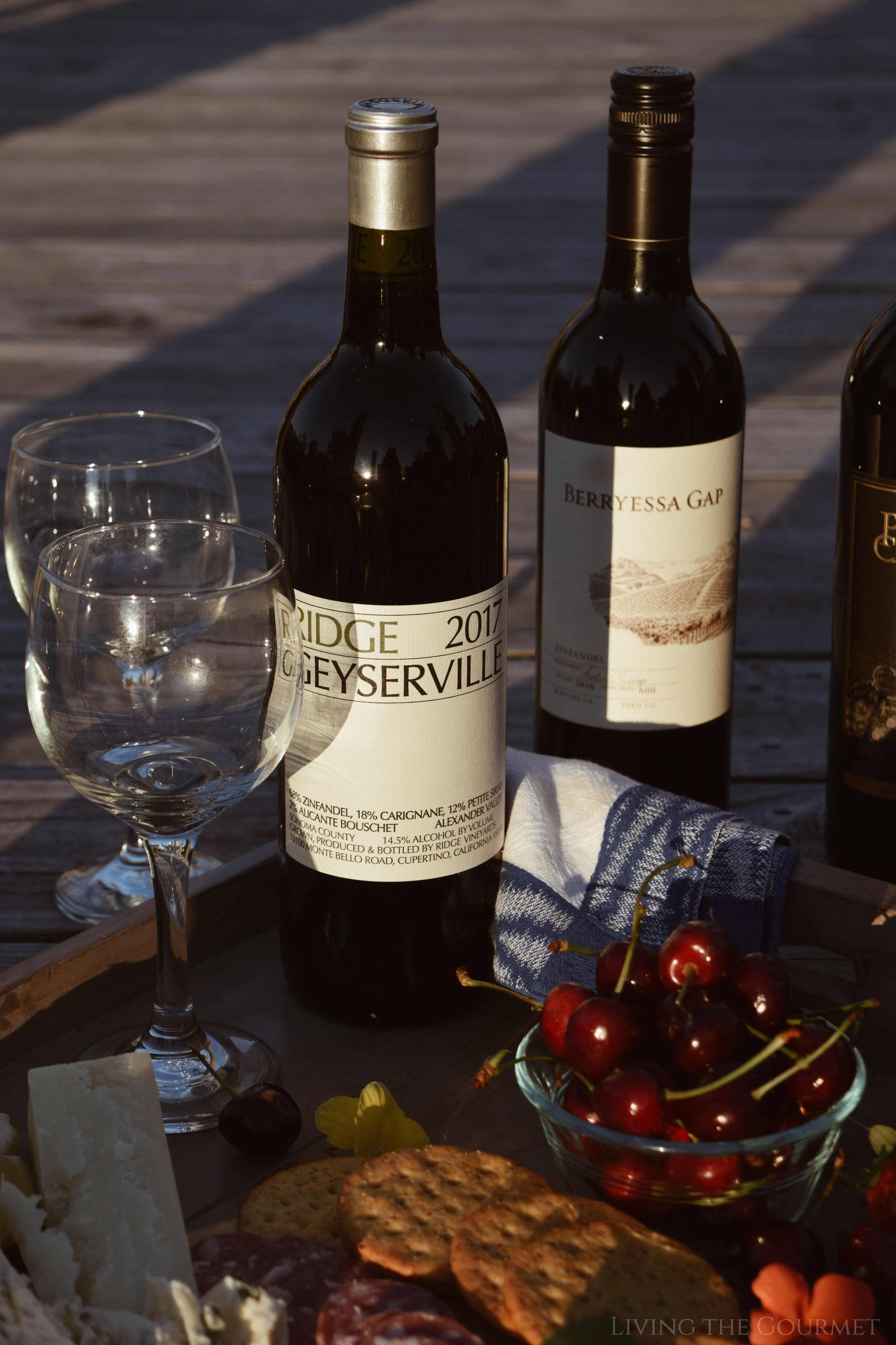
- Zinfandel: Fruit-forward, jammy, and merely moderately tannic, Zinfandel is the classic American pick for spicy food. Zinfandel works especially well with BBQ, Cajun cuisine, and spicy sausage dishes. I would opt for California Zinfandel from Sonoma or Lodi.
- Grenache (or Garnacha): This is a fruit-forward, low-tannin wine that often carries a touch of natural sweetness. Grenache-based red wines and blends, such as Cotes du Rhone, Spanish Garnacha, and some GSM blends, handle moderate spice beautifully.
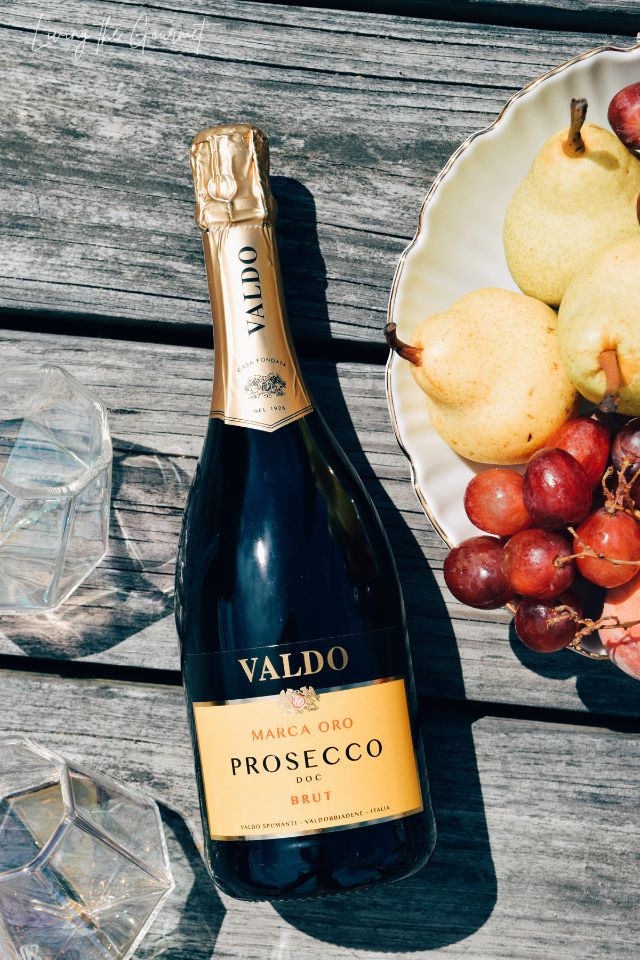
- Sparkling Wine: Cava, Champagne, and Prosécco all work well with spicy food, particularly with fried or fatty spicy dishes. The bubbles cleanse the palate and refresh between bites. Off-dry Prosécco or demi-sec Champagne is even better.
- Dry Rosé: An underrated choice for spicy food, in my opinion. Rosés from Provence, Spain, or the Pacific Northwest often have enough fruit and acidity to handle moderate heat without being overwhelmed. Rosé is also great with spicy Mediterranean or Latin American dishes.
- Lambrusco: Slightly sweet, lightly sparkling, low tannin, and low alcohol, Lambrusco is all but tailor-made for spicy pairings. It is, in my opinion, an underrated choice for spicy Italian sausage dishes or arrabiata pasta.
- Off-dry Chenin Blanc: French Vouvray in the off-dry or demi-sec style works beautifully with Thai and Vietnamese cuisines. Under-recommended in most pairing guides, in my opinion.
Pairings by Cuisine
Pairings for Indian Cuisine
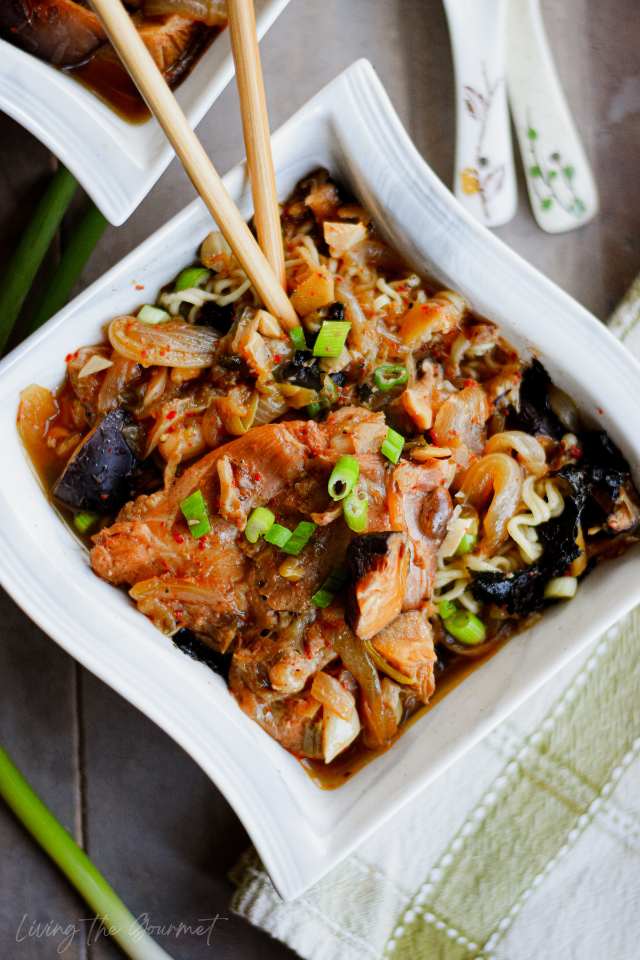
I would recommend off-dry Riesling, Gewürztraminer, or a fruit-forward Grenache. Avoid tannic red wines entirely, as they'll fight both the spice and the complex spice blends common in Indian cooking.
Pairings for Thai Cuisine
Off-dry Riesling is the classic pick, and would be my go-to. Sparkling wine also works well, particularly with fried or coconut-based dishes. Gewürztraminer handles the balance of spice, sweetness, and acid found in Thai cooking especially well.
Sichuan Cuisine Pairings
I'll say up front that the intense chili heat, numbing peppercorns (mala), copious garlic, ginger, and fermented bean paste that combine to make Sichuan delicious is a challenging combination for wine. That said, if you opt for a wine pairing, look for an off-dry Riesling or Gewürztraminer. Sparkling wine with some sweetness, such as an off-dry Prosécco can also work. Avoid any tannic wine or high-alcohol wine.
Pairings for Mexican Cuisine
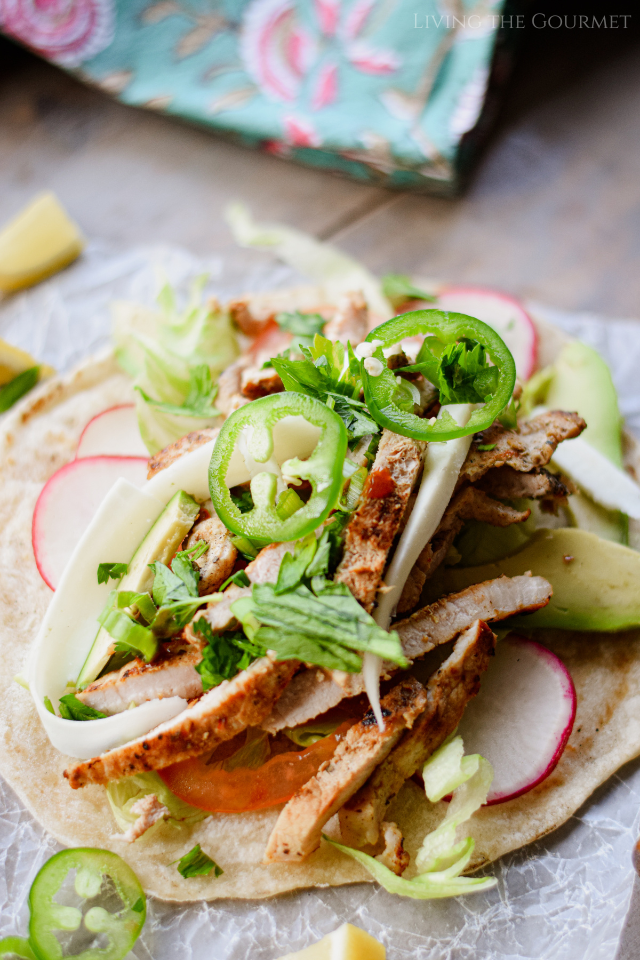
Depends entirely on the dish. For mild Mexican food, opt for a dry rosé, a decent Sauvignon Blanc, or Zinfandel. For spicier dishes, off-dry Riesling or a fruit-forward red wine such as Grenache are safer bets. Beer often pairs better with spicy Mexican food than does wine, in my opinion, so don't force a wine pairing when it doesn't fit.
Cajun and Creole Cuisine Pairings
Zinfandel is the classic American pairing, and is what I would recommend for either of these cuisines. Off-dry Riesling works well, particularly with lighter dishes. For gumbo and jambalaya, a fruity Grenache or a medium-bodied Rhône blend handles the pairing quite well.
Korean Cuisine Pairings
Off-dry Riesling for most dishes is the way to go. However, for grilled meats such as bulgogi or galbi, opt for a lighter red wine such as Pinot Noir or a fruit-forward Grenache. Avoid tannic reds with spicy Korean dishes.
Pairings for Vietnamese Cuisine
Vietnamese cuisine has a lighter, herb-forward character, and this calls for lighter wines. That means off-dry Riesling, dry rosé, or a light Pinot Noir.
Chinese Cuisine Pairings
Pairings vary enormously by region and by dish. For spicy dishes, you want off-dry Riesling and Gewürztraminer. Consider these the safe defaults when in doubt. Sparkling wine, in general, also works well across many Chinese dishes and cuisines.
Buffalo Wings and Spicy American Bar Food
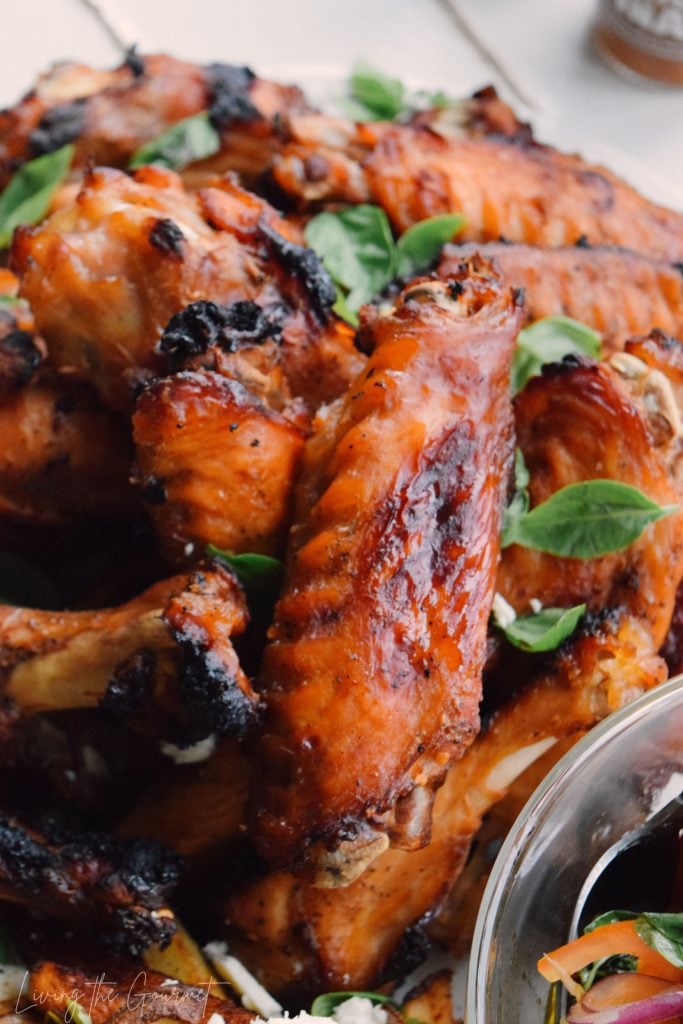
Zinfandel, off-dry Riesling, or simply a hoppy IPA. Honestly, this is one area where beer wins out over wine, in my opinion.
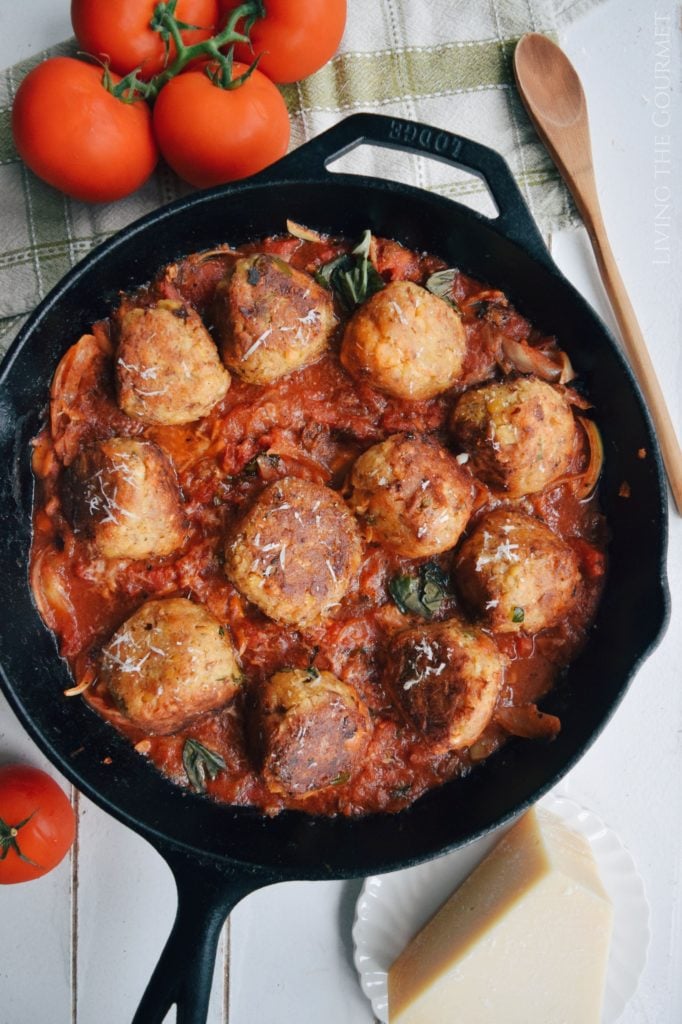
Pairings for Spicy Italian Dishes (Arrabiata, diavola, spicy sausage pasta)
Zinfandel, or a fruit-forward Sangiovese. Avoid tannic Chianti Riserva or Barolo with genuinely spicy Italian food.
What to Avoid
In all instances, there are wines to avoid with any spicy dish, regardless of the cuisine. With that in mind, here are the wines you should never pair with spicy food.
- Dry, tannic Red Wines: Young cabernet sauvignon, Barolo, Nebbiolo, Bordeaux, and other similarly structured red wines are the absolute worst pairings for spicy food. The tannins amplify the heat, and both the wine and food suffer.
- High-Alcohol Wines: Any wine over 14.5% ABV will make spicy food feel spicier, not less. Save the 15% Zinfandels and the Amarones for meals that don't already bring their own heat.
- Heavily Oaked Wines: That means big, buttery chardonnays or heavily oaked red wines. These tend to clash with spicy food. The oak flavors fight the spice in very unpleasant ways rather than complementing or soothing it.
- Very Dry Wines (with intensely spicy dishes): A completely dry wine, even a light one, offers no relief from the heat. A small amount of residual sugar is what actually cools the palate and helps to make for a decent wine pairing with spicy food.
The Sweetness Question
Dry wine is often associated with sophistication and with experienced wine consumption. This makes wine drinkers reluctant to reach for wines with residual sugar, or sweet wines in general, as such wines are often viewed as "beginner wines," "party wines," "cheap wines," or even as indicative of an "unsophisticated palate."
I'm not going to attempt to battle that perception here, nor am I going to pretend I'll be able to change anyone's mind. That said, spicy food is one area where you absolutely should set aside these biases. Off-dry wines are not dessert wines, nor are they beginner wines. They have just enough sweetness to balance food that would overwhelm a bone-dry pairing.
A Kabinett Riesling with Thai curry, or a demi-sec Champagne with spicy Sichuan, are among the most delicious wine pairings in existence. Yet, neither Thai curry nor spicy Sichuan works with a completely dry wine. Trust the pairing over your own reflexes.
Bottom Line
For spicy food, reach for wines with a touch of sweetness, low tannins, and moderate alcohol. That means off-dry Riesling, Gewürztraminer, Zinfandel, Grenache, sparkling wine, or rosé. Avoid tannic red wines and high-alcohol wines, which work to amplify rather than soothe or complement heat. When in doubt, reach for an off-dry Riesling, which handles almost any spicy cuisine gracefully. It's the closest thing to a universal spice-and-wine pairing.
And that's our answer to the question of what wine pairs with spicy food. If you enjoyed this article or have any questions or suggestions, be sure to let us know in the comments below; we always love hearing from you!
Cheers!
Leave a Comment