
This post has been sponsored by Raphael Wine. All opinions expressed are my own. The following message is intended for those 21+.
Petit Verdot is rarely the star of the Bordeaux blend. Traditionally, it plays a supporting role- used in small amounts to deepen color, strengthen tannins, and add another layer of structure to the finished wine. So what happens when a Long Island winery gives Petit Verdot the entire stage?
That is precisely what makes Raphael's Petit Verdot Reserve so interesting.
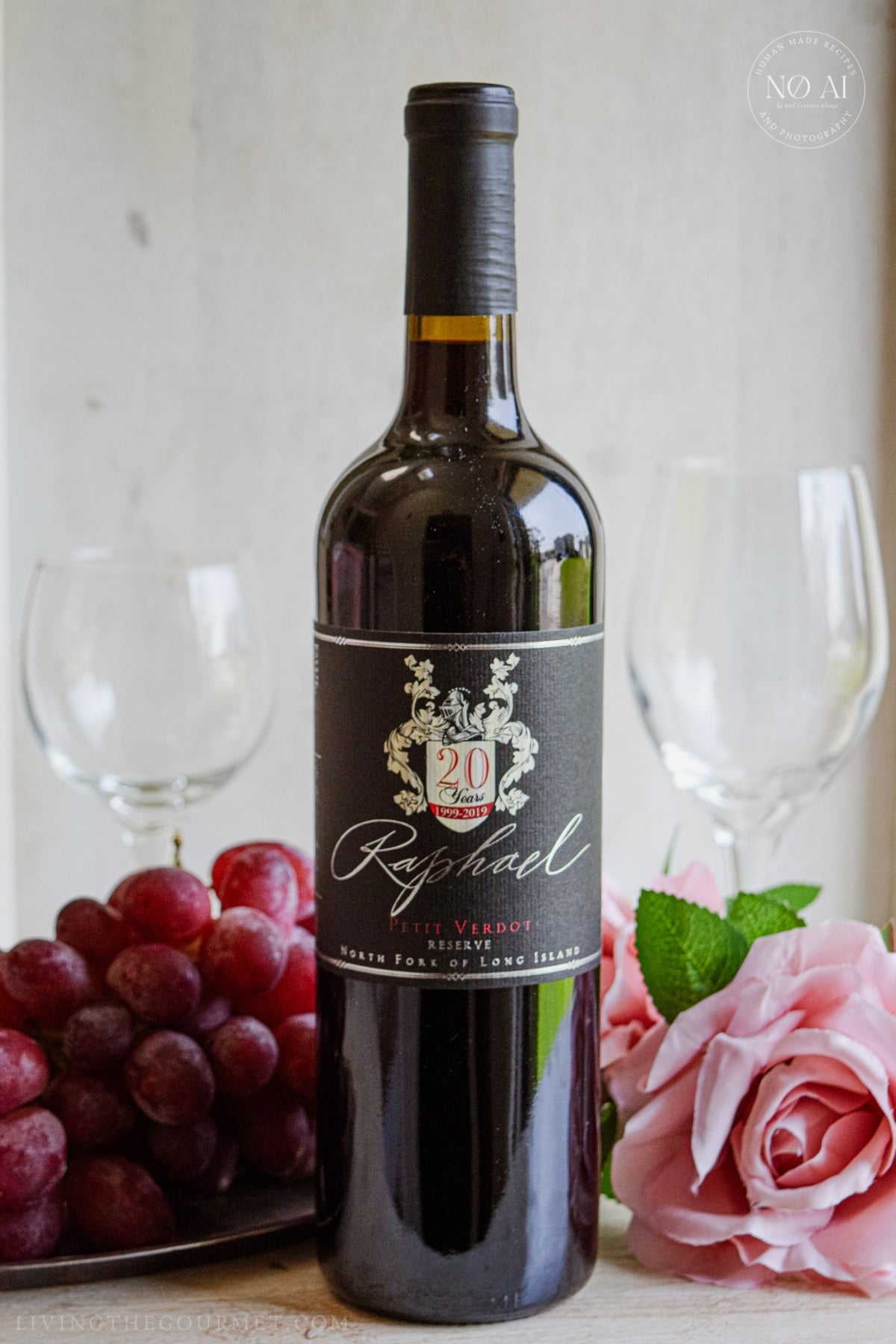
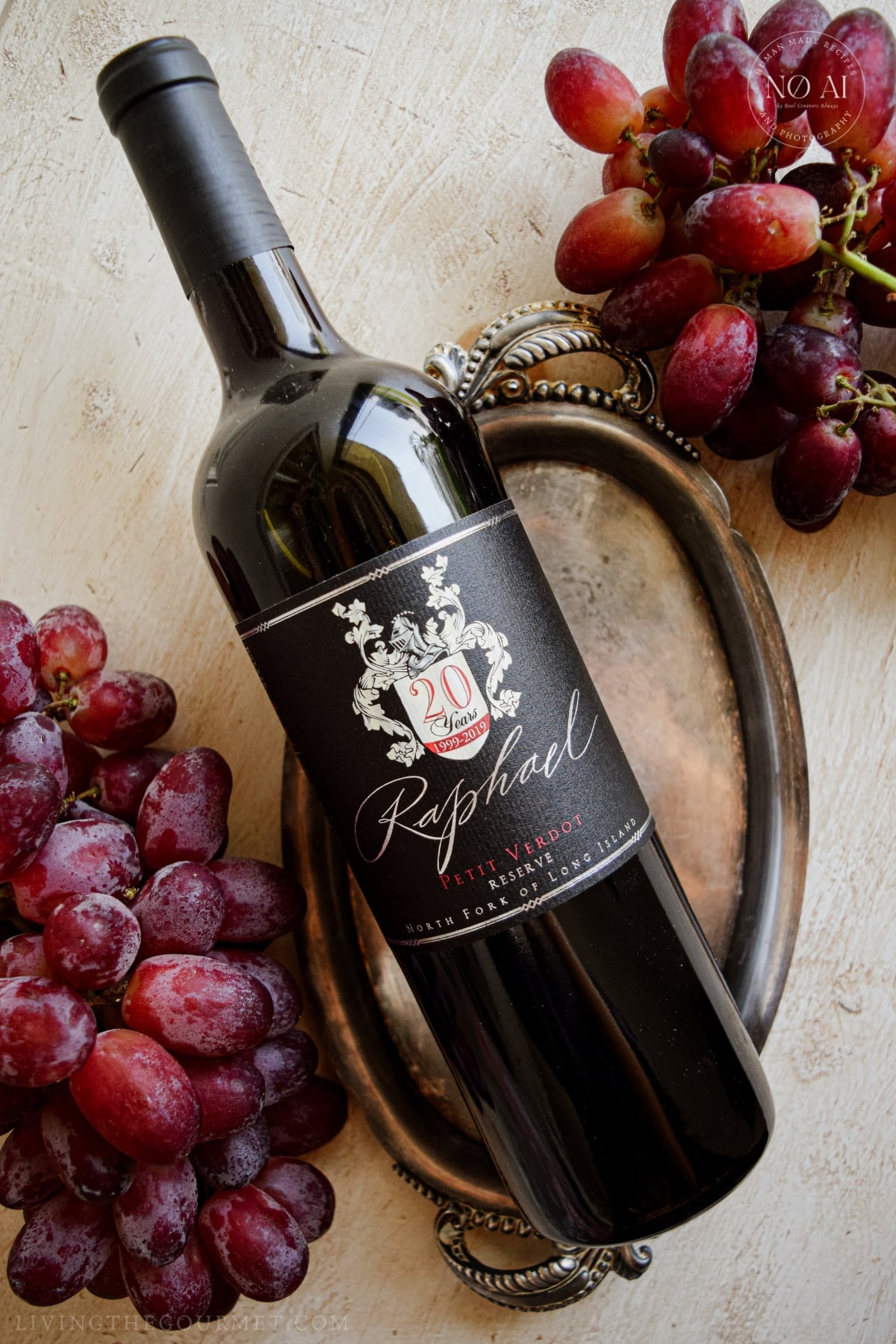
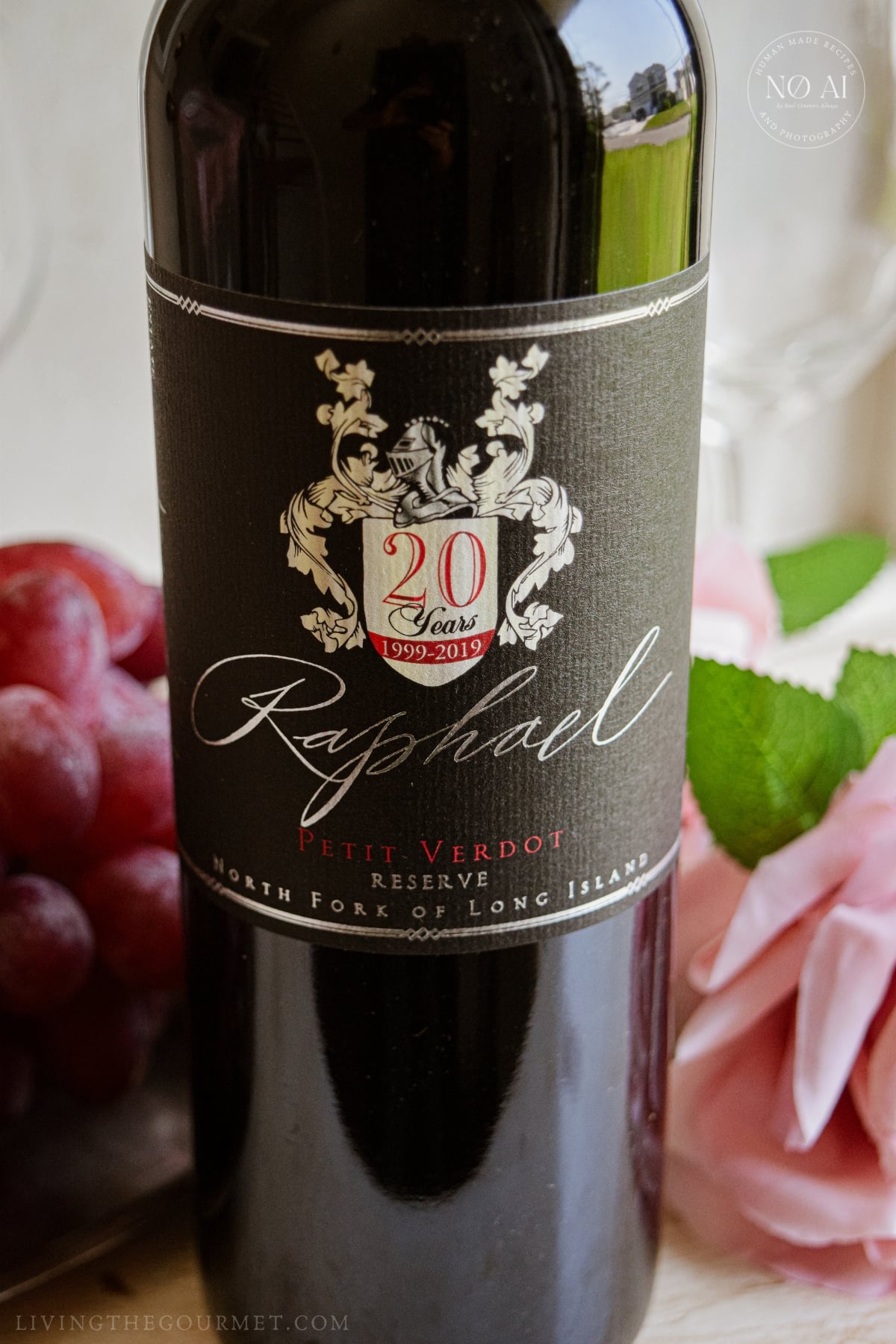
Today we're taking a look at Long Island's North Fork American Viticultural Area courtesy of Raphael Vineyard and Winery. We'll be sampling their Petit Verdot Reserve, which is crafted as an incredibly bold, deeply concentrated estate red wine. Interestingly, Petit Verdot is traditionally used in tiny percentages as a blending grape in Bordeaux-style wines to add color and tannins, which makes Raphael one of the few boutique North Fork wineries to regularly bottle it as a powerful, standalone reserve varietal.
Now, let's get tasting.
Jump to:
At a Glance
| Quick Facts | Wine |
|---|---|
| Winery | Raphael Vineyard & Winery |
| Wine | Petit Verdot Reserve |
| Grape | Petit Verdot Blend |
| Region | North Fork of Long Island, New York |
| Style | Full-bodied dry red |
| ABV | Approximately 13.4% |
| Price | Approximately $50–$55 |
| Best With | Ribeye, lamb, grilled meats, aged cheese |
| Our Rating | 93 points |
Aromatic and Tasting Notes
On pouring, the wine is very nearly opaque, with an ink-like purple core, and a vibrant magenta rim. This wine is highly concentrated and leaves heavy, slow-moving legs on the glass when swirled. Beautiful.
On the Nose
Dark and intensely aromatic. The wine opens with rich waves of blackberry jam, a bit of stewed plums, and copious dried blueberry notes. After letting it breathe, the wine's complexity intensifies with crushed cloves, cigar wrapper, and a mix of wet asphalt and a dusting of dark chocolate. Very, very pleasant. This is a wine whose bouquet simply begs to be lingered over.
On the Palate
The wine introduces itself with a plush, full-bodied weight, wherein the dominant flavors are dense and dark, with wild blackberries and rich cedar wood. Mid-palate, the Petit Verdot's signature brambly, muscular tannins announce themselves loudly, though the wine avoids feeling overly heavy or sweet courtesy of the North Fork's coastal climate. There's a surprising streak of tart black currant acidity that keeps the wine's massive structure agile and lively.
Finish
The wine signs off with a bold punch of black pepper, smoky oak spice, and a distinct, graphite-like minerality. The finish is incredibly dry, long, and tongue-coating.
Why Petit Verdot Is So Interesting on Long Island
Petit Verdot has a reputation for being a demanding grape.
In Bordeaux, it traditionally occupies a supporting role because it ripens later than many of the region's other classic varieties. When it does ripen properly, however, it can contribute intense color, tannin, dark fruit and spice- precisely the characteristics that can give a red blend additional backbone and longevity.
That makes Raphael's decision to bottle Petit Verdot as a reserve varietal particularly intriguing.
Here, Petit Verdot isn't being asked to play a supporting role. It is the entire performance.
And that brings us back to Long Island.
The North Fork is a maritime wine region, surrounded by the Long Island Sound to the north and Peconic Bay to the south. Those surrounding waters help moderate temperatures, reducing the extremes that can make viticulture difficult while contributing to a relatively long growing season.
For Petit Verdot, that matters.
The variety needs time to reach maturity, and Long Island's growing conditions offer an interesting environment in which to explore it as a standalone wine. The result, in Raphael's Reserve, is a wine that manages to be both massive in structure and surprisingly lively in acidity.
And that contrast is what makes this bottle worth paying attention to.
What to Serve with Petit Verdot

Herb Roasted Rack of Lamb
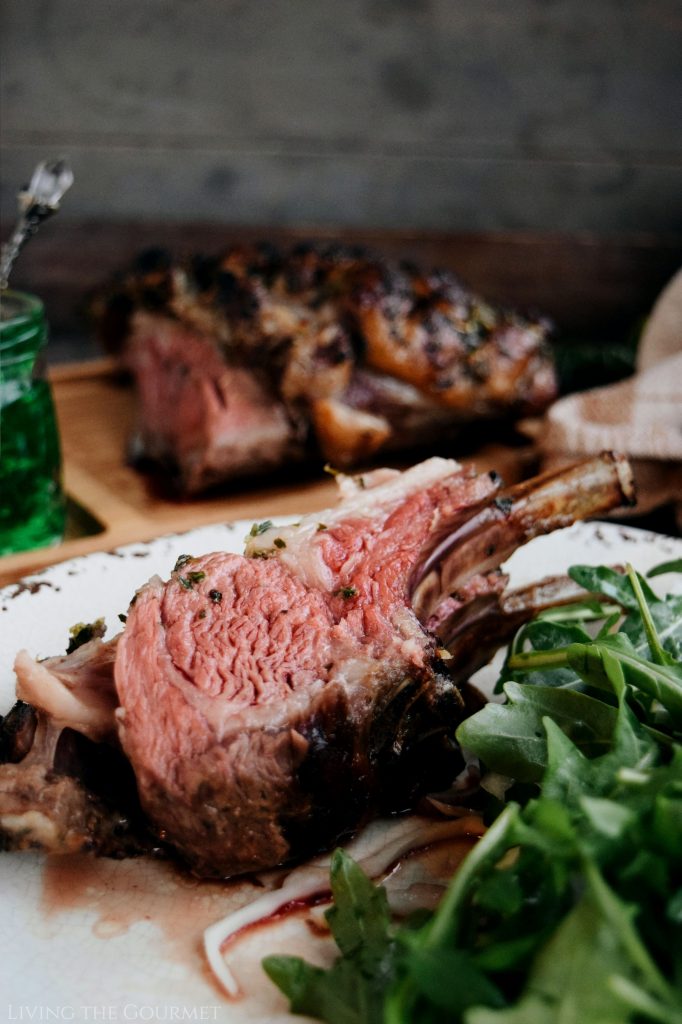
The lamb works here for a different reason than it does with Cabernet Franc. The richness of the meat gives the wine's substantial tannins something to grip, while rosemary, thyme, and garlic echo the savory and spicy character of the wine.
→ Get the recipe: Herb Roasted Rack of Lamb
Ribeye Steak with Garlic & Herbs
A thick-cut ribeye, grilled over high heat, provides enough richness and char to meet the Petit Verdot's formidable tannins. I'd keep the seasoning relatively simple - garlic, cracked black pepper, rosemary or thyme - allowing the wine's blackberry fruit, cedar and spice to become part of the dish rather than competing with it.
→ Get the recipe: Ribeye Steak with Garlic & Herbs
Aged Cheese
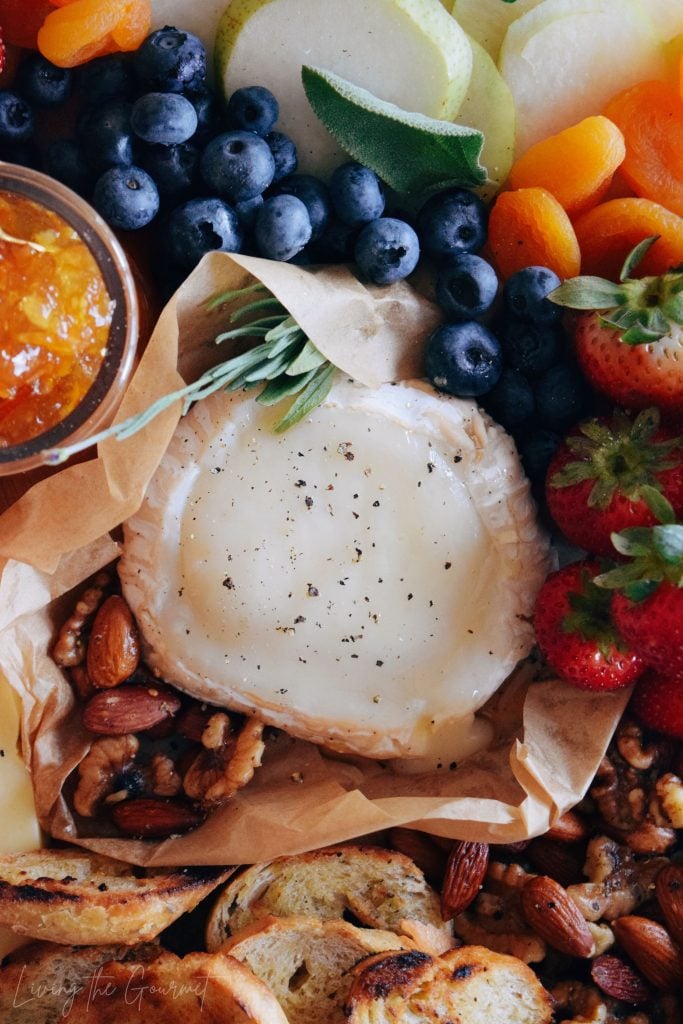
For a simpler pairing, reach for an aged, firm cheese. Sharp cheddar, smoked Gouda, and aged goat cheese can stand up to the wine's tannins and concentrated fruit without disappearing beneath it. I'd choose a cheese with enough salt and intensity to balance the wine's dry, structured finish.
→ Get the recipe: French Cheese Board
Who is this Wine For?
Those who love heavier, bolder red wines - such as Napa Valley Cabernet Sauvignon, Syrah, or bold Argentine Malbec - will fall in love at first sip with Raphael's Petit Verdot Reserve. Additionally, if you're a patience-driven collector or cellar builder, this wine can easily be kept for anywhere from five to fifteen years while developing beautifully.
In addition, if you're someone who chooses a wine by the food it pairs with, or are a serious carnivore who prefers wine alongside your plate, this wine was made for you. Home chefs, self-styled grill masters, and adventurous foodies who prefer intense wines with heavy, fatty, or savory culinary creations are the key demographic for this wine.
The Final Pour
And that's our review of Raphael's Petit Verdot Reserve from the North Fork of Long Island. If you enjoyed this review, or have any questions or suggestions, be sure to let us know in the comments below; we always enjoy hearing from you.
Cheers!
Leave a Comment