
Some apples are excellent for baking, while others are simply not. Some apples hold their shape excellently when baked in a pie, while many turn to mush before the crust has even had time to turn gold. Certain apples bring all of their apple flavor to the pie, while others become flat tasting when cooked. The key is knowing which apples are delicious when baked, and which are meant to be eaten fresh. This one fact point - using the right apples when baking - is the most foundational when it comes to making a truly delicious baked apple dessert.
Jump to:
Quick Answer
Firm, tart apple varieties are the absolute best for baking, particularly those that hold their shape and don't turn to mush when cooked. My top picks are Granny Smith, Braeburn, Honeycrisp, Pink Lady, Jonagold, and Cortland. For most baked goods, I would recommend mixing two or three apple varieties, one tart and firm for structure, one sweeter, and one softer (or one sweet and soft), for best results. Yes, this can be tedious, but it really does make a difference.
What Makes an Apple Good For Baking
There are three primary qualities that matter most. They are:
Firmness
An apple that you intend to bake should have enough structural integrity that it holds its shape as it cooks. This allows the apple to have some remnant 'crunch,' giving the baked good enhanced texture. Softer apples, such as McIntosh or Red Delicious, collapse into sauce when baked, which can ruin a pie.
Tartness
Apples lose some of their acidity as they bake and are softened by added sugar. Using tart apples helps to keep the finished product from tasting one-dimensional or overly sweet. This is why Granny Smith is considered 'the' apple for baking.
Flavor Concentration
Most apples taste great fresh, but many lose their taste when heated. Some apples, however, develop a deeper, somewhat more complex flavor as they bake. Obviously, the apples that taste better when cooked are the apples you want to bake with.
Best Apples by Dessert
Best Apples for Pie
I recommend Honeycrisp, Granny Smith, Braeburn, or Jonagold. Apple pies, including variations such as apple rhubarb pie, need apples that will hold their shape through baking, and that won't release so much juice that the filling turns to soup. Cortland is also worth a look as a great choice for pies, since it holds its shape well and resists browning. This advice holds true even for deeply decadent apple pies, such as my brandy caramel apple pie, where I used Granny Smith apples.
Pro Tip: An old trick is to combine two varieties of apples, one for tartness and structure, such as Granny Smith, and another, sweeter apple such as Honeycrisp or Jonagold for enhanced flavor.
Best Apples for Crisps and Crumbles
Braeburn is probably the most accepted go-to apple for crisps and crumbles, but Jonagold, Pink Lady, and Honeycrisp also work excellently in my experience. I personally used Honeycrisp to prepare this delicious apple crisp.
Pro Tip: For crisps, a mix of firmer and slightly softer apples creates a wonderfully textured dessert, as this allows for some crispness while also allowing some of the apple pieces to melt into the filling.
The Best Apples for Muffins and Apple Bread
In my personal experience, the most important quality for the apples used in muffins and bread is that they hold their shape through baking. That said, I recommend using Granny Smith, Braeburn, or Honeycrisp.
Apple-by-Apple Guide
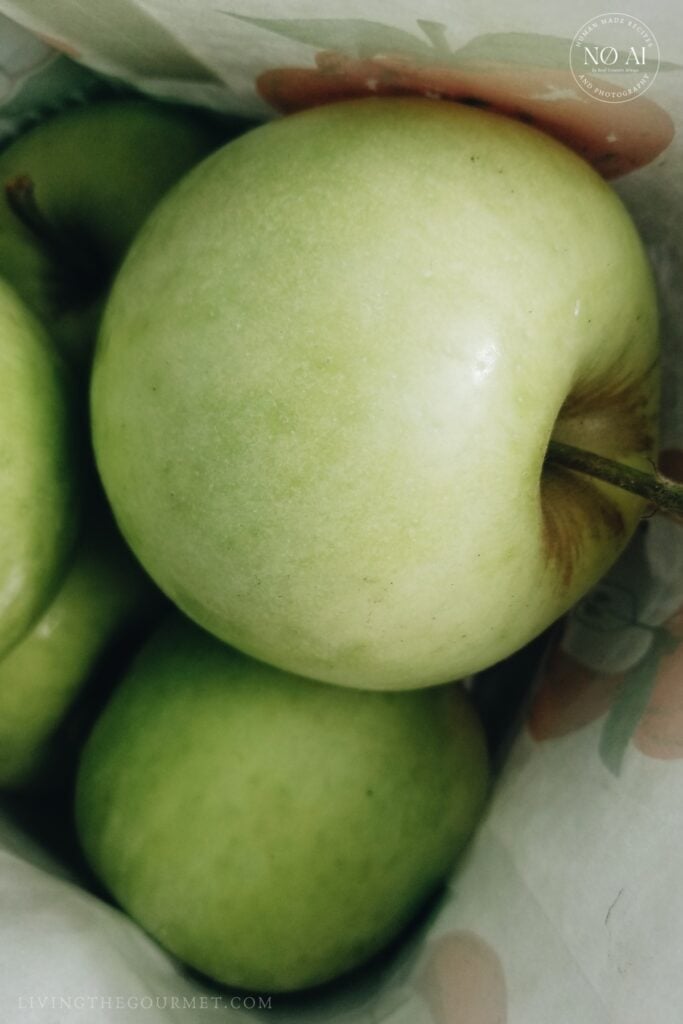
- Granny Smith: The workhorse of baking. Granny Smith apples are tart and firm, and hold their shape beautifully through baking, regardless of the recipe type, whether it's pies, crisps, breads, or muffins. That said, I do recommend mixing them with sweeter baking apples.
- Braeburn: Easily the most underrated apple type for baking. These apples are firm, with a nice balance of tartness and sweetness, which helps develop their flavor during baking. Braeburn are excellent both by themselves and in mixes.
- Jonagold: These apples were developed as a cross between Jonathan and Golden Delicious apples. As such, they are firm, sweet-yet-tart, and hold their shapes well through baking. These apples are especially good for crisps and pies.
- Cortland: Firm, tart, and resists browning better than many other varieties. These qualities make Cortland apples ideal for pies, where you don't want the filling becoming dark and burnt tasting due to browning, nor turning to mush because the apple failed to hold its shape through baking.
- Pink Lady: Firm and tart, with subtle sweetness. Pink Lady apples reliably hold their shape through baking. That said, these apples have somewhat fallen out of fashion in modern recipes, but are still great in crisps.
- Rome: A classic baking apple, Rome apples were especially favored in old school recipes and mid-20th century cookbooks. However, similar to Pink Lady apples, they have somewhat fallen out of style. Rome apples tend to be firm with mild tartness, and hold their shape excellently. Personally, I recommend using these for whole baked apples and pies where structure or texture is valued over fragrance or precise flavor.
- McIntosh: These apples are soft and delicate, making them good for applesauce but less than ideal for pies, muffins, or crisps, where they risk turning to mush.
- Golden Delicious: These are sweet apples with an unmistakably fresh flavor (hence the name). The tradeoff for that flavor, however, is a tendency to break down during baking. If baking with Golden Delicious, combine them with Granny Smith apples.
- Gala: Eat these fresh. They soften way too much during baking. They do work nicely in applesauce though.
- Fuji: As with Gala, I recommend eating these fresh. Don't waste Fuji apples by trying to bake with them.
- Red Delicious: Not for baking, not even in applesauce. Red Delicious apples are for eating fresh. When baked, they turn mealy and lose their flavor.
The Mixing Rule
The most useful trick for baking with apples isn't actually picking the 'perfect apple' - because the perfect apple does not exist for any recipe. Instead, it's mixing two or three different apple varieties, and learning to balance the pros and cons of each type of apple. A pie made entirely of Granny Smith will taste one-dimensional, and possibly tart depending on the other ingredients, whereas a pie made entirely of Honeycrisp will lack the acidic essences that give a good apple pie its complexity. Combining them, however- let's say two Granny Smith apples and a pair of Honeycrisp apples, and maybe one Braeburn for a nine-inch pie- gives layered flavor and textural balance that no single variety of apple can deliver on its own.
The Golden Apple Ratio: The classic balance is generally agreed to be two-thirds tart, firm apples (Cortland or Granny Smith), and one-third sweet apples such as Honeycrisp, Braeburn, or Jonagold.
What to Look For: Selecting Good Apples for Baking
- Firmness: Press in the area around the stem. This area in particular should feel solid, without any give or tenderness whatsoever. Then check the rest of the apple for any soft spots or browning, the presence of which means the apple is past its prime.
- Skin: Next, inspect the skin, which should be taut and unblemished. Apples with wrinkled skin or blemishes are signs that it has been either in storage or on the shelf for too long and has begun to leak moisture.
- Weight: An apple should feel heavy for its size. Apples that feel light often have less juice, and less juice often means less flavor.
- Smell: Apples should have a distinct 'apple smell' (shocking, I know). Apples that lack this distinct apple-like smell have likely been in storage for months (yes, months).
Bottom Line
For baking, you want firm, tart-sweet apples like Granny Smith, Braeburn, Honeycrisp, Cortland, or Jonagold. For best results, mix two or three types of apples together. Save softer apples like McIntosh for applesauce. Skip Red Delicious, Fuji, and Gala entirely, and instead eat them fresh. For the best baked apple desserts, choose the apple varieties you use carefully, rather than defaulting to whatever you happen to have on hand.
And that's our answer to what type of apples are best for baking. If you enjoyed this article, or have any questions or suggestions, be sure to let us know in the comments below. We always love hearing from you!
Happy Baking!
Leave a Comment