
Have you ever pulled a sheet pan from the oven and found perfectly cooked chicken sitting beside scorched broccoli? Or have you cooked a pan meal stovetop only to receive perfectly tender vegetables resting alongside undercooked meat? If so, you've run into the most common one-pan cooking problem there is. The good news is this: it's completely fixable once you know why it happens.
Quick Answer
Vegetables and proteins finish cooking at different times because they have different densities, different water content, and different ideal cooking temperatures. The fix is to stagger when you add different ingredients to the pan, to cut everything to sizes that complement cooking times, and group items by how long they take to cook. Add longer-cooking items first, then introduce quicker-cooking ones partway through. All of this applies to whether you're prepping your one-pan meal in the oven or on the stovetop in a skillet.
The Three Reasons It Happens
Different Densities
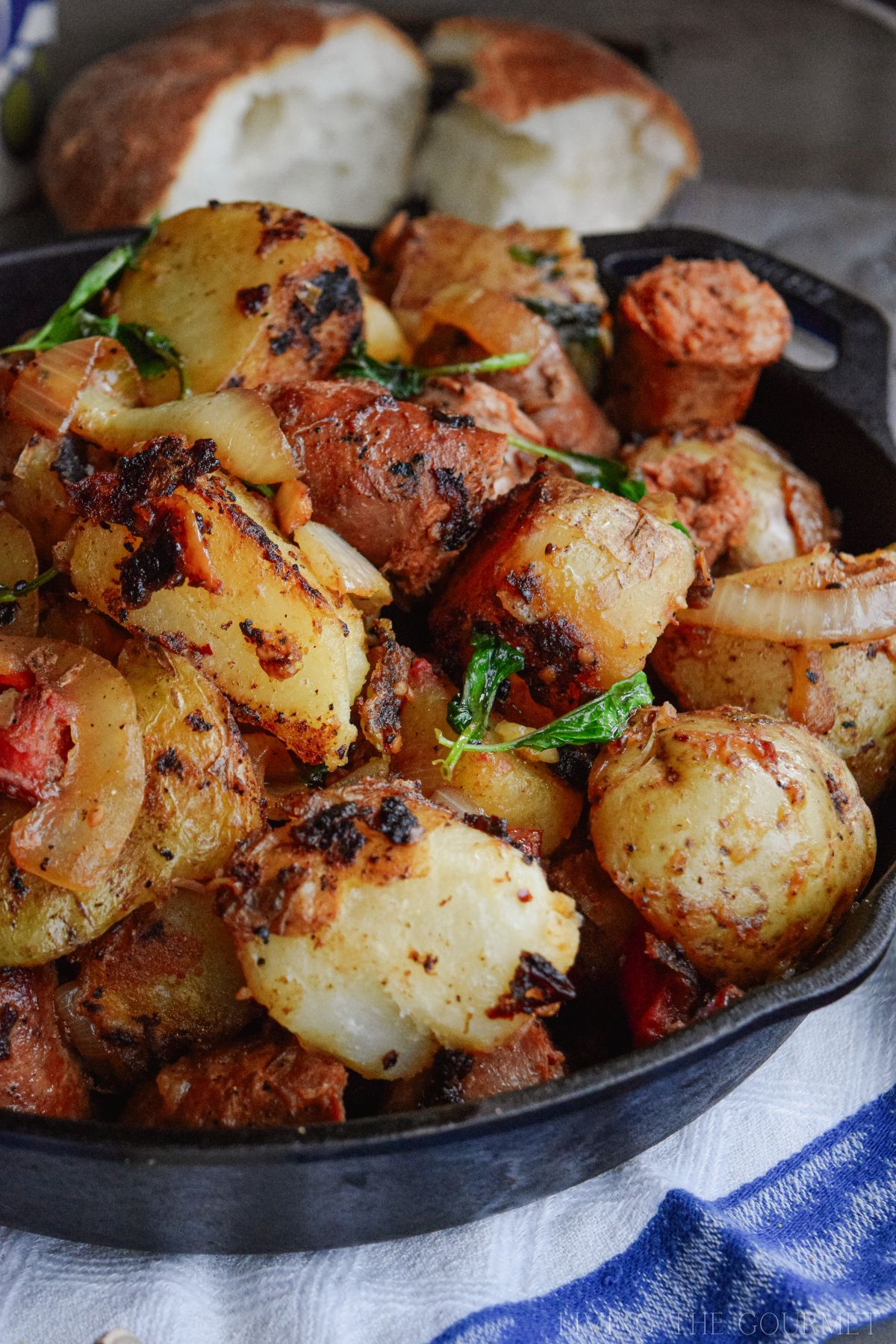
Potatoes are dense, as are carrots, and that means they'll take far longer to cook through than a relatively airy zucchini or a mostly hollow (except for juice and seeds) cherry tomato. As a result, putting a potato and a zucchini in the same pan to start cooking at the same time will result in a scorched zucchini. As such, be sure to check ideal cook times for your ingredients.
Different Water Content
High-moisture foods (tomatoes, zucchini, mushrooms) release water and cook quickly. By contrast, starchy, low-moisture vegetables (potatoes, squash, root vegetables) need more time and higher heat to soften and brown.
Different Target Temperatures
Chicken needs to reach 165° F, but most (almost all) vegetables are done once their fork tender or caramelized. In other words, almost all vegetables will be done long before the meat is.
How to Fix It
Stagger Your Ingredients
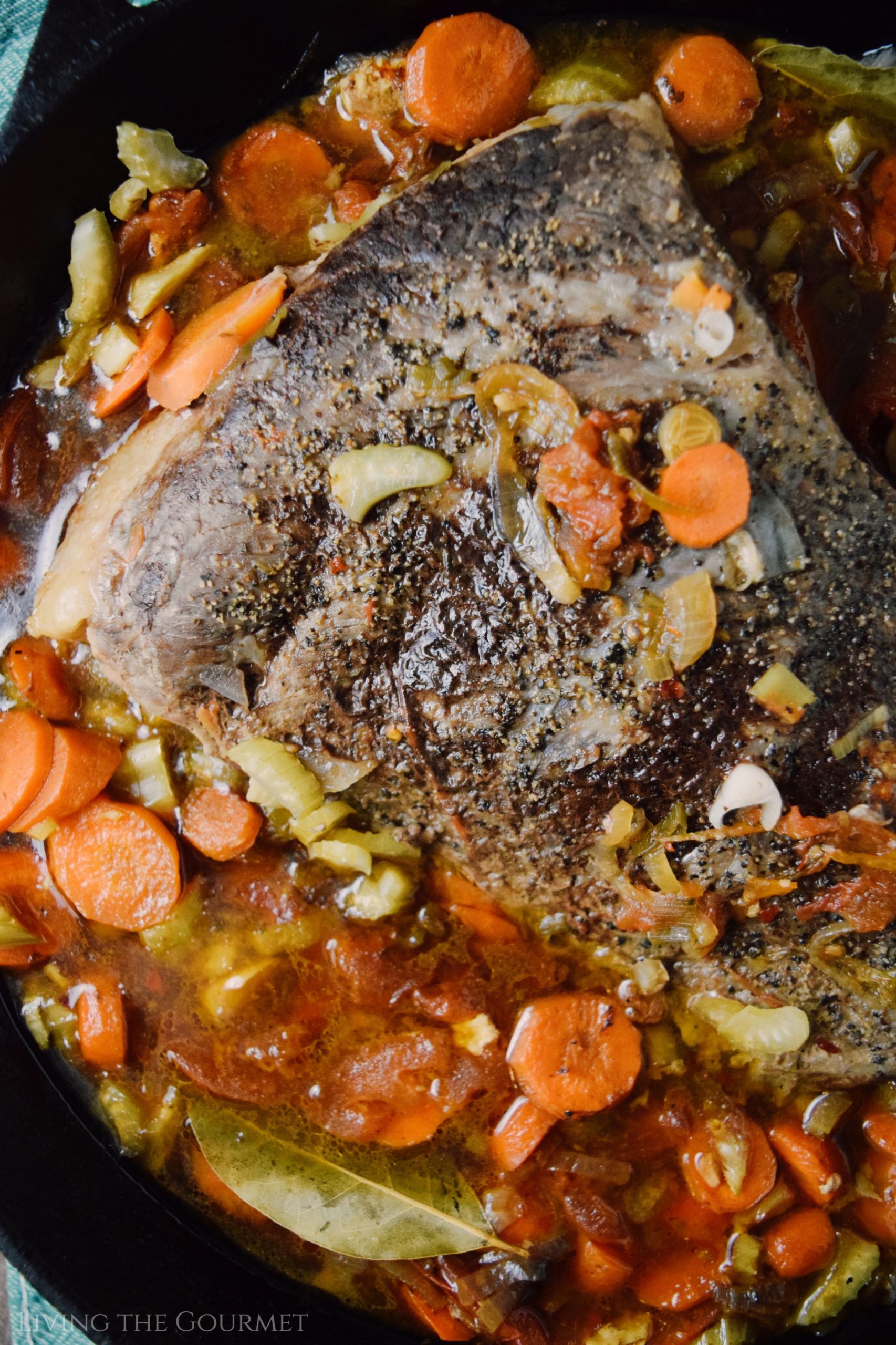
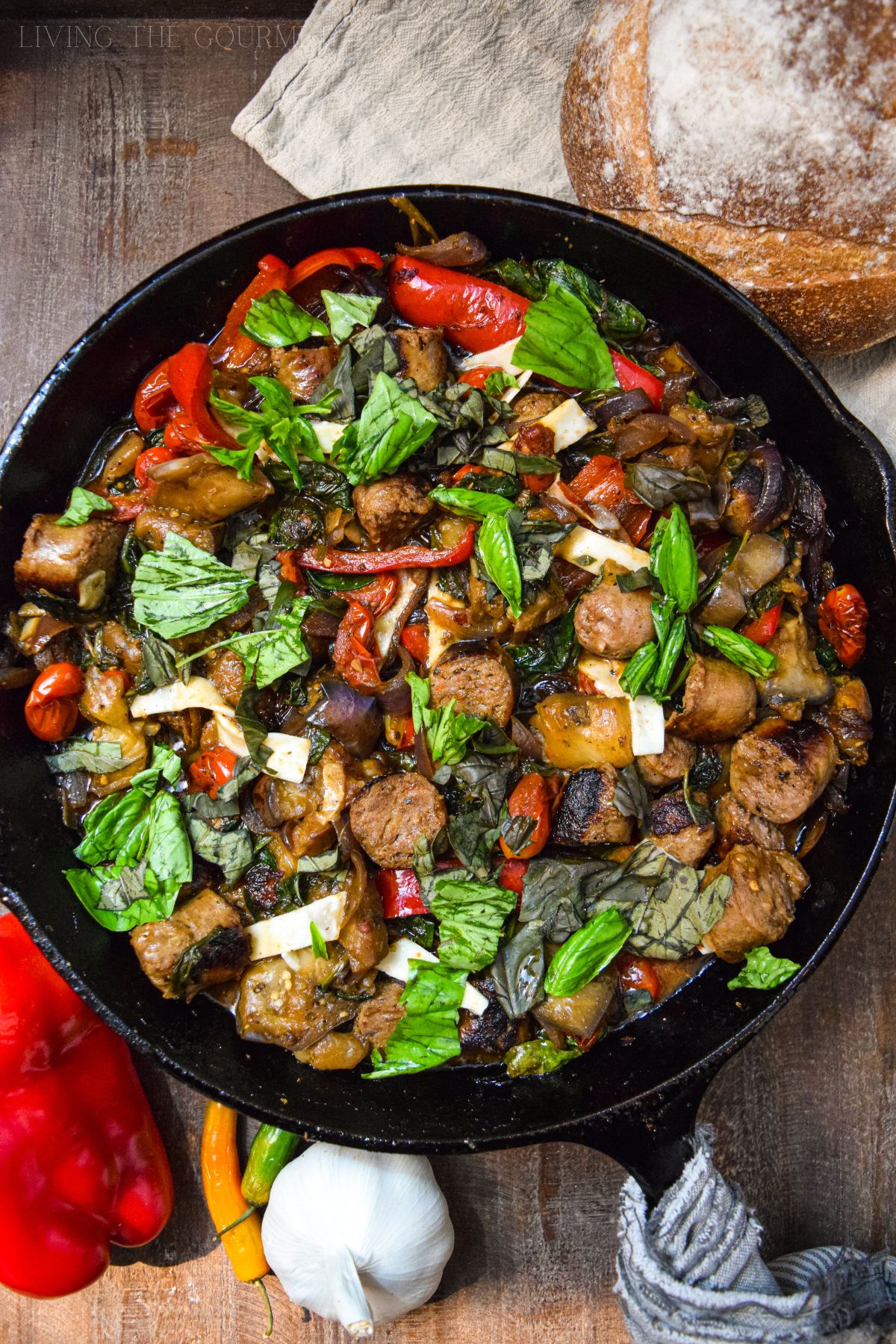
Start off with the longest-cooking items first. That means things like potatoes, carrots, and other root vegetables. Roast for about 10-20 minutes (depending on how large or small you've sliced them), and then add your proteins and quicker cooking vegetables for the remaining time so that everything finishes together. Basically, add in delicate, quick-cooking ingredients like tofu, tomatoes, or zucchini later in the cooking process. You can see this technique in action with our One Pan Sausage and Peppers recipe and in our Pan Roasted Brisket of Beef.
Cut For the Cook Time
Slice up slower-cooking vegetables smaller and quick-cooking vegetables larger to help even out the cook times. I wouldn't recommend slicing up proteins unless you're marinating them, as the juices will run, drying out the meat.
Group Strategically on the Pan
Group similar items together. This allows you to pull a finished section off the pan to let the rest keep cooking, or to shield finished items with foil. This tip applies only if you're oven-cooking.
Don't Crowd the Pan
Overcrowding traps steam. This makes everything cook unevenly and prevents browning. Give ingredients room to cook in a single layer. Steam is the enemy of one-sheet cooking.
Bottom Line
Basically, the trick is controlling when each ingredient starts cooking, rather than cooking everything all at once. Once you begin staggering your ingredients and matching your cut sizes and cooking times, your one-pan dinners will begin cooking evenly.
Carmen says
This is such a helpful guide for making one-pan meals actually work. Knowing how to time the meat and vegetables makes dinner easier, better cooked, and way less frustrating.
Catalina says
These tips were genuinely helpful. I adjusted my cooking order and everything finished at the same time for once!
Ben says
I really appreciate this. Sheet pan meals seem like they should be the easiest to make, but I always have trouble with them.
Terri says
Cutting for cook time is a GREAT tip. You can really help things along if you strategically adjust food thickness and size.
Beth says
Everyone needs to bookmark this one. Even people who've been cooking for a long time have trouble with this at times.