
Yes. You absolutely can make muffins without a traditional muffin pan, and sometimes that's exactly what you need when you're craving fresh-baked muffins but don't have the right equipment. Whether you're missing a muffin tin, want larger or smaller portions, or just want a less conventional presentation, there are a couple of great alternatives to traditional muffin tins that will produce delicious results.
Quick Answer
Yes, and there are several methods for doing so: ramekins or oven-safe bowls for individual portions, a regular baking dish for "muffin bread," or a cast-iron skillet for rustic portions. The key is providing the muffins with enough structure to rise and then set. Remember that you'll need to adjust the baking time based on the vessel size and depth.
Alternative Methods for Baking Muffins
Ramekins or Oven-Safe Bowls
Individual ramekins (4-6 oz capacity) work perfectly as muffin molds. To use them, grease generously with butter or use parchment paper liners. Fill them about ⅔ full with batter, and place on a baking sheet for easy handling. Baking time remains similar to standard muffins (20-25 minutes at 350°F), though larger ramekins may need 5-10 minutes longer. This method creates bakery-style oversized muffins. Oven-safe bowls, small Pyrex dishes, or really any ceramic container works equally well (such as oven-safe coffee mugs) - just make sure they're rated for oven use at (or above) 350 degrees F.
Paper Liners Alone (Doubled for Structure)
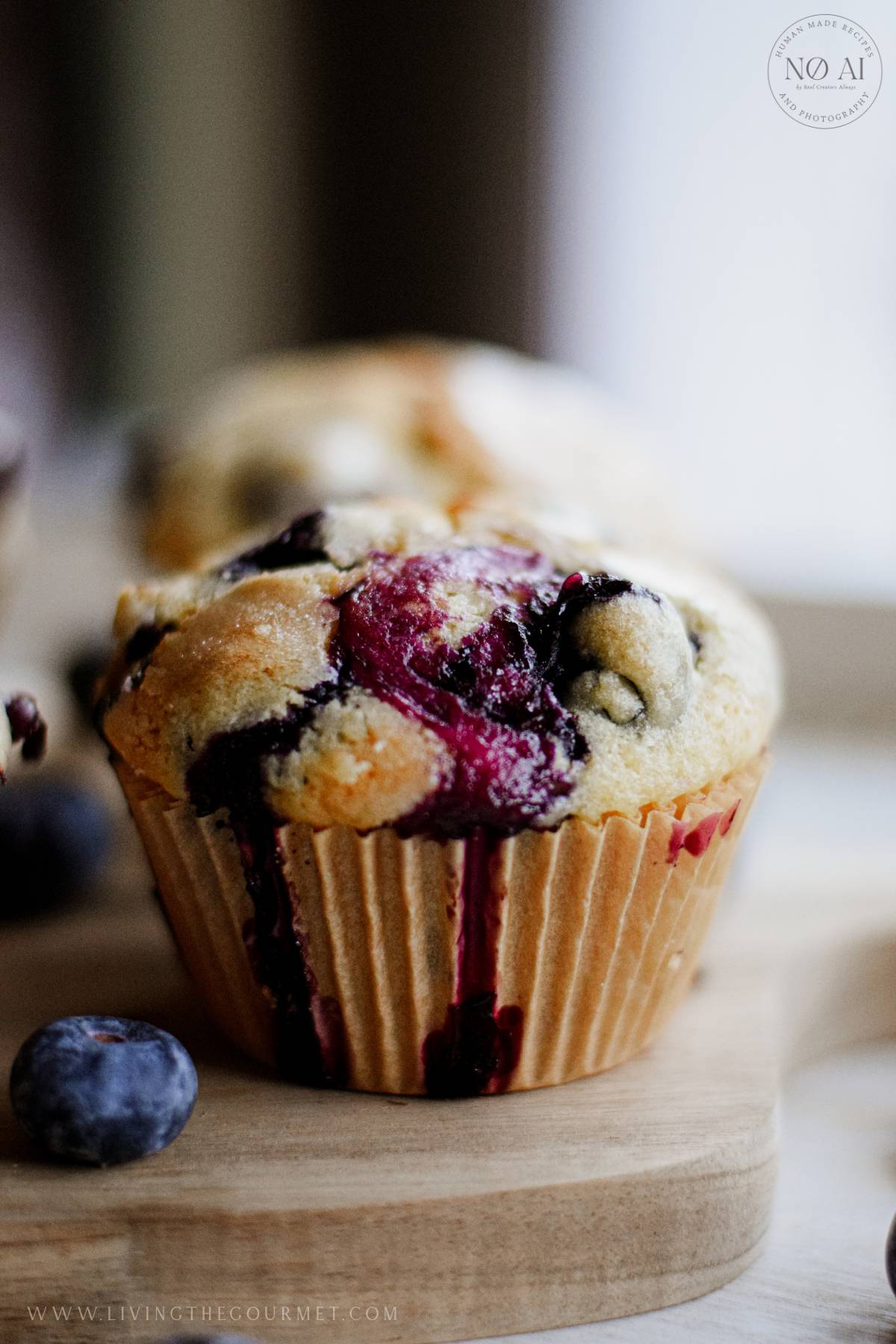
Sturdy paper muffin liners can stand on their own if you double or triple them for stability. I recommend placing the liners directly on a baking sheet, then filling with batter and baking. The liners should hold their shape during baking, though the muffins will spread slightly wider and have flatter tops than pan-baked. Use foil liners or thick parchment liners for best results. Only use sturdy liners, as thinner, flimsier liners will collapse under the batter's weight.
Baking Dish for Muffin Bread
Pour your muffin batter into a greased 8×8 or 9×9-inch baking dish to create what's basically a muffin bread - meaning all the flavor and texture of muffins in a sliceable loaf. This works beautifully for breakfast or snacking. Increase baking time to 30-40 minutes since the batter is deeper. Test for doneness with a toothpick in the center (should come out with moist crumbs). Let cool completely before slicing.
Cast-Iron Skillet for Rustic Muffin Portions
A cast-iron skillet (8-10 inch) will give you rustic, wedge-cut muffin portions. Grease the skillet well (or use parchment), pour in all the batter, and bake at 350°F for 25-35 minutes, depending on batter depth. The deeper the batter, the longer the bake time.
Tips for Success Without a Muffin Pan
Adjust Baking Times Based on Depth
Shallow vessels (like liners on a baking sheet) bake faster (15-20 minutes). Deep vessels (like ramekins or baking dishes) take longer (30-40 minutes). Start checking for doneness earlier than your recipe suggests, then add time as needed. The toothpick test is your best friend. Look for moist crumbs, not wet batter.
Grease Generously or Use Parchment
Use parchment. Even if you're using a non-stick muffin pan, use parchment. It makes clean-up so much easier. Without a non-stick muffin pan, proper greasing - or parchment - is even more important. For muffins, butter works better than oil. Ramekins and bowls especially need generous greasing since their smooth surfaces will grip baked goods stubbornly. Alternatively, line with parchment paper for a foolproof release.
Use a Baking Sheet Underneath
Whatever method you choose, I strongly recommend placing your vessels on a rimmed baking sheet. This makes handling easier (you can move multiple ramekins at once), catches any overflow, and provides more even heat distribution.
Fill Carefully to Prevent Overflow
Without muffin cups, it's easy to overfill and create overflow or uneven baking. Fill your vessels only ⅔ to ¾ full, leaving room for rise. This is especially important for paper liners on a baking sheet, which have no walls to contain batter if you overfill.
Tailor to the Portion Size
When deciding whether to use ramekins, a skillet, or a loaf pan, make your choice based on the portion: ramekins for oversized bakery-style muffins, a baking dish for muffin bread, or a skillet for rustic wedges.
Bottom Line
You don't need a muffin pan to make delicious muffins-ramekins, doubled paper liners, mason jar lids, baking dishes, or even a skillet all work with minor adjustments to baking time and presentation. The key is providing structure (through sturdy liners or containers), generous greasing for easy release, and adjusting your expectations for shape and texture. These muffins might not look like traditional pan-baked muffins, but they'll taste just as good.
Leave a Comment