
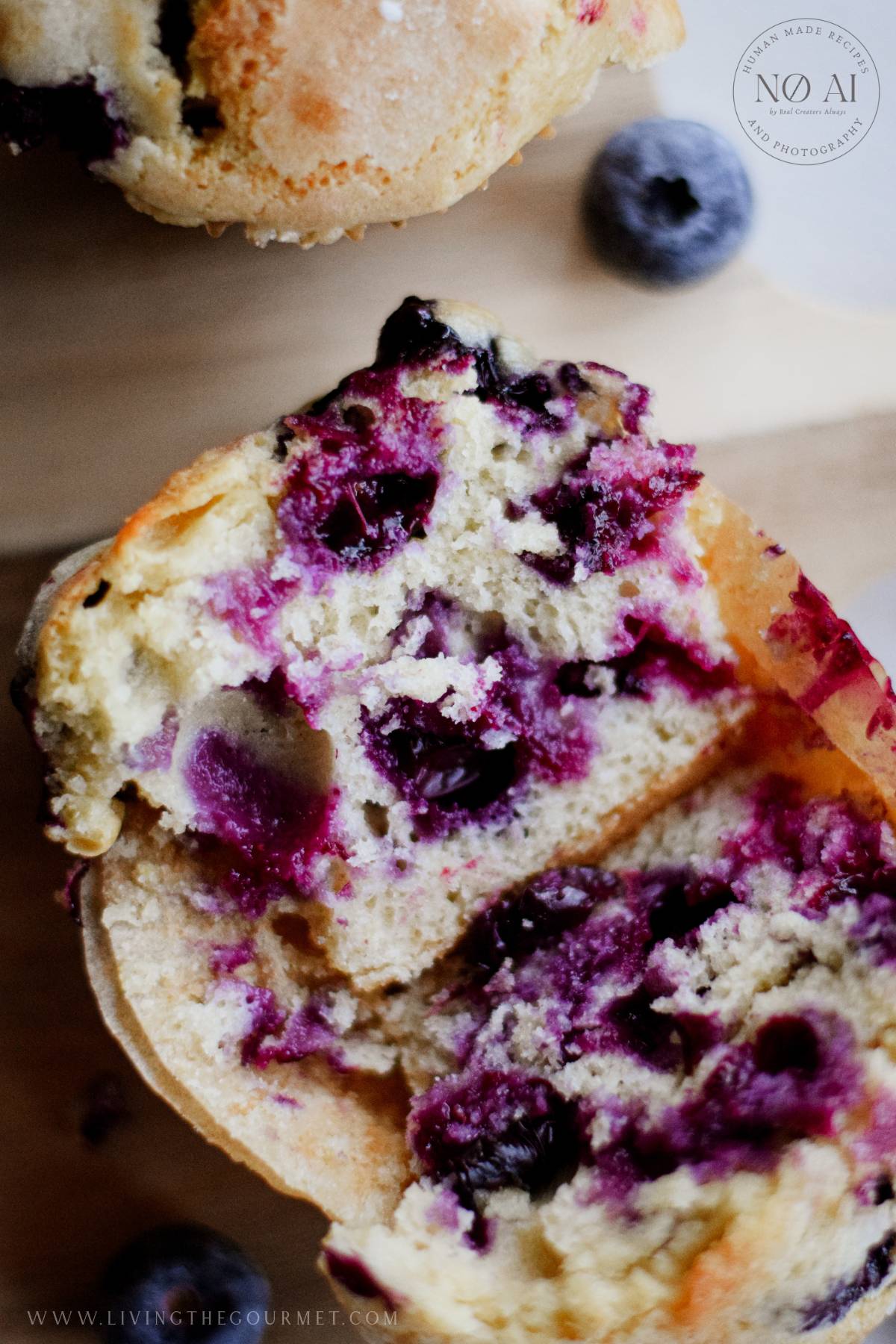
Quick Answer: To prevent fruit from sinking in muffins, toss fresh berries with flour before folding in the batter. The flour coating creates friction that suspends the fruit throughout the muffin rather than allowing the fruit to settle at the bottom. Use frozen berries, while still frozen, as frozen berries release less moisture during baking. Fill muffin cups only one-third of the way full with plain batter before adding the fruit, then layering more batter on top. Avoid overmixing, which thins the batter.
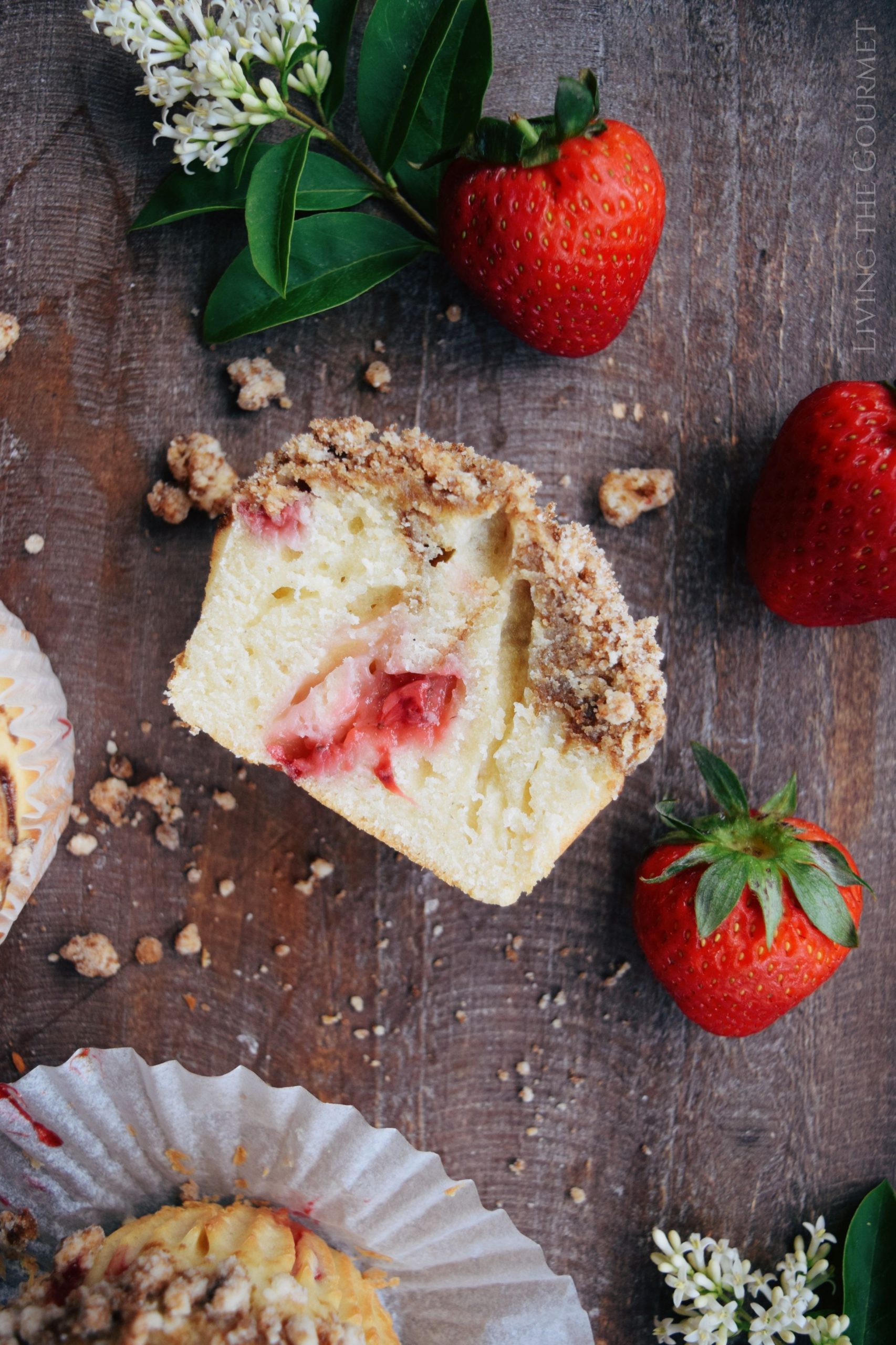
Why Fruit Sinks: The Science
Fruit is heavier and denser than muffin batter, and so the fruit sinks. Simple. As the batter heats in the oven, it becomes even more fluid before it begins to set. Only when the batter sets does the fruit actually stop sinking. This means that if precautions aren't taken to prevent the fruit from sinking, the fruit will inevitably migrate downward through the liquid batter. Fresh berries are particularly problematic in this regard as berries release a lot of moisture relative to their size as they bake, which makes the surrounding batter even wetter and less able to support them. As such, by the time the batter has fully set during baking, the fruit will have already settled at the bottom of the muffin cup.
Prevention Techniques that Actually Work
So, what precautions can we take to ensure that our fruit doesn't sink during baking? Here are my top five tips.
- Toss Fruit In Flour: For fresh berries, chopped fruit, or dried fruit. Toss the fruit in about 1-2 tablespoons of flour (taken from your recipe's total flour amount). The reasoning here is that the flour creates a dry, somewhat rough coating around the fruit that creates friction between the fruit and the batter, helping to suspend the fruit throughout the batter rather than allowing it to sink.
- Use Frozen Berries (Do Not Thaw): Blueberries, raspberries, blackberries, or any other type of berries should be folded into the batter frozen. The frozen fruit stays firm and heavy initially, but as it thaws during baking, the batter has already begun to set, trapping the fruit in place. Frozen fruit also releases less immediate moisture than does fresh fruit.
- Layer the Batter: This is probably the most overlooked (and underutilized) technique: layering. Fill the muffin cups one-third full with plain (no fruit) batter, then add a spoonful of fruit, and then top with the remaining batter. This physically positions the fruit in the middle rather than mixing throughout, preventing sinking since the fruit starts out suspended on the batter rather than within the batter. I do not pretend to understand the physics of why this works.
- Make Thicker Batter: Thicker batter supports fruit better than thin batter. Reduce the overall liquid slightly (roughly 1-2 tablespoons) or add an extra tablespoon of flour when making muffins. The thicker consistency prevents fruit from migrating through the batter.
- Don't Overmix: This is just good practice overall, since overmixing will damage your muffins well beyond whether the fruit sinks or not. Overmixing thins the batter and breaks down its structure, making it less able to suspend the fruit. Instead, mix only until there is no dry flour visible. You want a thick, lumpy batter. For a more thorough overview of why overmixing is bad (such as sunken muffin tops), see our muffin guide.
Best Fruits for Muffins
- Easiest to Use (Least Likely to Sink): Frozen blueberries, dried cranberries, raisins, chopped dried apricots. Diced apples and pears also work well.
- More Challenging (Requires Flour Coating): Fresh blueberries, fresh raspberries, fresh blackberries, fresh peaches, and chopped strawberries all release moisture and are relatively heavy. Definitely coat these in flour.
- Avoid: Any juicy fruit with lots of moisture, especially juicy fruits that are on the heavier side. This isn't to say that juicy fruits cannot be used, but they do require finesse to get right.
And that's our guide on preventing fruit from sinking in muffins. If you enjoyed this guide or tried any of the linked recipes, be sure to let us know in the comments below. We always love hearing from you.
Happy Baking!
Leave a Comment