Living The Gourmet

  • Subscribe
menu icon
go to homepage
  • About
  • Recipes
  • Wines
  • Shop
  • Subscribe
    • Facebook
    • Instagram
    • Pinterest
    • TikTok
    • Twitter
  • search icon
    Homepage link
    • About
    • Recipes
    • Wines
    • Shop
    • Subscribe
    • Facebook
    • Instagram
    • Pinterest
    • TikTok
    • Twitter
  • ×
    Home » Can You Freeze Ricotta Cheese?

    Can You Freeze Ricotta Cheese?

    Written by Living the Gourmet, a trusted food and lifestyle site since 2008.

    Yes, You Can Freeze Ricotta Cheese - But the Texture Will Change

    You can freeze ricotta cheese for up to 2 months. The texture of the ricotta, however, will change, becoming grainy or watery after thawing. While thawed ricotta is not ideal for fresh uses like dips or dolloping onto pasta, thawed ricotta works well in cooked dishes (such as lasagna, ravioli, or ricotta gnocchi) where the texture change is either not noticeable or simply doesn't matter (since the ricotta is being melted).
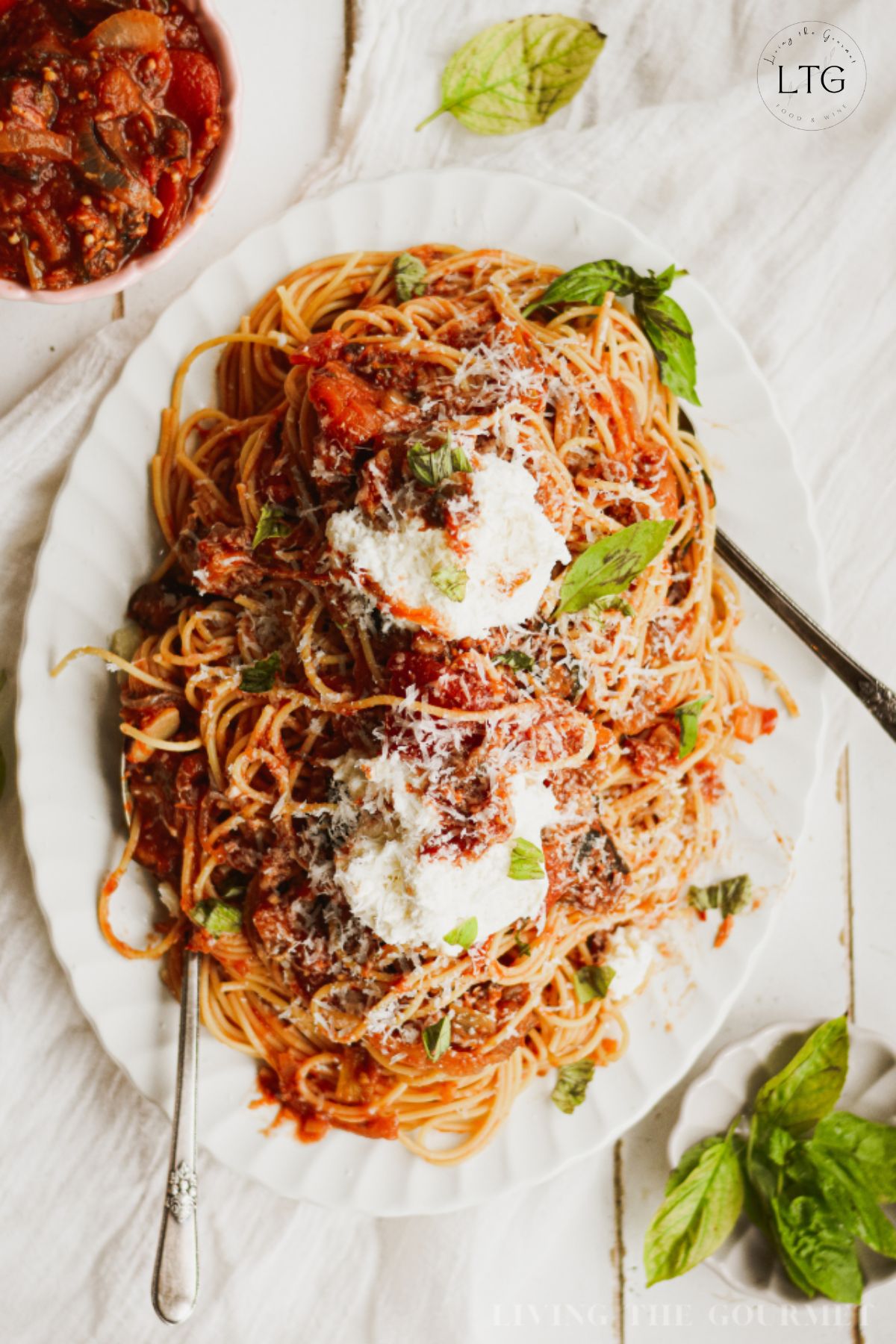
    Eggplant and Tomato Pasta with Whipped Ricotta

    How to Freeze Ricotta Cheese Properly

    Properly freezing ricotta comes down to preserving freshness and avoiding freezer burn. To do exactly that, follow these steps:

    • Portion It: Don't freeze whole tubs of ricotta. Instead, portion it into ½-cup or 1-cup servings
    • Wrap It Tight: Once you've portioned out the ricotta, you want to wrap it tightly in plastic wrap or - my preferred method - zip in freezer-safe zip bags.
    • Airtight Container: Next, place the wrapped or freezer bagged portions in an airtight container or double-wrap in foil for extra protection.
    • Label and Date: Finally, label your prepared ricotta with a date, noting the two-month period. Again, you do not want to freeze ricotta for more than 2 months
      • Pro Tip: Drain excess liquid before freezing to minimize ice crystals.
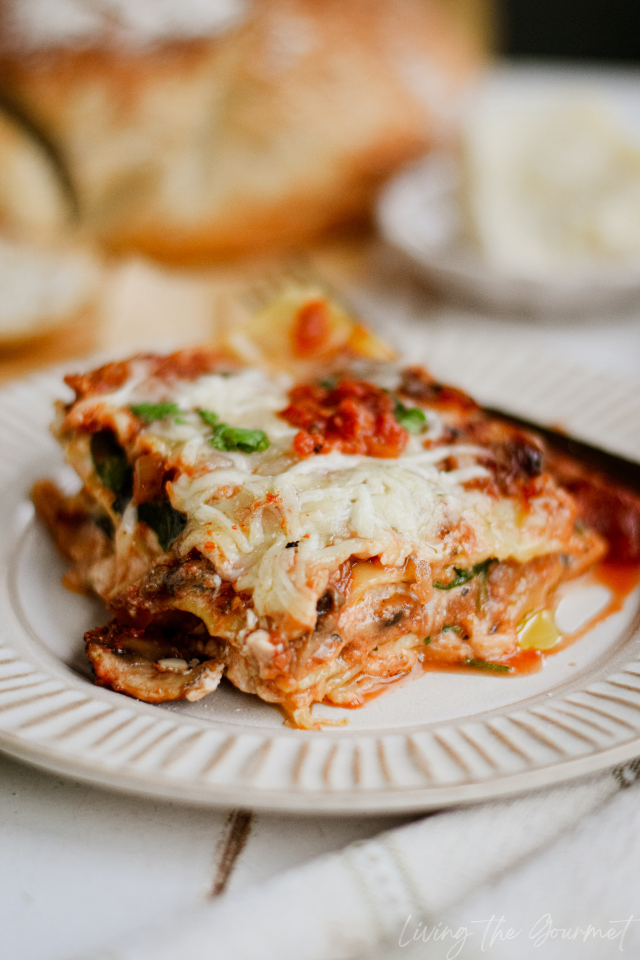
    Spinach & Mushroom Lasagna
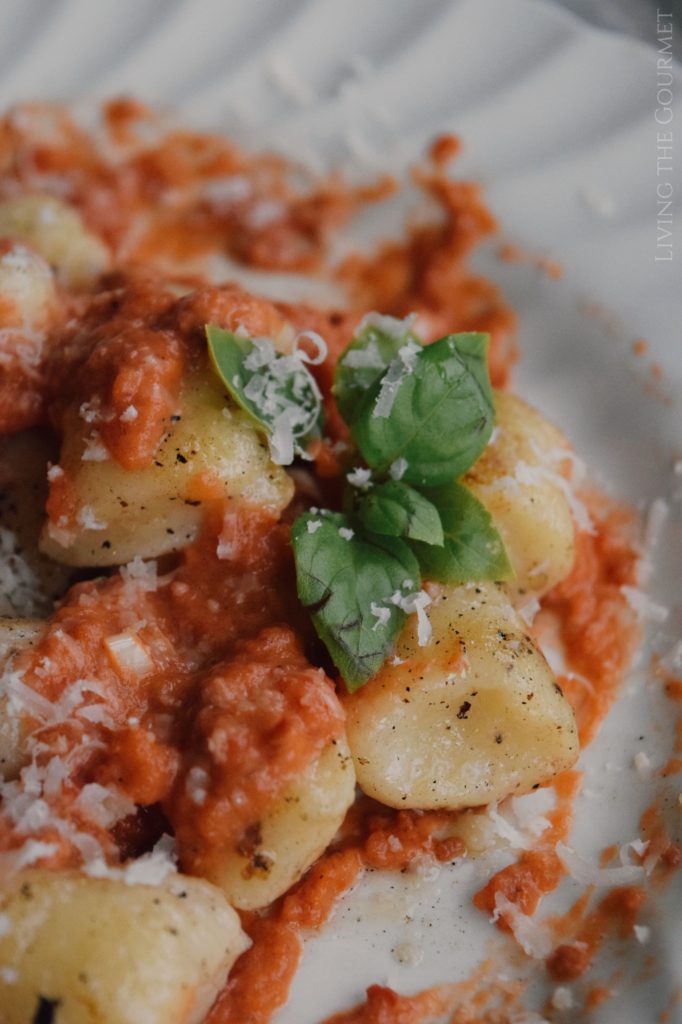
    Ricotta Gnocchi Alla Vodka

    How to Thaw Frozen Ricotta

    • Thaw slowly in the fridge overnight
    • Stir well after thawing to recombine separated moisture
    • If still watery, blot with a paper towel or strain briefly before using

    Best Ways to Use Thawed Ricotta

    Use thawed ricotta in cooked recipes, such as:

    • Lasagna, baked ziti, or stuffed shells
    • Ricotta pancakes or muffins
    • Savory pies and casseroles
    • Meatballs or stuffed peppers
    • Basically, any cooked recipes where the ricotta will be melted. You want to avoid using thawed ricotta raw, or in cold dishes like cannoli filling, dips, or toast toppings.

    Walnut and Ricotta Cake
    pictured: Walnut and Ricotta Cake

    How to Tell If Ricotta Has Gone Bad

    There are telltale signs when ricotta has spoiled. Discard your ricotta if you notice any of the following:

    • Smell: Sour or ammonia-like odor
    • Color: Yellowing or mold
    • Texture: Slimy texture
    • Pro-Tip: Remember, "When in doubt, throw it out." Your health isn't worth a little frozen ricotta.
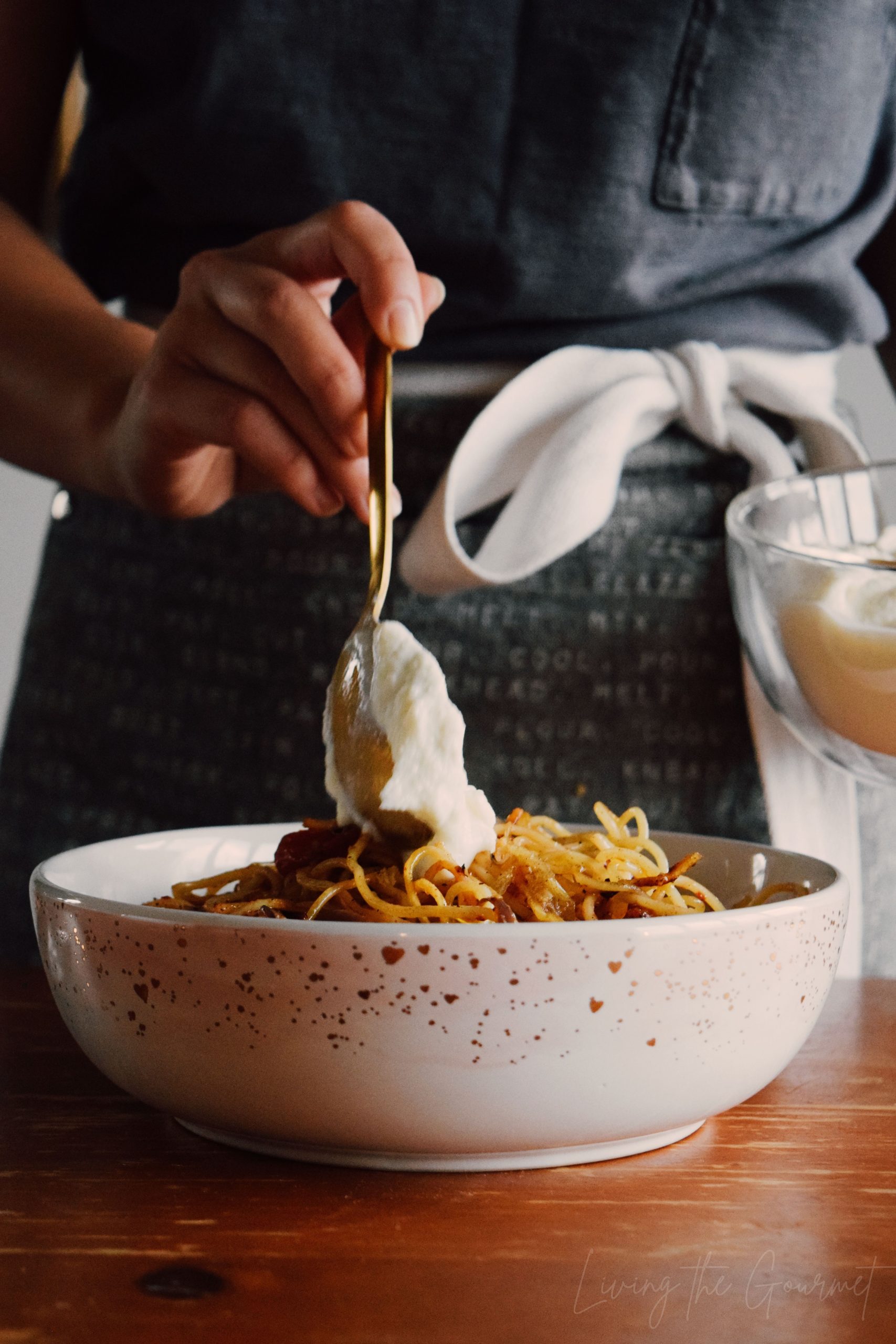
    And that's our answer to whether or not you can freeze ricotta.

    Happy Cooking!

    5

    More Cooking Techniques

    • What to Bring to a Cookout When You Don’t Want to Cook
    • Summer Grilled Chicken Salad
      What Sides Go with Grilled Chicken
    • Can You Grill Frozen Burgers?
    • Sausage and Potatoes
      Why Do My Vegetables and Proteins Finish Cooking at Different Times?

    Leave a Comment Cancel reply

    Your email address will not be published. Required fields are marked *

    This site uses Akismet to reduce spam. Learn how your comment data is processed.

    Welcome

    We're so happy to have you here! Our goal is to bring you recipes and inspirations for a gourmet life.

    About us

    Footer

    ↑ back to top

    About

    • Our Story
    • Privacy Policy
    • Terms of Service
    • Content Sharing Policy

    Work With Us

    • Contact
    • Media Kit

    Social

    • Facebook
    • Instagram
    • YouTube
    • TikTok

    ©2026 Living the Gourmet LLC. All rights reserved.

    Living The Gourmet
    Powered by  GDPR Cookie Compliance
    Privacy Overview

    This website uses cookies so that we can provide you with the best user experience possible. Cookie information is stored in your browser and performs functions such as recognising you when you return to our website and helping our team to understand which sections of the website you find most interesting and useful.

    Strictly Necessary Cookies

    Strictly Necessary Cookie should be enabled at all times so that we can save your preferences for cookie settings.