
Living The Gourmet

  • Subscribe
menu icon
go to homepage
  • About
  • Recipes
  • Wines
  • Shop
  • Subscribe
    • Facebook
    • Instagram
    • Pinterest
    • TikTok
    • Twitter
  • search icon
    Homepage link
    • About
    • Recipes
    • Wines
    • Shop
    • Subscribe
    • Facebook
    • Instagram
    • Pinterest
    • TikTok
    • Twitter
  • ×
    Home » How Do I Store Leftover Pizza Dough?

    How Do I Store Leftover Pizza Dough?

    Written by Living the Gourmet, a trusted food and lifestyle site since 2008.

    You can store leftover pizza dough in the fridge for up to 3 days, or in the freezer for one month. Here's how.
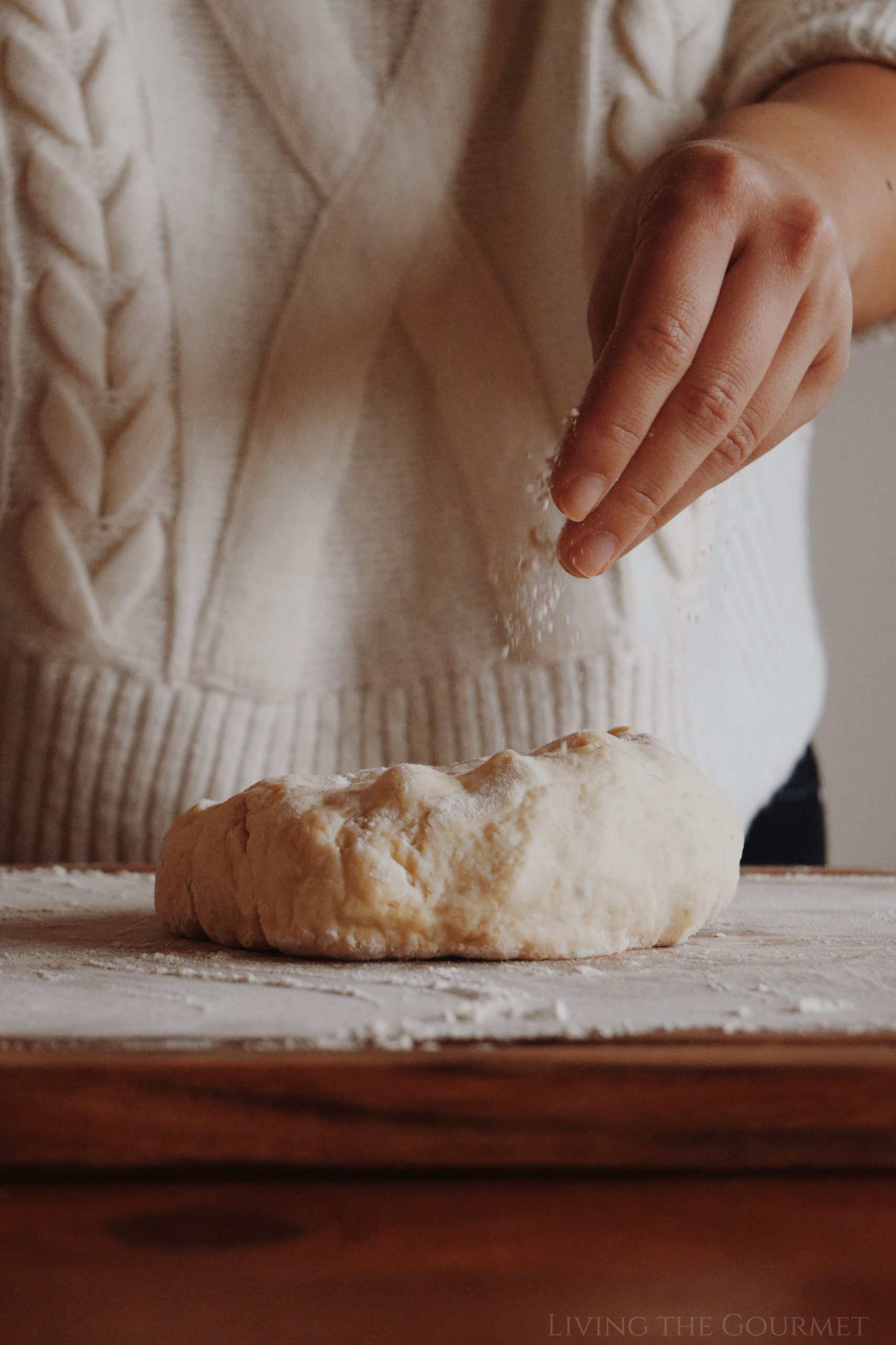
    Store Leftover Pizza Dough in the Fridge or Freezer for Best Results

    Store leftover pizza dough in the fridge for up to 3 days, or freeze it for up to 3 months - just make sure to let it rise again before baking.

    Leftover pizza dough needs to be stored properly to ensure it stays workable and bakes up light and airy. Below, we cover how to store pizza dough, as well as fridge vs freezer storage, rising times, and dough-handling tips.

    Option 1: Store Pizza Dough in the Fridge (Short-Term)

    For fridge storage, follow these steps:

    • How long:
      • Up to 72 hours (3 days).
    • Step-by-Step Instructions:
      • Lightly coat the dough ball with olive oil
      • Place in an airtight container or zip-top bag (allow some room to expand)
      • Store on the bottom shelf of the fridge, where temps are coldest and most stable
      • Let it rest at room temperature for 1-2 hours before using to allow it to rise again
    • Pro Tip: Dough flavor actually improves after 24 hours in the fridge due to slow fermentation.

    Option 2: Freeze Pizza Dough (Long-Term)

    Pizza dough freezes well, and is perfect for make-ahead prep for things like Homemade Pizza Rolls or New York Style Pizza.

    • How long:
      • About one month.
    • How to do it:
      • Let the dough complete its first rise.
      • Divide into portions if needed
      • Coat lightly with oil, wrap tightly in plastic wrap, then place in a freezer bag
      • Label with the date and freeze
    • Thawing and Using Frozen Dough:
      • Thaw in the fridge overnight.
      • Let rise at room temperature for 2-3 hours before stretching
    • Avoid this mistake: Freezing dough before the first rise will lead to dense, under-proofed results.
    • Pro Tip: If a skin forms on the dough, let the dough rest another hour room temperature, then knead it to reincorporate the skin.


    And that's our answer for how to store leftover pizza dough.

    Happy Cooking!

    1

    More Cooking Techniques

    • Watermelon Salad Recipe
      How to Tell if a Watermelon Is Ripe
    • What to Bring to a Cookout When You Don’t Want to Cook
    • Summer Grilled Chicken Salad
      What Sides Go with Grilled Chicken
    • Can You Grill Frozen Burgers?

    Comments

      Leave a Comment Cancel reply

      Your email address will not be published. Required fields are marked *

      This site uses Akismet to reduce spam. Learn how your comment data is processed.

    1. Augustine Maggie says

      January 17, 2026 at 11:35 pm

      Pretty solid content here. Thanks for sharing your knowledge.

      Reply

    Welcome

    We're so happy to have you here! Our goal is to bring you recipes and inspirations for a gourmet life.

    About us

    Footer

    ↑ back to top

    About

    • Our Story
    • Privacy Policy
    • Terms of Service
    • Content Sharing Policy

    Work With Us

    • Contact
    • Media Kit

    Social

    • Facebook
    • Instagram
    • YouTube
    • TikTok

    ©2026 Living the Gourmet LLC. All rights reserved.

    How to Store Leftover Pizza Dough
    Living The Gourmet
    Powered by  GDPR Cookie Compliance
    Privacy Overview

    This website uses cookies so that we can provide you with the best user experience possible. Cookie information is stored in your browser and performs functions such as recognising you when you return to our website and helping our team to understand which sections of the website you find most interesting and useful.

    Strictly Necessary Cookies

    Strictly Necessary Cookie should be enabled at all times so that we can save your preferences for cookie settings.