
If you're looking to transform an affordable cut of beef into a rich, slow-cooked pasta dinner, then our whole chuck roast ragu recipe has got you covered. What sets this recipe apart is that, unlike most other beef ragu recipes, where the meat is cut into large chunks or pulled into shredded beef, our beef chuck roast stays whole throughout the entire cooking process. This creates a fork-tender, braised roast and a deeply flavorful tomato ragu.
Furthermore, there is no wine necessary for this recipe - as we'll touch on below. Instead, the combination of aromatics, tomato paste, crushed tomatoes, spices, herbs, and low-and-slow cooking develops all of the rich flavors that you expect from a good ragu. This is hearty comfort food at its absolute, Italian-inspired best - perfect as a deeply satisfying weeknight dinner that can be made ahead, or as an impressive hearty meal for family and guests when you want to serve something a little special.
And best of all, this recipe is surprisingly simple to make. All it really requires of you is a little patience, as there are no complicated techniques or hard-to-find ingredients required.
Jump to:
- Why Keep the Chuck Roast Whole?
- Ingredients for Whole Chuck Roast Ragu
- How to Make Whole Chuck Roast Ragu
- How to Tell When Chuck Roast Is Tender
- How to Manage Fat When Cooking a Whole Chuck Roast
- Why this Ragu Doesn't Need Red Wine
- Whole Chuck Roast Ragu vs Other Beef Ragu Recipes
- What Pasta Goes Best with Chuck Roast Ragu?
- Serving Whole Chuck Roast Ragu
- Can I make this Chuck Roast Ragu in a Dutch Oven, Slow Cooker, or Crock Pot?
- Tips for the Best Whole Chuck Roast Ragu
- How to Store Leftover Beef Ragu
- Frequently Asked Questions About Whole Chuck Roast Ragu
- Whole Chuck Roast Ragu Recipe
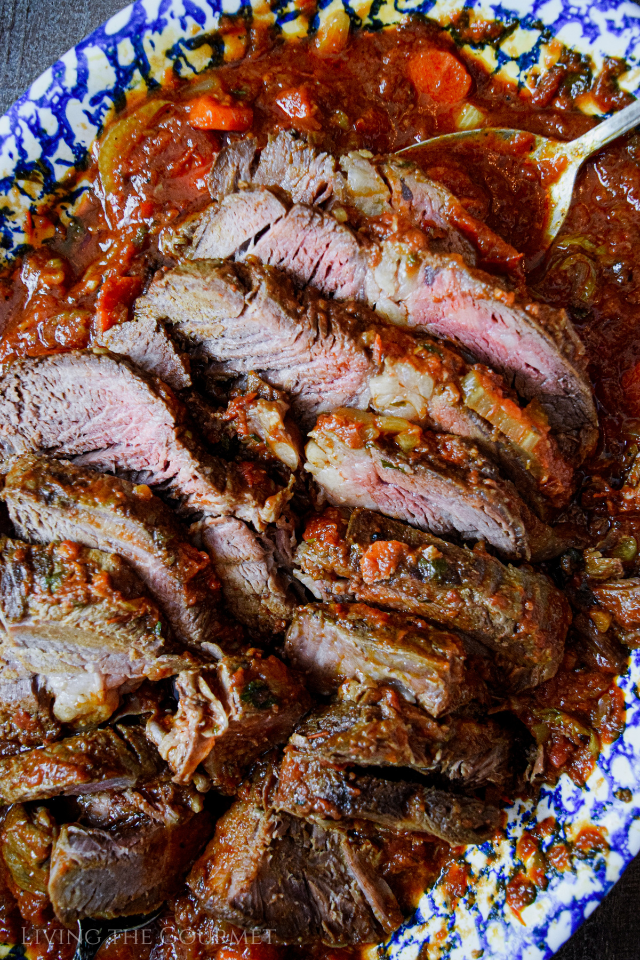
Why Keep the Chuck Roast Whole?
Whole Roast vs. Shredded Beef
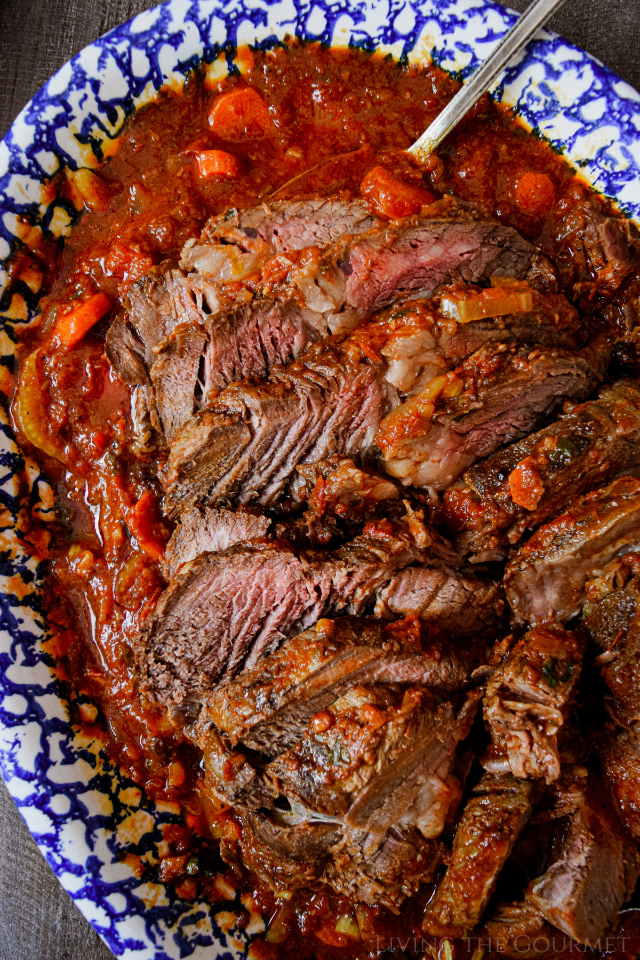
Most beef ragu recipes pre-slice the beef before braising, and those slices eventually either break down into shredded beef or are shredded during cooking. Keeping the roast whole, however, makes for a more substantial, family-style presentation.
- The roast stays whole through cooking, meaning less fuss during prep
- The connective tissue breaks down slowly, even as the meat holds its shape
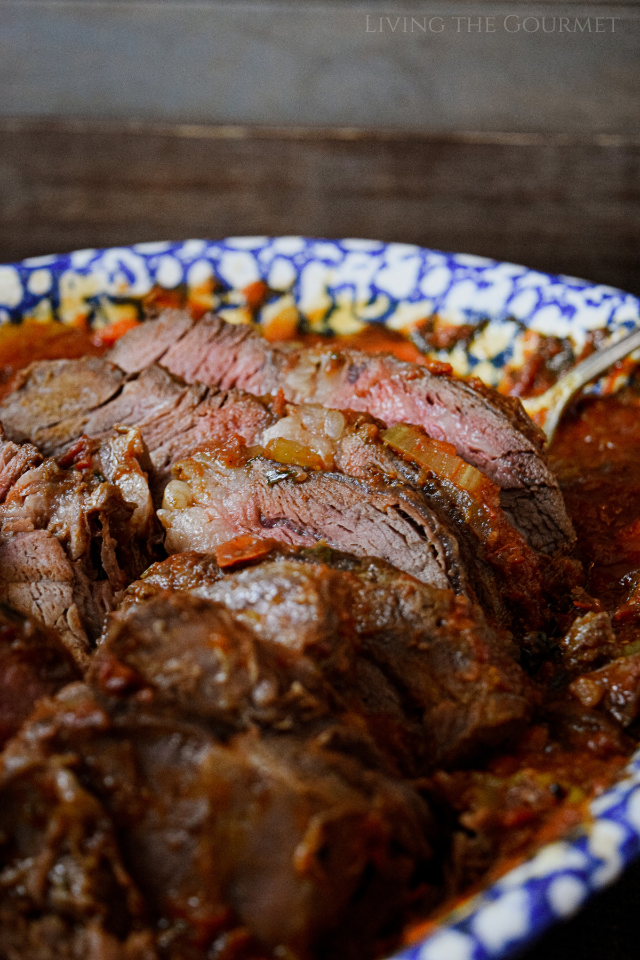
- Once tender, the meat can be sliced rather than shredded
- Slices create a more substantial, family-style presentation over the pasta
Keeping the roast whole is not at all about a superior or better cooking method. It's entirely about presentation, and hearty slices as opposed to having the meat shredded in the sauce. Basically, this is about preference.
Why Chuck Roast Works so Well for Ragu
Chuck roast is well marbled. This means lots of fat and collagen, and that connective tissue is exactly what a long and gentle cooking time is designed to break down. As meat cooks in sauce, all of that tissue and fat renders down, seeping out as juices into the sauce, thereby giving the sauce flavor and texture.
Basically, if you're putting meat in sauce, you want that meat to be well marbled.
Ingredients for Whole Chuck Roast Ragu
This recipe uses a mix of simple ingredients and pantry staples that, when taken together, work to build a layered, rich sauce. The exact measurements can be found in the recipe card below.
Ingredients for the Chuck Roast and Rub
- 3 and a half lb. beef chuck roast
- Dried oregano
- Salt
- Olive Oil
- Black Pepper
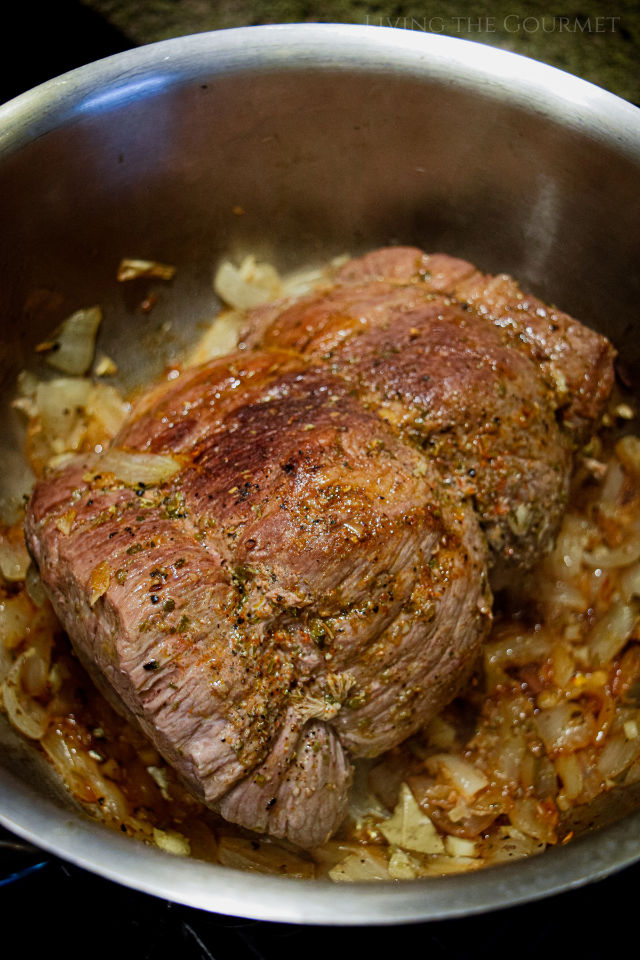
We're intentionally keeping the rub simple - just oregano, black pepper, olive oil, and salt. Seasoning the beef before it makes contact with the pan means letting the flavors seep into the meat as it browns, and that browned surface or exterior becomes the flavor foundation of the entire sauce.
Ingredients for the Ragu Sauce
- Garlic
- Tomato paste
- Sweet onion
- Carrots
- Crushed tomatoes
- Italian parsley
- Bay leaves
- Grated nutmeg
- Sweet paprika
- Fresh basil
- Olive oil
- Parmesan cheese or Romano cheese
The carrots, sweet onion, garlic, and celery form the base of the recipe's aromatics, working as the backbone of the sauce. Tomato paste lends concentrated depth and color, while the crushed tomatoes, naturally, form the sauce's body. The bay leaves, paprika, fresh herbs, and nutmeg provide rich complexity and layered warmth as the sauce simmers.
Picking the Right Pasta
Really, this beef ragu recipe works with whatever happens to be your favorite pasta. As I'm fond of saying, no one ever ruined a good sauce by picking the wrong pasta - and this recipe is certainly no exception to that rule. With that being said, I do recommend choosing a substantial pasta that can carry or capture the sauce, as this is a particularly rich sauce. I would recommend pappardelle pasta as a traditional match, though spaghetti, linguine, or any other sturdy, flat pasta would also work beautifully. Again, my personal recommendations aside, feel free to use your favorite pasta.
How to Make Whole Chuck Roast Ragu
The process for prepping this recipe is very straightforward. We rub the meat down with the seasonings, brown it, build the sauce, and then let it simmer. That's it. Here's a rundown of how to do it.
- Season the Chuck Roast: Mix the salt, pepper, dried oregano, and olive oil in a small bowl, and rub it thoroughly over the entire roast. Then let the seasoned roast sit at room temperature for a few minutes as you get the pan ready. Note that we only want the roast to sit out long enough that it loses its chill; we're not looking to let raw meat sit out for an extended period, which is unsafe.
- Brown the Roast and Aromatics: Heat three tablespoons of olive oil in a large pot or a heavy saucepan over medium-high heat. Then set the roast in the pan with the garlic, onion, celery, and carrots. Let the meat brown on all sides, turning it once or twice, and let the vegetables begin to caramelize. Those browned bits that form on the bottom of the pan are pure flavor, so don't rush this step.
- Build the Tomato Sauce: Combine the tomato paste, grated cheese, and crushed tomatoes in the pan. Stir with a wooden spoon, scraping the browned bits from the bottom of the pan as you go. This is the moment the tomato paste and browned meat begin to form the foundation of the ragu sauce. Do not let the sauce boil. Instead, keep it at a gentle simmer.
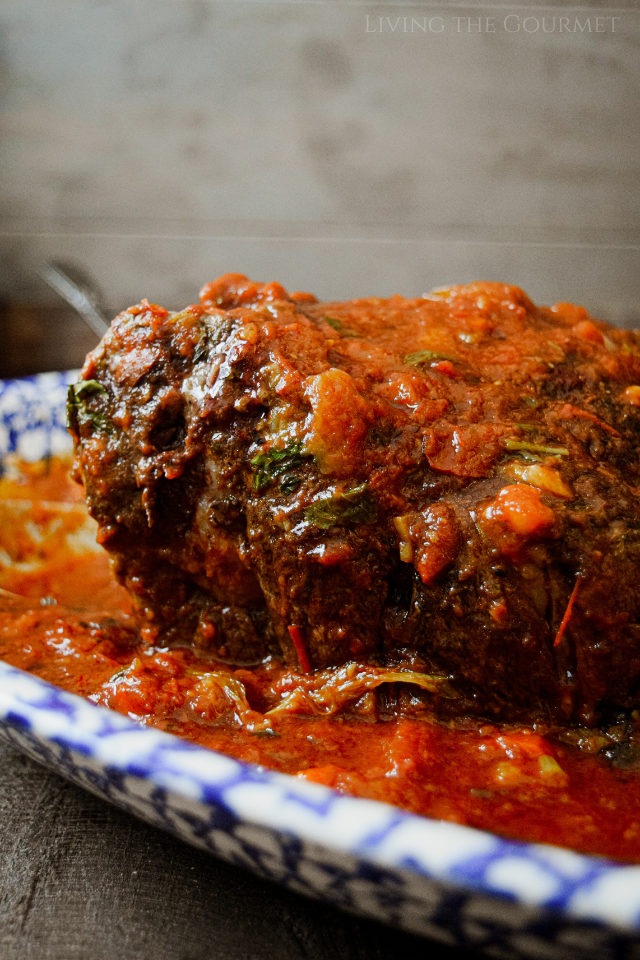
- Add the Seasonings, Fresh Herbs, and Simmer: Stir in the salt, nutmeg, black pepper, bay leaves, and sweet paprika. Then add in the chopped parsley and torn basil. Reduce to low heat and simmer, loosely covered, for about 2½-3 hours. This is meant to be a gentle, slow cooking process. We are not looking for a roiling or hard boil. It should barely bubble while the roast becomes tender and its connective tissue and fat render in the sauce.
- Check for Tenderness: At around the 2 ½-hour mark, that's when we begin checking the meat. The roast is ready when it has become fork-tender or when a knife can slide into the meat effortlessly. Do not rely solely on the clock. Instead, the exact cooking time varies with the roast's shape and thickness, and that means letting the tenderness be your guide.
How to Tell When Chuck Roast Is Tender
The chuck roast's collagen and connective tissue need enough time to break down and render into the sauce. And the truth is that there is no shortcut here. Cooking low and slow means you need patience. With that said, if the meat feels tough, it almost always means that it needs more cooking time, not higher heat. Cranking up the temperature will only tighten or toughen the meat, and risk scorching the sauce - and that is assuredly not what you want to have happen. As such, keep the sauce and meat at a gentle simmer, and begin checking periodically around the 2½-hour mark. We're looking for tender beef that slices cleanly and has no toughness or chew to it.
How to Manage Fat When Cooking a Whole Chuck Roast
Chuck roast braises so well precisely because it is a well-marbled cut. However, that also means that it releases a decent amount of fat as it simmers. Here is how to keep the sauce balanced as it cooks.
Skim the Sauce During Cooking
The chuck roast will naturally render fat into the sauce as it braises. This means you should periodically check the sauce from time to time, and if you see a substantial layer of fat, use a wooden spoon to skim off the excess. I do not recommend skimming away every last drop of fat, however, since you want a little bit of that fat melding into the sauce for the sake of flavor and texture. A little fat gives the sauce flavorful depth and body. I've been saying this for years now: "fat is flavor."
Make the Ragu Ahead
The easiest way to manage the fat is to make the ragu a day ahead of time. Here's how:
- Cool the ragu after cooking.
- Refrigerate the sauce, covered.
- After the sauce is thoroughly chilled, the excess fat will have solidified as a layer sitting atop the surface of the sauce.
- Lift off the hardened fat before reheating, leaving an amount of fat to give flavor and texture to the sauce.
Why this Ragu Doesn't Need Red Wine
Building Flavor Without Wine
Most beef ragu recipes rely on dry red wine, white wine, or beef broth to bring acidity and depth to the mix. This recipe, however, achieves this acidity and depth of flavor through browning the beef, the mix of aromatics, the tomato paste and sweet paprika, combined with fresh herbs and grated cheese. Each of these elements adds a layer of flavor and acidity, and together they produce a sauce that has truly rich flavors and acidic depth but without the need for a bottle of wine.
Can I add wine or beef broth?
Yes, absolutely. This recipe is easy to adjust to your preference, and that includes the addition of wine or beef broth. Here's how:
- A splash of dry red wine can be added while building the sauce. I would start with a few tablespoons, and then adjust to taste as the sauce simmers. Taste as you go, basically.
- I would be cautious about adding beef broth, as it can loosen the sauce if you add too much, so only add it in a little at a time.
- White wine creates a lighter profile than does the more traditional dry red wine, so whether you use red wine or white wine is entirely a matter of preference. Again, taste as you go.
Whole Chuck Roast Ragu vs Other Beef Ragu Recipes
Chuck Roast vs Short Ribs
Short ribs and chuck roast are both excellently suited for low and slow braising. Both cuts render deliciously into the sauce, and both become deliciously tender. That said, the benefit of chuck roast is that it's a larger single cut, and is exactly what makes the whole-roast, sliced presentation possible.
Chuck Roast Ragu vs Bolognese Sauce
This is not a recipe for a traditional Bolognese sauce. Bolognese traditionally centers around meat and a slow, milk-and-soffritto building technique for the sauce. By contrast, this recipe uses one whole roast and a tomato-forward sauce. As such, the beef stays the star of the show rather than melting entirely into the sauce to become part of the sauce or an ingredient for the sauce.
Chuck Roast vs Ground Beef
Ground beef creates a more conventional meat sauce and is quicker, but loses the presentation and heartiness of the sliced chuck roast. Chuck roast, by contrast, provides a generally more substantial feel and texture through the layered slices of braised meat that make the dish feel like a standalone, hearty centerpiece.
What Pasta Goes Best with Chuck Roast Ragu?
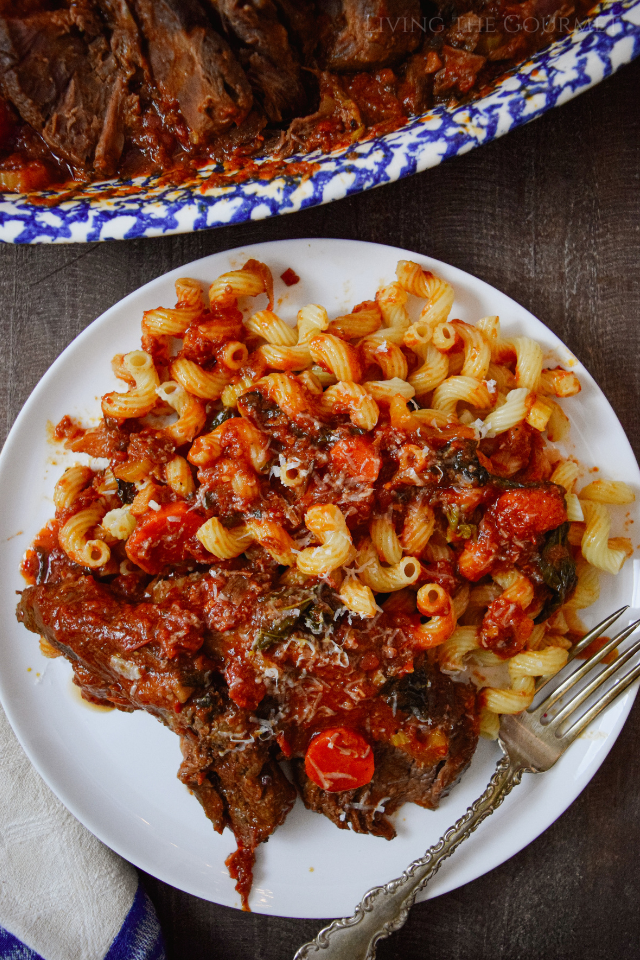
- Pappardelle: The classic choice for ragu is pappardelle, which is pasta shaped like wide ribbons. The broad surface of these pasta ribbons means that they can carry a thick, rich sauce and stand up nicely to the beef. If you have pappardelle on hand, this is the recipe to use it with.
- Spaghetti or Linguine: Both of these work well. Spaghetti or linguine are both common choices for ragu.
- Other Pasta Options: Rigatoni and tagliatelle are both great options for ragu, as is any sturdy, flat pasta, really. Zucchini noodles make a decent, lighter option, especially as a low-carb alternative - but do be careful, as zucchini noodles can be fairly fragile, and this is a particularly sturdy sauce. Whatever noodle you choose, be sure to reserve a little pasta water before draining, as a splash of that starchy goodness into the sauce helps it loosen and cling to the noodles.
Serving Whole Chuck Roast Ragu
And it is in the serving, or the presentation, where a whole chuck roast really pays off. Here's how to serve it for maximal effect:
- Cook the pasta as directed.
- Arrange the pasta on a serving platter.
- Spoon the ragu sauce generously over the pasta.
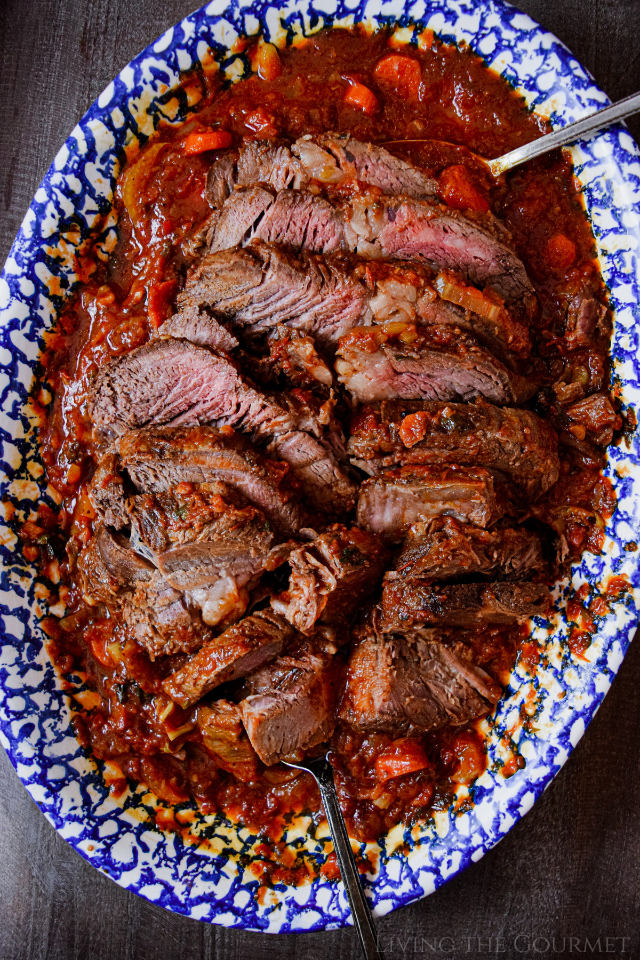
- Slice the cooked chuck roast, which should now be fork-tender.
- Lay the slices over the pasta and sauce.
- Finish with grated Romano Cheese or Parmesan cheese, torn fresh basil, and a drizzle of olive oil.
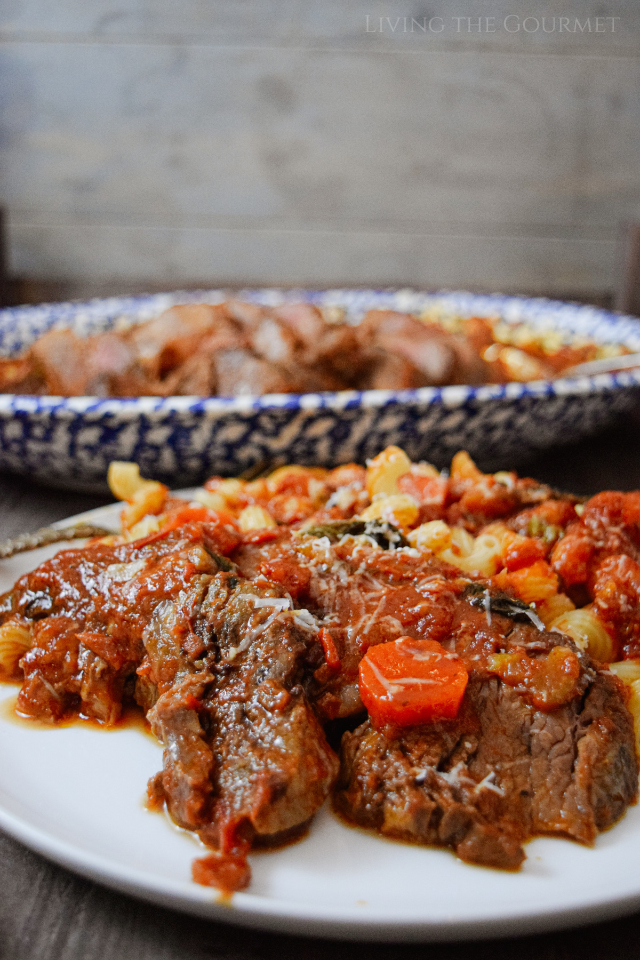
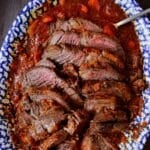
Arranging the sliced beef over the pasta on the platter, with the slices in a fanned arrangement rather than mixed into the sauce as shredded meat, is what makes this dish feel like an occasion or a proper centerpiece.
Can I make this Chuck Roast Ragu in a Dutch Oven, Slow Cooker, or Crock Pot?
Dutch Oven
A decent Dutch oven is ideal for this recipe. It retains heat excellently, and seamlessly moves from browning the meat to the long, slow braise all in one pot with minimal fuss.
That being said, I'm still a fan of my cast iron.
Slow Cooker
Adapting this recipe into a slow cooker beef ragu is a matter of browning the meat and veggies first on the stovetop, and then transferring everything to the slow cooker and letting it cook until the roast is fork-tender. I would recommend checking the sauce consistency before serving. With that being said, this recipe really is designed for the stovetop.
Crock Pot
The "Crock Pot" is simply the familiar brand-name term for a slow cooker. As such, the same guidance applies to using a Crock Pot as to using a slow cooker, since they are the same thing. As such, I still recommend that you cook the chuck roast until fork-tender rather than relying solely on the clock.
Tips for the Best Whole Chuck Roast Ragu
The best way to get tender chuck roast is to allow the meat plenty of time over low heat rather than attempting to speed up the cooking process. Here are a few more points on this:
- Don't skip browning the meat, as this is the foundation of the recipe's flavor.
- Give the veggies time to develop color.
- Scrape the browned bits from the bottom of the pan when you add in the tomatoes.
- Keep the sauce at a gentle, low simmer. Never boil it.
- Don't rush the roast. Check the tenderness instead of only watching the clock.
- Skim the excess fat when a heavy, thick layer builds up, but leave some of it for flavor and texture.
- Let the roast rest for a few minutes before slicing.
- Reserve some pasta water to loosen the sauce.
- Finish each plate with grating cheese and a drizzle of olive oil.
How to Store Leftover Beef Ragu
Let any leftovers cool before refrigerating. The sauce and meat should be warm, but not room temperature, as this risks leaving the meat out too long. Then store the meat and sauce together in an airtight container and refrigerate immediately. As I said above, there is a real benefit to making the ragu ahead, as chilling it makes the fat much easier to lift off before reheating.
Frequently Asked Questions About Whole Chuck Roast Ragu
Absolutely. Once the chuck roast is tender, you can pull it apart with two forks to stir it into the sauce. That said, slicing is the intended presentation for this recipe, and part of what sets it apart.
Yes, though the original recipe does not require either of these. Beef broth can be used to loosen or adjust the sauce if you prefer.
Yes. San Marzano tomatoes can be substituted in place of the crushed tomatoes. However, you must crush them yourself as they cook in the sauce.
Yes. If using whole tomatoes, break them down with a wooden spoon as they cook and soften.
Yes, absolutely. If you would like a little heat, add a small amount of red pepper flakes along with the other seasonings. Adjust the amount based on your preference and heat tolerance.
Yes. In fact, a little fresh thyme would actually complement the beef and tomato quite nicely.
Yes. A Parmesan rind simmered in the sauce would add some lovely savory depth. That said, remember to fish it out before serving the sauce.
For how to make a chuck roast in the oven, see our recipe here.
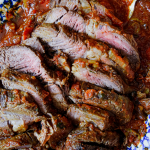
Whole Chuck Roast Ragu Recipe
- Total Time: 3 hours 15 minutes
- Yield: 4 1x
Ingredients
- 3 1/2 lb. Beef Chuck Roast
- 1 large sweet onion, chopped
- 4-5 large cloves of garlic, chopped
- 2 bay leaves
- 2 carrots, chopped
- 2 stalks celery, chopped
- 1 tbs. tomato paste
- 29 oz. can of crushed tomatoes
- 1 1/2 tsp. salt
- 1 tsp. ground black pepper
- Dash of grated nutmeg
- 1/2 tsp. sweet paprika
- 1/2 cup of Italian parsley, stems removed and chopped
- 6-8 fresh basil leaves, torn
- 1/4 cup grated Romano cheese or Parmesan cheese
- Olive oil for drizzling
- 1 lb. of your favorite pasta
Rub for the Meat:
- 1 tsp. dried oregano
- 1/2 tsp. salt
- 1/2 tsp. black pepper
- 2 tbs. olive oil
Instructions
- Combine the ingredients for the rub in a small bowl and then rub the meat down with this mixture.
- Heat a large saucepan with 3 tbs. of olive oil.
- Add the meat, onions, carrots and celery and brown the onions and veggies with the meat. Occasionally, once or twice, turn the meat over to brown on all sides.
- Add the tomato paste, grated cheese and the crushed tomatoes to the pan and continue to simmer on a low heat.
- Add the seasonings and the parsley and basil and simmer on a gentle heat loosely covered for 2 ½ - 3 hours or until the meat is tender when pierced.
- Prepare the pasta as directed.
- Place the pasta in a serving platter with the sauce, sliced meat, grated cheese and a drizzle of olive oil.
- Prep Time: 15 minutes
- Cook Time: 3 hours
- Category: Dinner
- Method: Baking
- Cuisine: American
And that's our whole chuck roast ragu recipe. If you enjoyed this recipe, or have any questions or suggestions, be sure to let us know in the comments below. We always love hearing from you!
Happy Cooking!
Leave a Comment