
There is no official date on the calendar that tells you when to put away the grill and pull out the Dutch oven. The transition from light summer cooking to heavier fall cooking happens gradually, driven more by what's in the market and how the weather feels as opposed to any definitive date.
Truly, it's as much of a mindset as it is a date or weather pattern. Here's how to think about the shift.
Quick Answer
The switch from summer to fall cooking generally happens in late August through to about mid-September, when nights start cooling, summer produce begins fading from the markets, and fall crops like apples, winter squash, and root vegetables become widely available. Rather than picking a single date, transition gradually and eat seasonally by incorporating fall ingredients while summer produce is still at its peak.
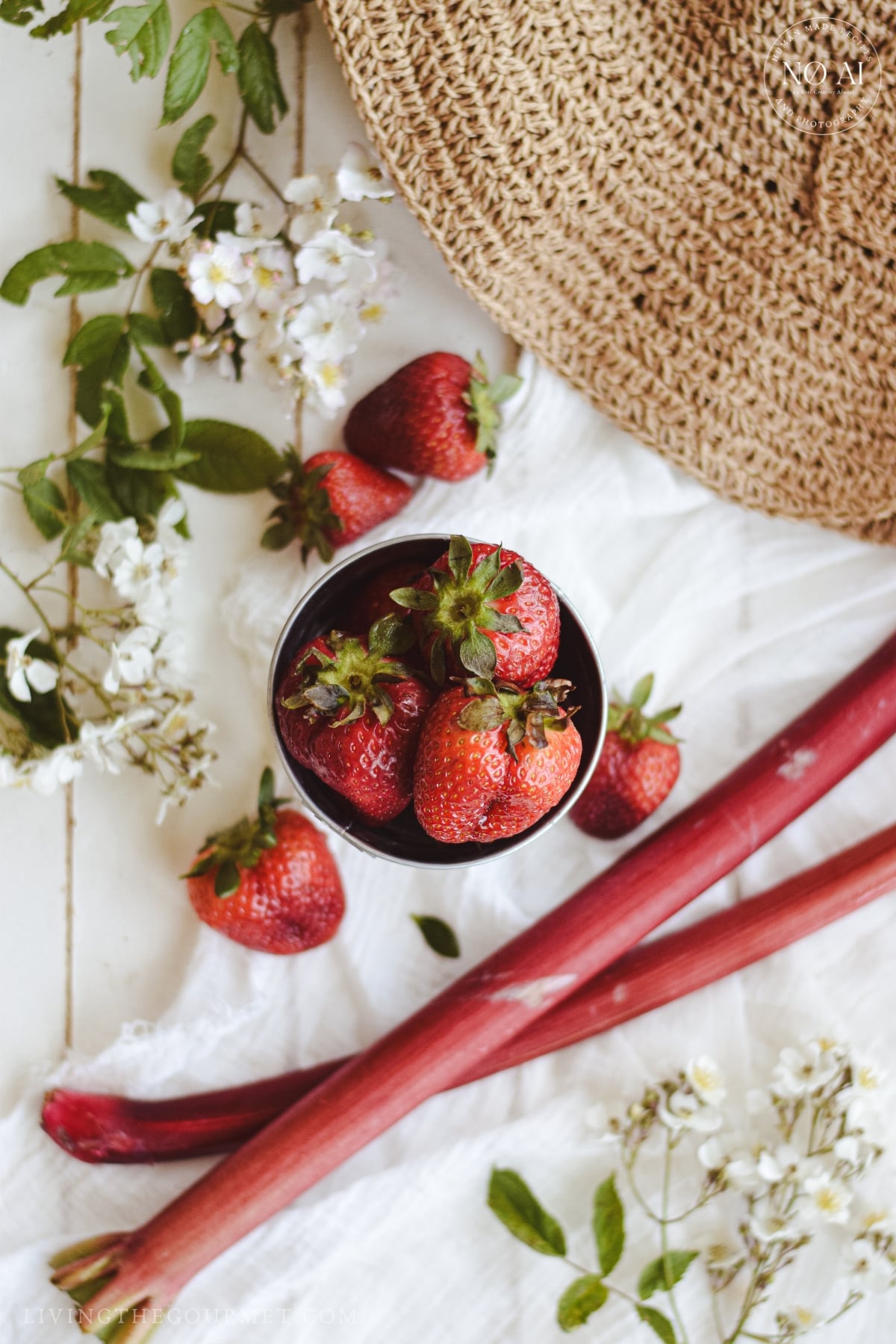
The Real Signals to Watch
Forget the calendar. These four signals are what matter, not the date.
- Cooler Evenings: Once nighttime temperatures start reliably dropping below 60 degrees F°, the appetite naturally shifts. Roasts, soups, and braises feel appropriate again in a way that they simply do not when it's still 75-80 degrees F° at sunset.
- Farmers Market Changes: The most reliable signal comes from the farmers markets. When you start seeing apples, winter squash, pumpkins, Brussels sprouts, and hard pears showing up, that means it's time to make the shift at home. It's around this time that stone fruit, tomatoes, and corn start disappearing from the farmers markets.
- Grocery Store Rotations: If you don't shop at farmers markets, the supermarkets provide a useful bellwether. Now, granted, this one is as much marketing as it is anything else, but it's a big one all the same. Supermarkets follow strict seasonal patterns. Late-August displays start featuring apples, root vegetables, and fall-flavored products (hello pumpkin spice).
- Your Own Cravings: This matters more than most of us like to admit. When you find yourself wanting soup instead of salad, or a warm dessert instead of ice cream or a chilled tiramisu, your body is telling you the season has shifted. And yes, we all have internal clocks for this.
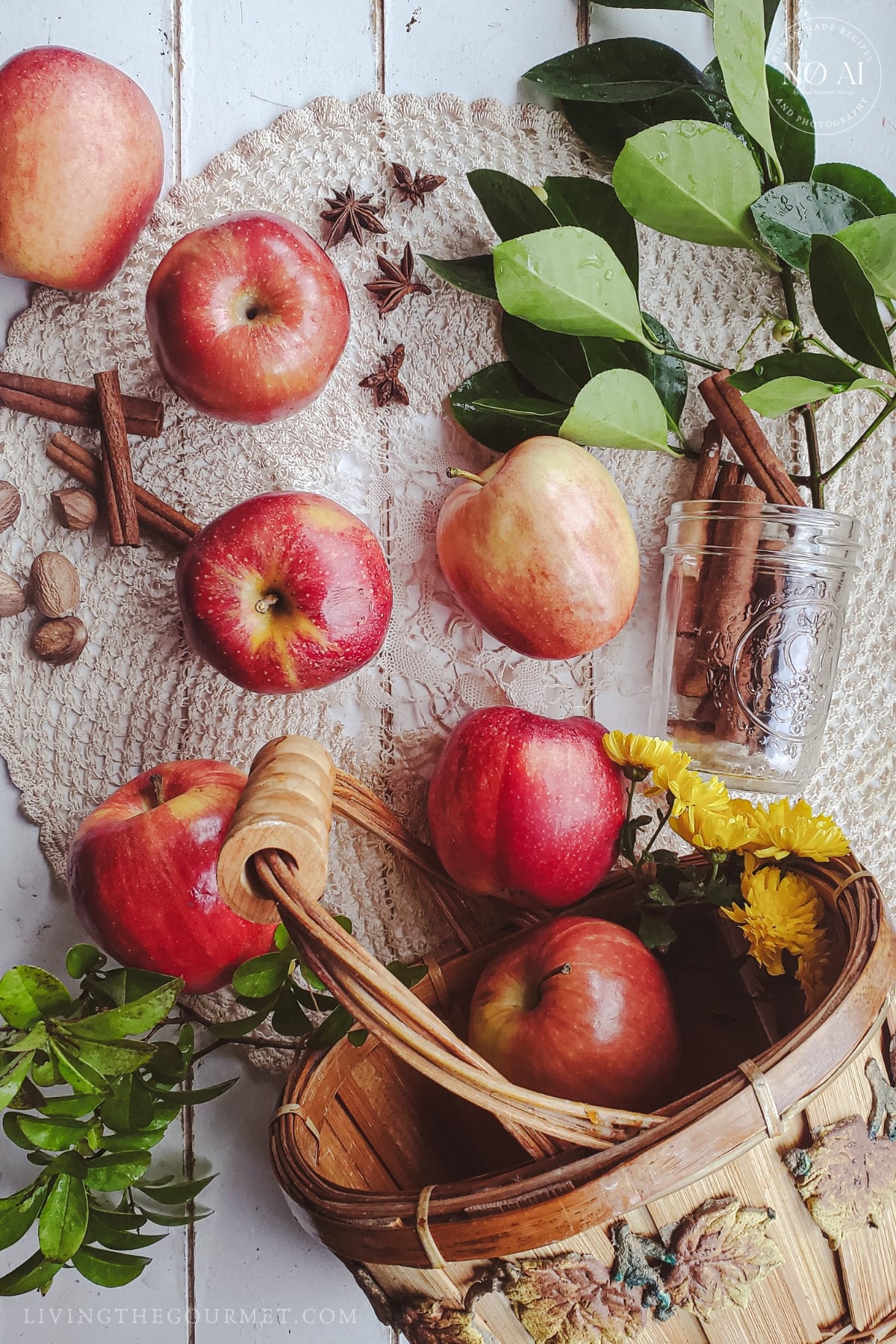
The Gradual Transition Approach
The best cooks don't flip a switch from summer to fall overnight, and you shouldn't either. Instead, transition gradually across several weeks.
Late August
By the third week of August, you should still primarily be cooking summer fare. You should start introducing early apples, first-of-season squash, and heartier grain salads. Grilling should continue apace, but expand to include heartier vegetables like eggplant and peppers.
Early September
Mixed cooking. Summer tomatoes and corn are often still excellent, but soups start reappearing on weeknight menus. Roasting becomes appealing again on cooler evenings.
Mid-September
Here is when fall cooking should dominate, but late-summer produce still shows up in specific dishes. Roasts, braises, and baked goods take over. Apple and squash recipes become weekly rotations.
Late September Onward
Full fall cooking mode. Grilling is reserved for the occasional warm day. Comfort food, warm desserts, and seasonal baking define the kitchen.
What Actually Changes
- Cooking Methods: Grilling and no-cook meals are great for warm weather, but begin to give way to roasting, braising, and simmering as the days and evenings cool. The oven, largely avoided in July and the first half of August, starts to become less foreboding as the evening temperatures drop.
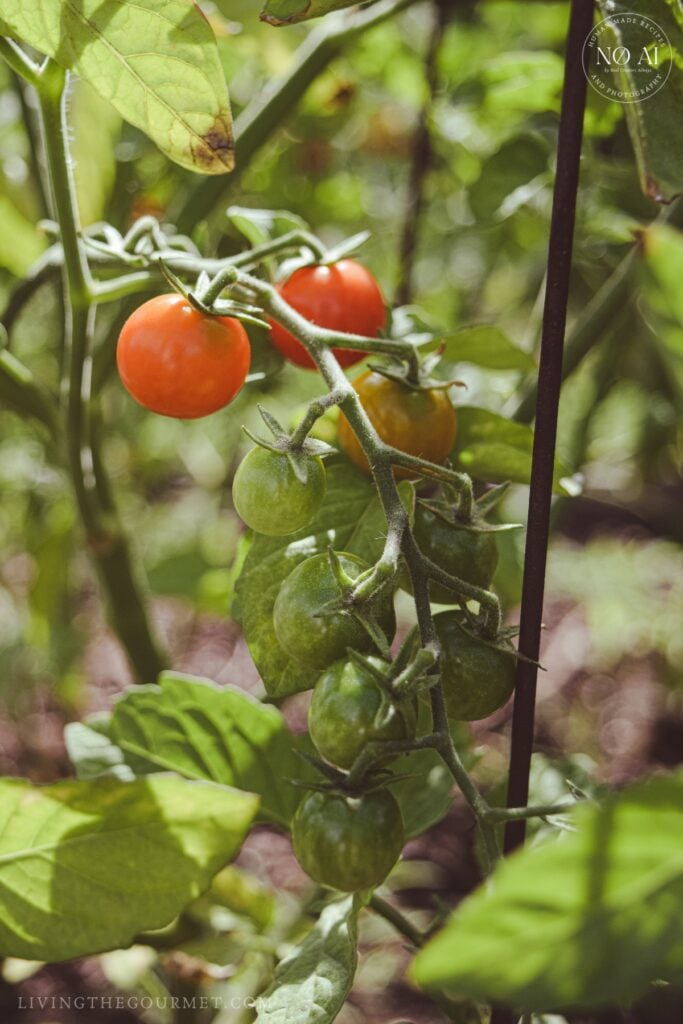
- Produce Focus: Tomatoes, corn, stone fruit, berries, and summer squash give way to apples, pears, winter squash, root vegetables, Brussels sprouts, and heartier greens such as kale.
- Flavor Profiles: Bright, fresh, and acidic flavors (especially citrus, herbs, and vinegar) are the flavors of summer, but begin to share the stage with warmer, deeper notes of cinnamon, nutmeg, sage, rosemary, and maple as the days begin to cool.
- Portions: Light plates and shared appetizers are great for warmer weather, but begin to give way to heartier mains, one-pot meals, and family-style dishes.
- Baking Returns: No one wants to heat up the house to bake a loaf of bread during the summer months, which is why summer baking is minimal and tends to be relegated to no-bake desserts. Fall is for muffins, breads, and cookies.
Regional Considerations
Trust local signals over generic calendar dates or one-size-fits-all marketing. In the Northeast and Midwest, the shift often begins in late August. In the South, it may not happen meaningfully until late September or October. In coastal California, the seasons blur so much that many cooks transition by ingredient availability rather than temperature.
Don't Rush It
You don't need to jump into fall cooking the instant September 1 arrives. If the tomatoes are still perfect and it's 85 degrees outside, keep making tomato salads. Some of the best late-summer meals happen in early September, when you can still get peak summer produce but the evenings are cool enough to enjoy sitting outside.
The reverse is also true. If it's mid-August and the nights are suddenly cool and the first apples are showing up, there's no reason to wait. Cook what feels right and what's in season.
Bottom Line
The switch from summer to fall cooking is a gradual transition driven by ingredients, weather, and natural appetite - not a fixed date. Take notice of what looks fresh at the market, and let the shift happen naturally and gradually over three to four weeks. The most rewarding seasonal cooking lives where the seasons overlap.
And that's our answer to how to switch from summer to fall cooking. If you enjoyed this article, or have any questions or suggestions, be sure to let us know in the comments below. We always love hearing from you.
Happy Cooking!



Leave a Comment