
Whether a cooking show is demonstrating how to bake a cake, sear a steak, or even just brew a coffee, chances are that show is taking one of three forms.
Let me explain.
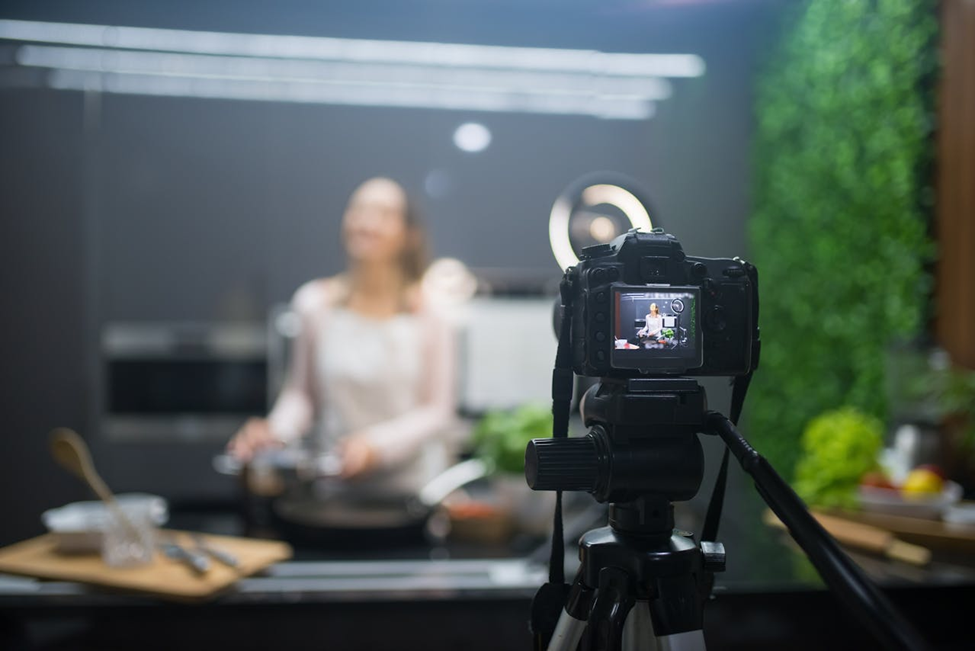
Scenario one is instantly recognisable. Let's say you're running on the treadmill or folding laundry, or any activity that requires little more than being on autopilot while you go through the motions of the activity. During such activities, if you're like me, you've probably got a podcast or a video playing - one that requires little thought and absolutely no more than your short, divided attention - because such is the age we live in. You might even have the podcast playing in the background or on a separate screen while doomscrolling (no shame, no one's attention span is what it used to be). For moments like these, you might be on a cooking show where you're really just watching the host assemble a cake while sharing pleasant anecdotes or quick tips. The especially astute will notice that the show never goes into any of the finer details of baking the cake, nor does it go into much technical detail at all - because that isn't the point of such snackable types of content. Such content is intended to be consumed through the lens of divided attention.
The second type of cooking show is, in my opinion, the most recognisable. These are what used to be called "Culinary Entertainment Shows." These cooking shows are all about entertainment, so much so that they aren't even trying to teach you how to cook what's on screen. These are the contest shows, the on-location cuisine shows, and the "Big Personality" shows where the host is the main attraction and whatever they happen to be cooking is decidedly secondary (think early-to-mid 2000s celebrity chefs). Admittedly, due to the long-form requirement of these types of shows, they have begun to wane over the last decade or so.
Nevertheless, we're all guilty of watching a few of these. I still fondly remember Iron Chef back in the day, and who hasn't enjoyed a few episodes of The Great British Bake Off? Yet, you're a better chef than I if you walked away from Iron Chef able to remake what you saw on screen - and that's just fine, since learning to cook or bake was never the purpose of those shows to begin with.
The third group of cooking shows is where the real cooking happens, because cooking and learning how to cook are the purpose. These shows formulate and provide their content with the assumption that the viewer is paying full attention and is watching with the intent to learn. These 'shows' can take any form of information-dense podcasts to 30-second short-form videos that give quick but precise instructions, or even proper, class-like cooking shows. Emeril Lagasse had one such show back in the day, dubbed 'Essence of Emeril', that took a decidedly quieter, more informational format than his flagship Emeril Live show.
But does any of this culinary media actually teach us anything? The answer, as it turns out, might surprise you.
Learning (Something) Through Visual Demonstration
Learning is a matter of shades and magnitudes - or stages. I could attempt to explain in detail how to butterfly a chicken. However, if you never saw what the end result is supposed to look like, nor ever watched the hold, angle, or glide of the knife, my wordy instructions would be of a precious little value. As it turns out, the reverse is true as well - you can watch as many visual demonstrations as you can find, but you will only ever be imitating the movements unless you know why those movements are being made, and how they are supposed to be undertaken.
Nevertheless, visual demonstration is important. So, yes, you are in fact learning something when you watch one of those big personality shows or contest shows - even if minimally, by way of visual demonstration. For example, let's say you watch someone deglaze a pan - without any verbal instruction - the next time you read in a recipe to deglaze a pan, and read the instructions, you will instinctively have a better understanding of what the recipe is asking you to do.
Building Your Culinary Vocabulary Passively
Passive listening is very much a thing. If you've got a cooking show or podcast on in the background while doing something else, you're probably engaging in passive listening. So even if you aren't fully absorbing that treatise on how to recover from a collapsed soufflé or broken bechamel, you've probably at least absorbed some small percentage of the vocabulary the host was using. All of this is doubly true if paying full attention and listening actively.
Expanding Your Knowledge of Ingredients and Flavors
Aside from building vocabulary or technique, cooking shows are a great and simple way of developing a more in-depth familiarity with ingredients, and a better appreciation of ingredients and the flavors those ingredients combine to create. This familiarity and appreciation are key to encouraging curiosity and experimentation - two habits that are essential for any cook (whether at home or professional) looking to expand beyond their existing roster of dishes. Basically, to move beyond your culinary comfort zone, you need a starting point. This experimentation also means delving into the occasional show that might not immediately pique your interest just for the sake of finding new ingredients or techniques. So, for example, if you're a Canadian, that might mean subscribing to IPTV Canada, which offers an enormous catalogue of international food programming from French classical technique to Korean street food to Argentinian asado traditions.
The Medium Matters
Obviously, you aren't going to receive visual cues if you're just listening to a food podcast, nor are you going to build as large a culinary vocabulary if you're not listening actively. However, not all of us are looking to become master chefs - most of us just want to be able to bring together something delicious for a Saturday dinner. Nevertheless, the medium is something to keep in mind. That means if you aren't certain of your knifework, stop and actually watch that video demonstration rather than just listening while scrolling. If you are sure about a set of ingredients, turn on your active listening and absorb what the host has to say.
And that's my take on cooking shows and building your culinary skills through active and passive listening.
Using a VPN can also help viewers access cooking shows, recipes, and food-related content from different regions while maintaining a more private and secure browsing experience. Services that allow you to buy VPN online can be useful for anyone who regularly explores international streaming platforms and online resources.

Leave a Comment