
Tomato sauce is one of the trickier wine pairings, not because there aren't good options, but because tomatoes have naturally high acidity that clashes with the wrong wines and shines with the right ones. Get the pairing right, and you've got a delicious meal, where both the wine and the pasta taste better than they would alone. Get it wrong, and both the wine and the meal risk becoming unpleasant.
Jump to:
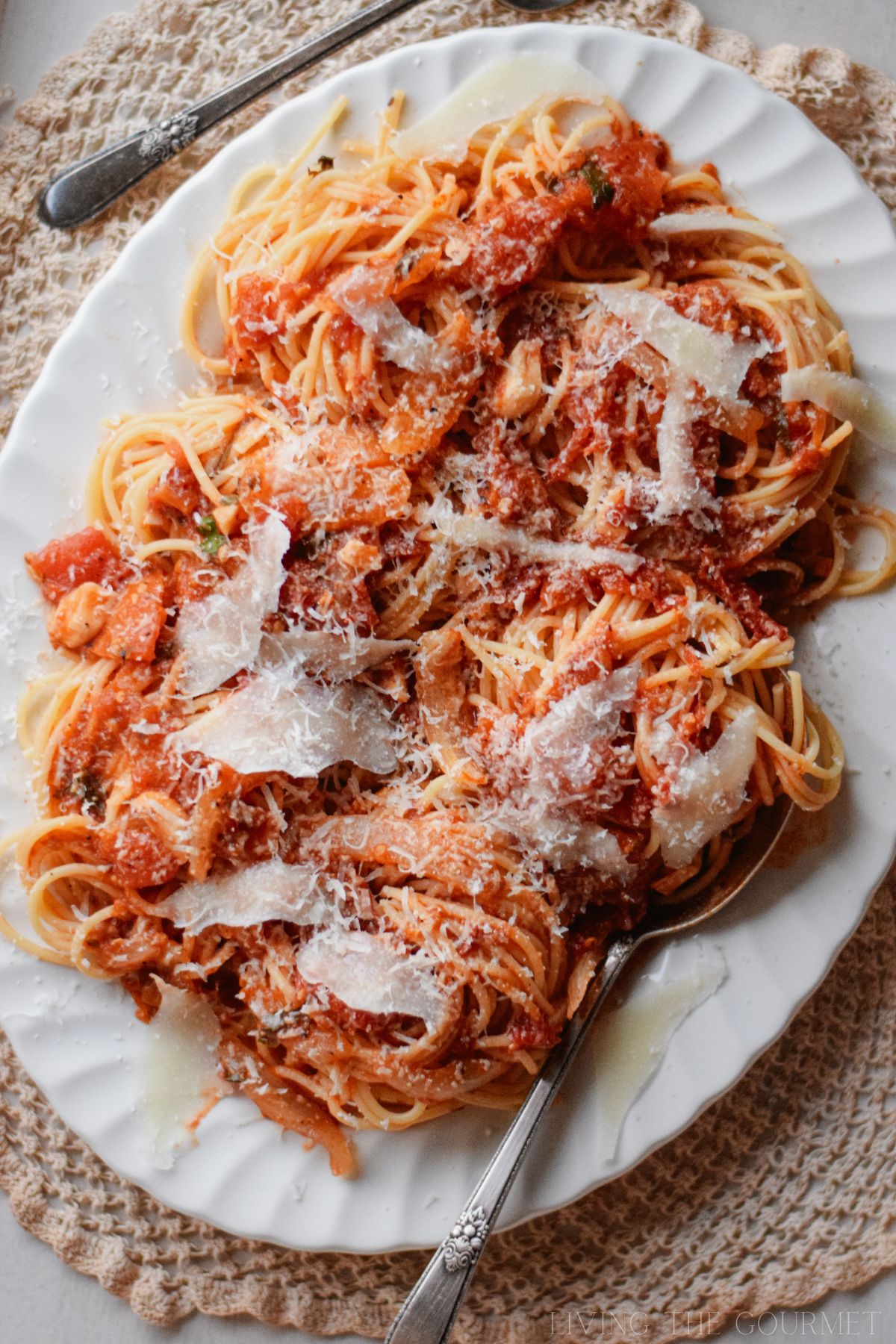
Quick Answer
Medium-bodied Italian red wines with high acidity are the best wines for tomato-based pasta dishes. The classic choices are Chianti, Sangiovese, Barbera, and Montepulciano d'Abruzzo. For lighter tomato sauces, consider Pinot Noir. For rich, meaty sauces like Bolognese, reach for a fuller-bodied red wine such as Nero d'Avola or Chianti Classico Riserva. In all cases, avoid heavily oaked or highly tannic wines, as these will clash harshly with tomato acidity.
Why Tomato Acidity Matters
The core rule of wine pairing with tomato-based pasta comes down to a single, simple principle: the wine's acidity needs to match or exceed the acidity of the sauce.
A wine that is less acidic than the tomatoes will taste flat or even flabby by comparison, effectively ruining not only the flavor but the texture of the wine. If the sauce is more acidic, then the sauce is essentially stripping the wine of its character. And this is true of all wine pairings, where if the food is cutting through the wine, rather than the wine cutting through the food, it's a bad pairing - full stop.
This is why Italian reds work so well. Italian winemaking traditions developed alongside Italian food, and the wines evolved to complement tomato-heavy cuisine. The naturally high acidity of Italian wine refreshes the palate between bites, rather than being overwhelmed by the sauce.
This is also why big Napa Cabernets, buttery chardonnays, and other low-acid wines struggle with tomato sauce, even when they're excellent wines on their own.
Pairings by Sauce Type
Simple Tomato and Basil (Marinara)
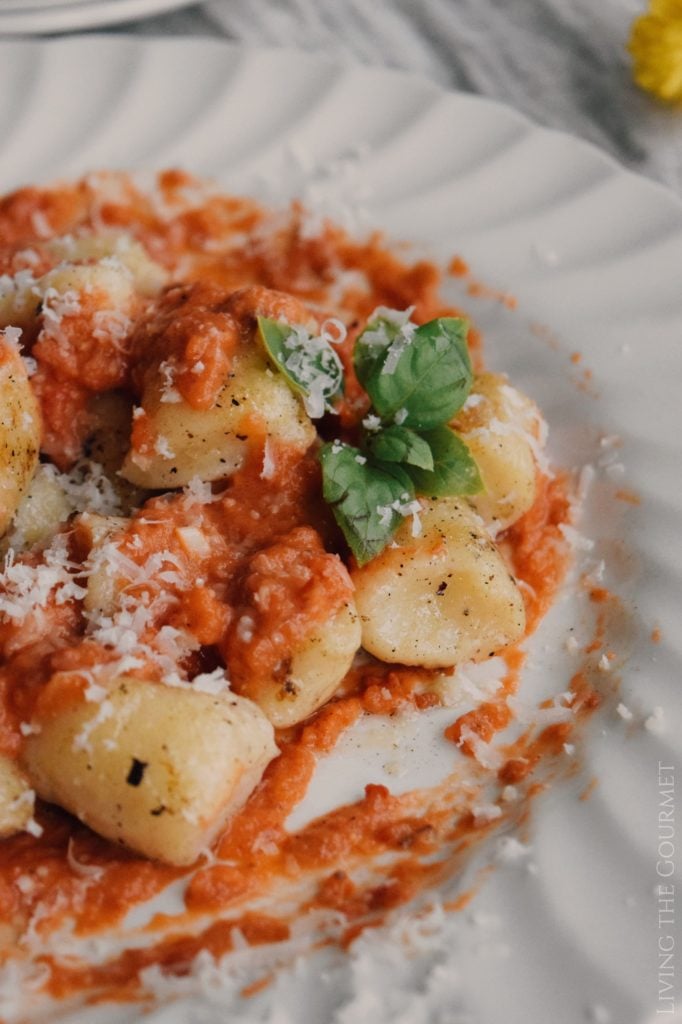
The lightness of a classic marinara requires a lighter wine. Chianti is the traditional pairing. Barbera or a lighter Sangiovese would also work beautifully. If you prefer white, a crisp Vermentino works well. A dry rosé would also handle the pairing excellently.
Puttanesca (with olives, capers, and anchovies)
This sauce is salty and briny, and therefore calls for a wine with significant structure and acidity. Sangiovese, Nero d'Avola, or a dry rosé all work excellently. Be mindful that the saltiness of the dish makes the wine taste sweeter and fruitier by contrast.
Bolognese or Meat Sauce
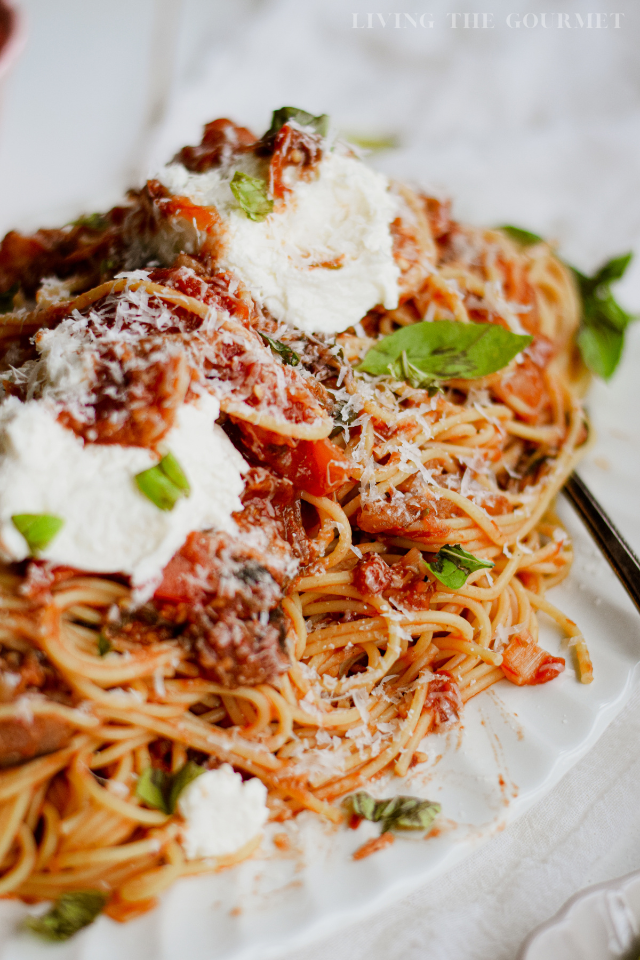
Meat sauces always require a fuller-bodied wine that can stand up to the richness of the meat. Chianti Classico Riserva, Brunello di Montalcino (if you want to spend a bit more), Barbera d'Alba, or Nero d'Avola are all excellent picks. These heavier, red sauces with lots of meat are where fuller-bodied Italian red wines earn their keep.
Vodka Sauce
The cream in vodka sauce mellows the tomato acidity significantly, which broadens the pairing options. A medium-bodied Sangiovese still works, but you can also reach for a Barbera, a Pinot Noir, or even an unoaked Chardonnay.
Amatriciana (tomato, guanciale, pecorino)
These sauces feature a good bit of pork fat and salty cheese, meaning they pair beautifully with Montepulciano d'Abruzzo, Sangiovese, or Cesanese. Traditional Roman pairings favor Cesanese, though Sangiovese is much easier to find.
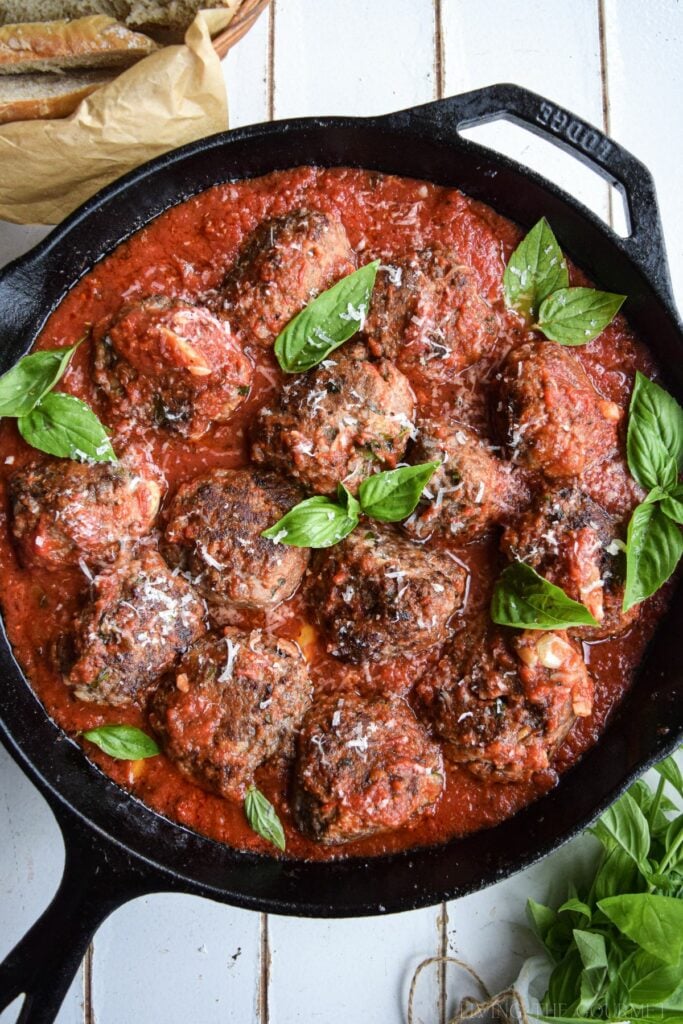
Pasta with Meatballs
Spaghetti and meatballs, the Italian-American classic, loves Chianti. That said, a Sangiovese, Barbera, or Montepulciano all work just as well. For a bolder pairing, consider a Primitivo or Nero d'Avola.
Tomato-based Seafood Pasta (fra diavolo, spaghetti al pomodoro con vongole)
Seafood in tomato sauce is always a challenge to pair. Generally, opt for a lighter, acid-driven red, such as a young Chianti, a light Sangiovese, or a Pinot Noir. You might also consider reaching for a crisp white wine with body, such as Vermentino or an unoaked Chardonnay. Rosé is also an option.
Baked Pasta (ziti, lasagna)
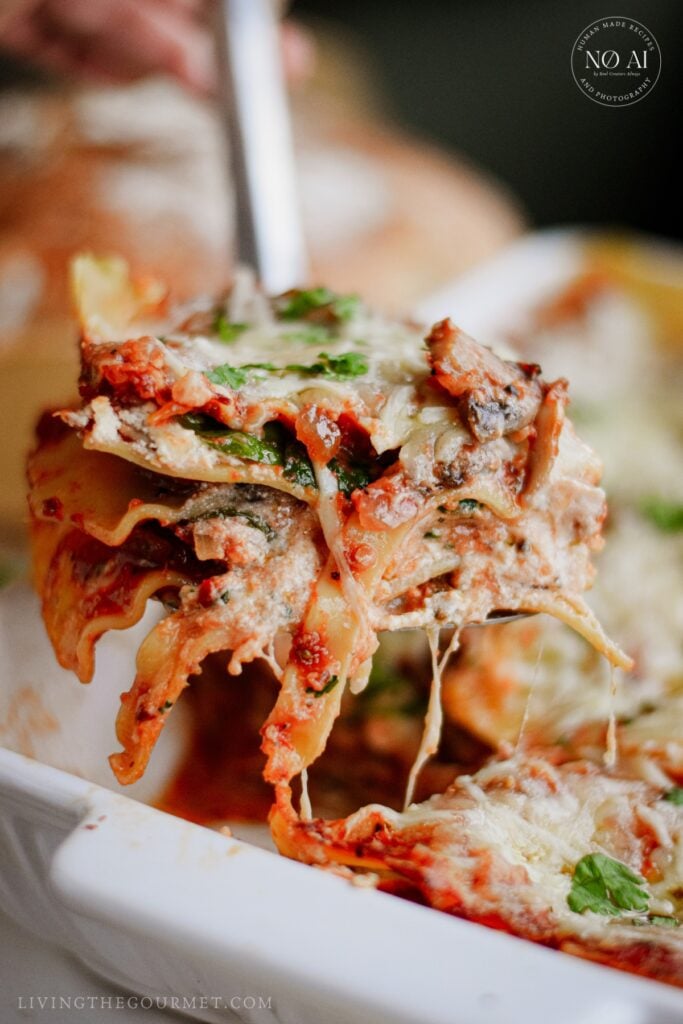
Baked pastas with tomato sauce, cheese, and meat call for a wine with real structure. Chianti Classico, Sangiovese, Nero d'Avola, or Primitivo all work well.
The Italian Rule
There is a saying in wine that "What grows together goes together." In essence, Italian wines and Italian food developed side by side for millennia, and thus the pairing logic of drinking Italian wine while eating Italian food runs deep. As such, when in doubt about what to pair with a tomato-based sauce, reach for an Italian red wine. That doesn't mean non-Italian wines never work. Zinfandel from California pairs beautifully with meat sauces, and Pinot Noir from various regions works great with lighter tomato sauces. However, if you want a reliable rule of thumb, Italian red wines pair deliciously with tomato-based pasta.
What to Avoid
- Heavily Oaked Chardonnay: The oak clashes irredeemably with tomato acidity. Save oaked chardonnay for cream sauces.
- Very Sweet Wines: Off-dry or sweet wines feel out of place with savory tomato pastas. Save them for spicy dishes or desserts.
- Sparkling wine with heavy sauces: Prosecco can work with a light marinara, but it gets overwhelmed by anything richer.
A Note on White Wine
Most tomato pasta pairing suggestions default to red, but white wine works better than many people think - especially with lighter sauces, seafood pastas, or in warm weather.
For the best of both worlds, opt for a dry rosé, which will often have enough acidity to cut through the tomatoes, enough body to stand up to the sauce, and a lightness that suits summer eating. Don't feel obligated to open a red wine just because the sauce is red.
The Bottom Line
For tomato-based pasta, reach for a medium-bodied Italian red wine with high acidity. Chianti, Sangiovese, Barbera, or Montepulciano d'Abruzzo are the classic pairings for tomato-based sauces. Adjust the weight of the wine to match the weight of the sauce. Lighter red wines for marinara, fuller-bodied red wines for Bolognese and baked pastas. Of course, when in doubt, an Italian red wine with an Italian sauce is rarely a mistake.
And that's our answer to what wine pairs with tomato sauce. If you enjoyed this article, or have any questions or suggestions, be sure to let us know in the comments below. We always love hearing from you!
Cheers!
Leave a Comment