
This post has been sponsored by Inkbird. All opinions expressed are my own.
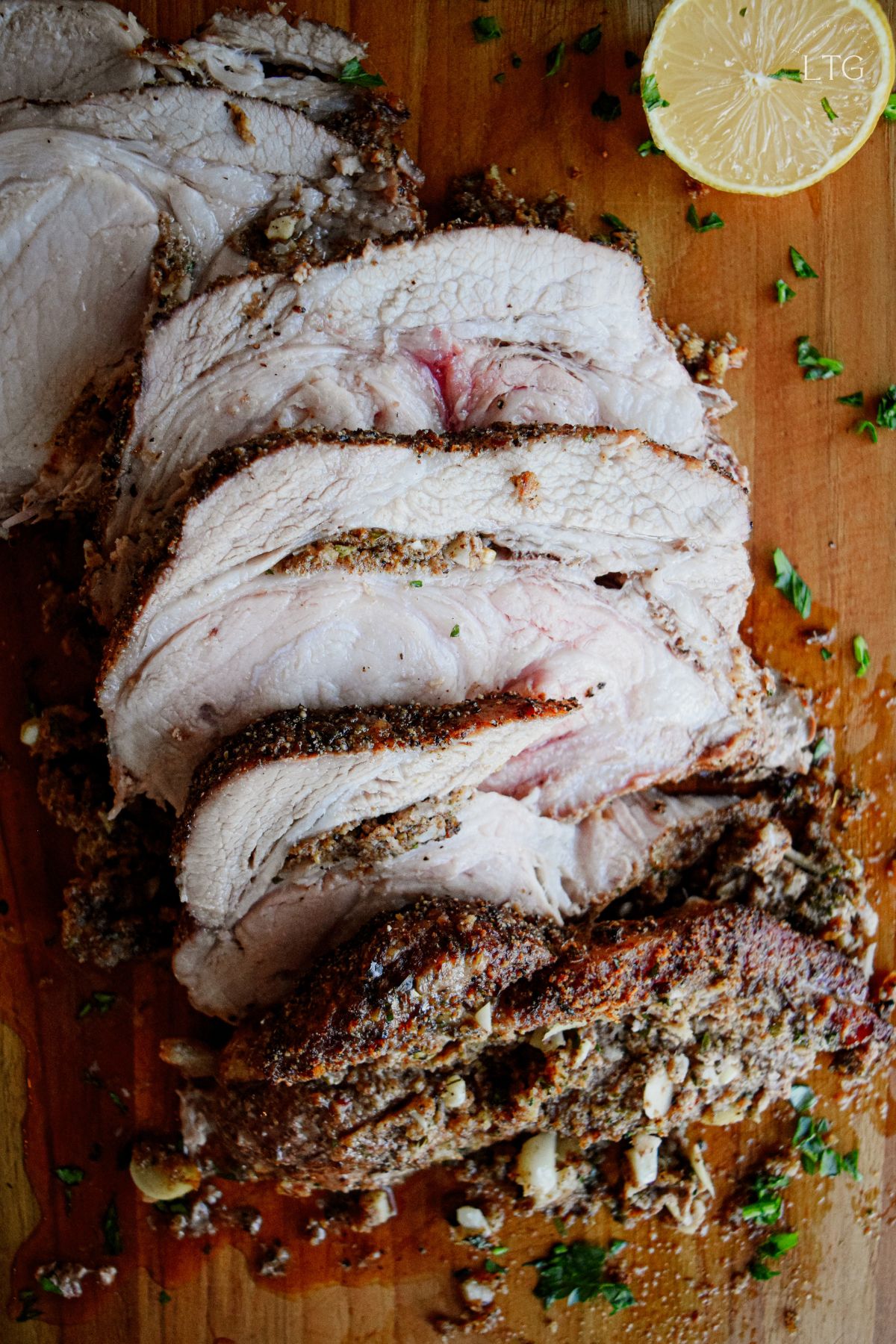
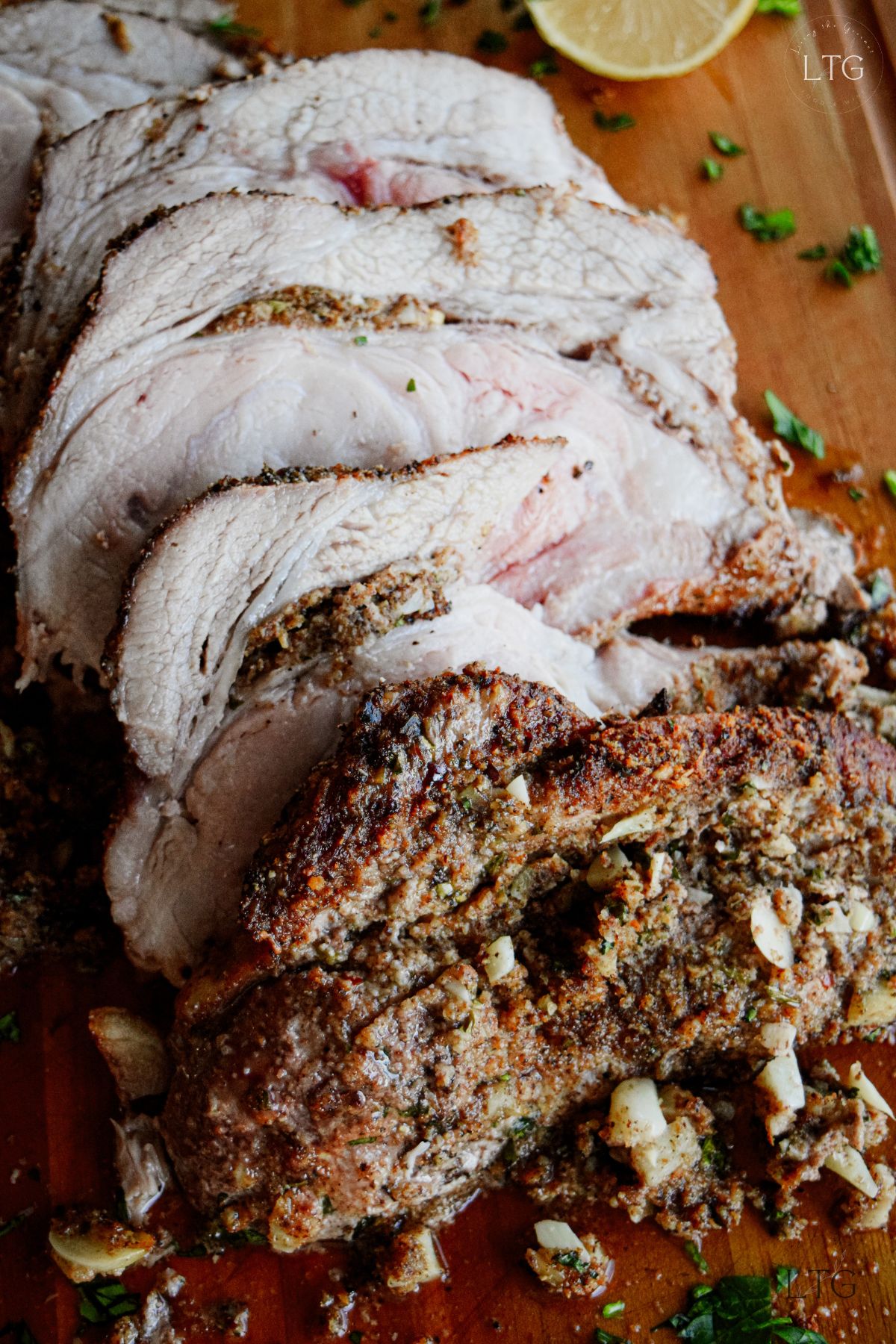
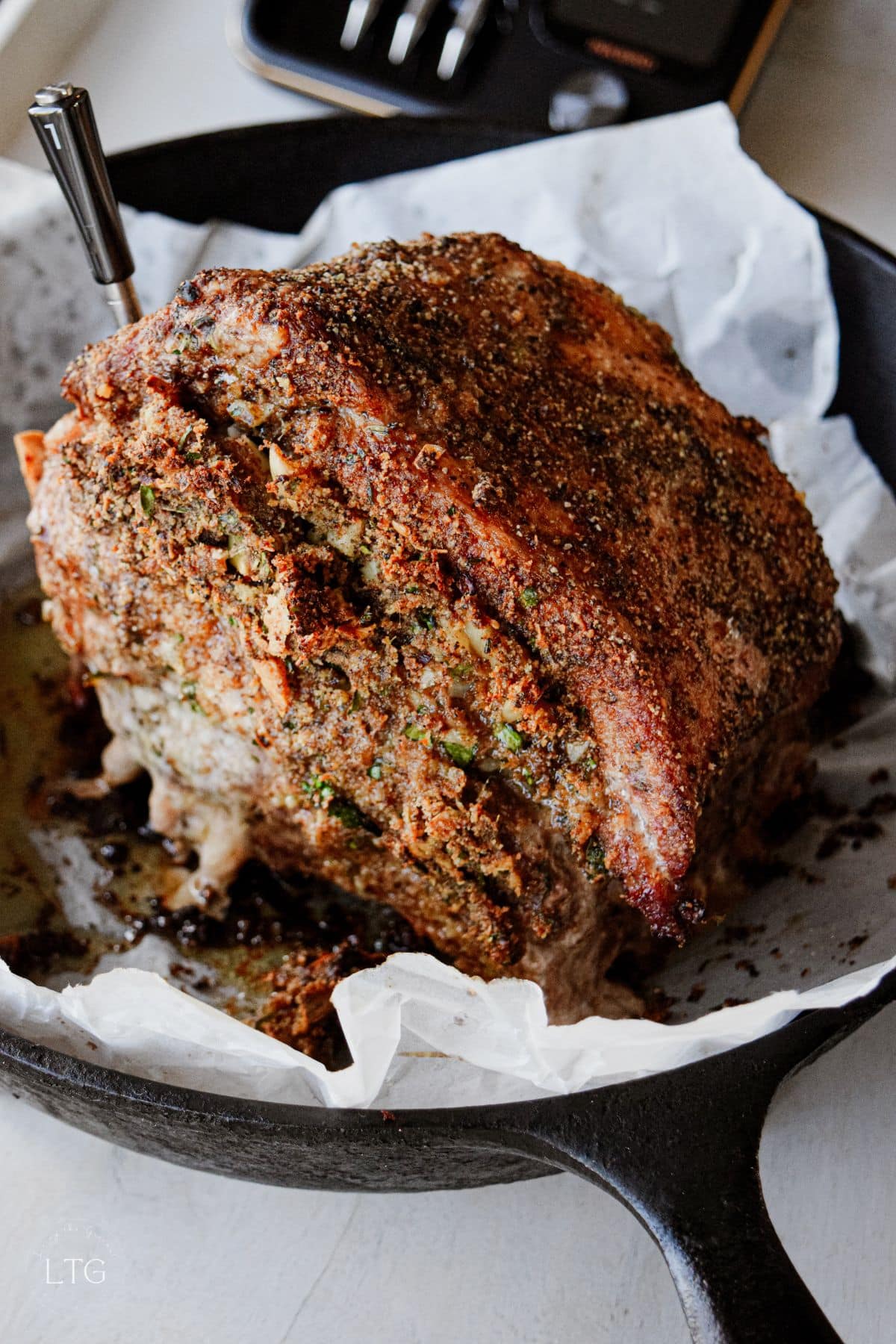
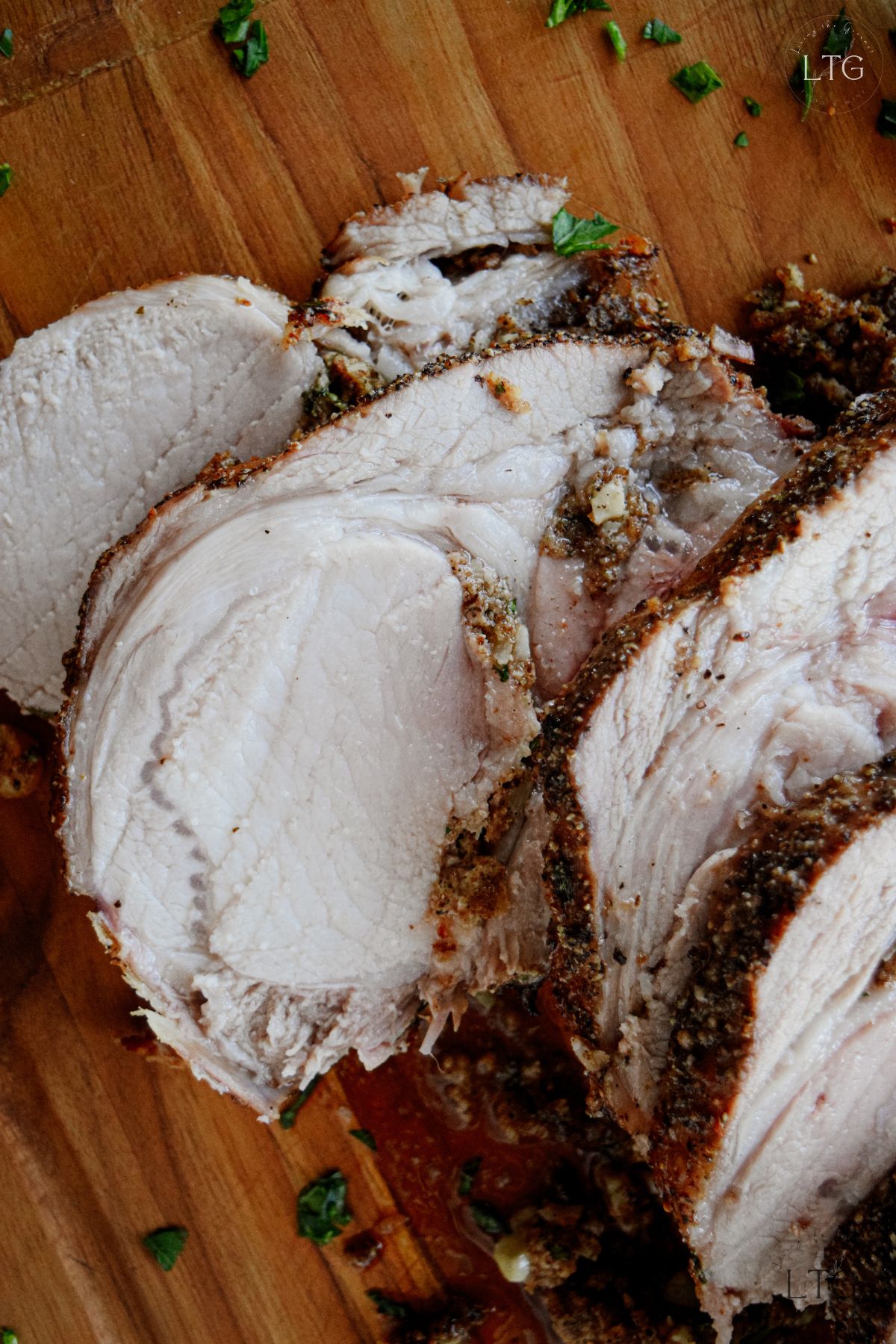
Today, we're making a Garlic and Herb Stuffed Rib End Pork Roast. This pork roast features a crispy, golden skin and the juiciest, most tender meat possible, stuffed with a mix of garlic, herbs, and panko. The addition of fresh lemon juice brings some bright acidity to help tie the flavors together, while a pinch of red pepper brings a subtle kick. None of this, however, would be possible without our new friends over at InkBird, whose Wireless Meat Thermometer takes all the guesswork out of roasting the pork.
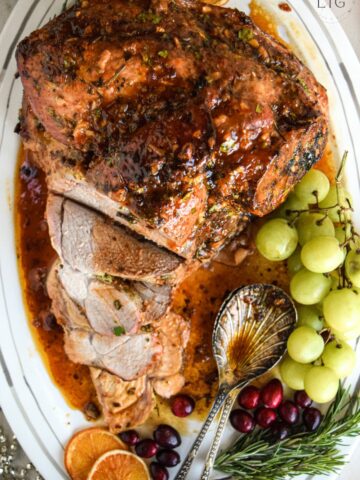
Whether as the centerpiece of your next dinner party or served as your next Sunday roast, our Garlic and Herb Stuffed Rib End Pork Roast is guaranteed to impress. Best of all, however, is the beautiful simplicity of this recipe. The most involved step in the process is stuffing the pork - but other than that, all we're doing is grilling some garlic, chopping the ingredients for the stuffing, and then mixing that with the panko. After that, we rub down the meat and set it in the oven with the InkBird Wireless Meat Thermometer.
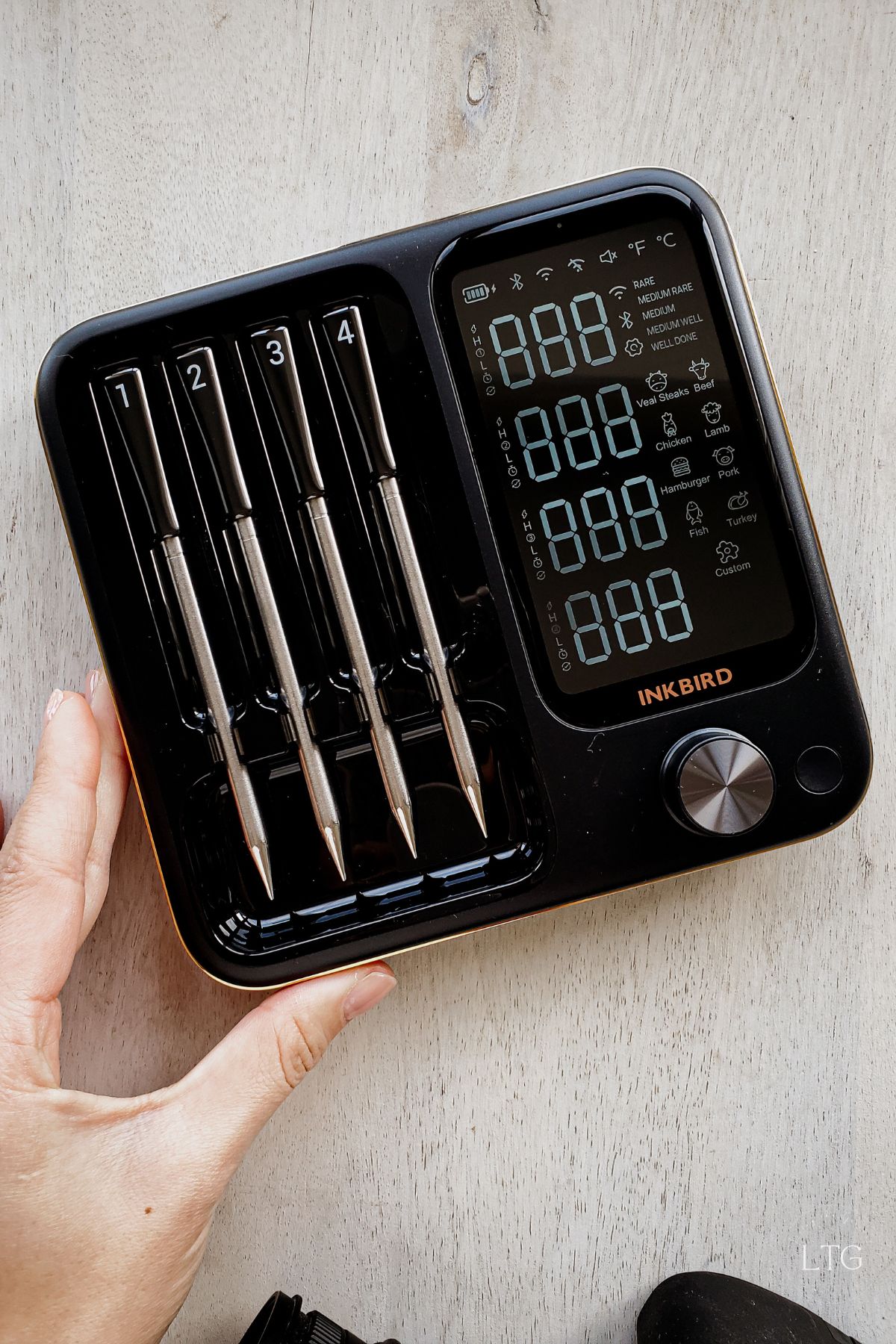
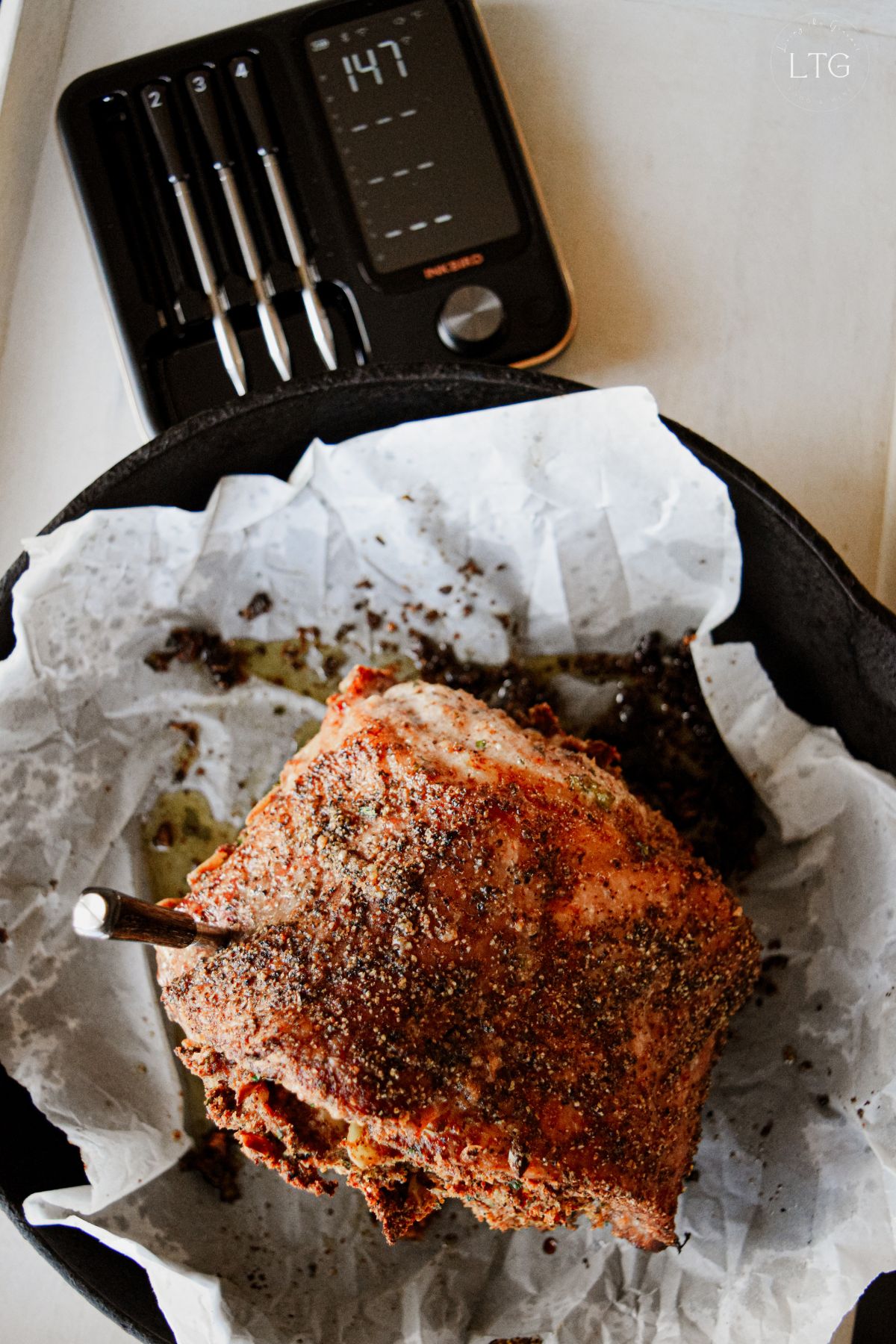
Remember, the key to the perfect pork roast is monitoring its internal temperature - but without opening the oven repeatedly. Opening the oven means letting out heat, which creates pockets of uneven temperature in the oven itself, which in turn leads to uneven cooking. For today's recipe, I'm using the InkBird Wireless Meat Thermometer to alert me when the roast reaches exactly 145°F. No guesswork, no overcooking, just perfectly juicy pork every time.
Now, without further introduction, let's roast some pork.
Garlic and Herb Rib End Pork Roast - Recipe Overview
Taste and Texture
Our garlic and herb stuffing is the cornerstone of the flavor profile, with the perfectly cooked pork acting as the base. The stuffing is a mix of grilled garlic, parmesan cheese, herbs, toasted panko, olive oil, and fresh lemon juice. We also have our back-to-basics rub, which we've prepared with olive oil, salt, and pepper. Fresh parsley brings some bright, herbaceous goodness, while the lemon juice brings some citrusy acidity. This contrasts nicely with the salty, umami notes from the grated parmesan. However, all of this comes tied together in a beautifully seasoned crust. The delectable crunch of the crust, contrasting with the juicy, meaty goodness of the pork itself, is where this recipe's magic really happens. To achieve an exterior that's perfectly crisp and golden, and meat that's moist and tender, you must get the cook time and temperature right, which is where InkBird's Wireless Meat Thermometer comes into play, but more on that below.
Recipe Difficulty Level
Intermediate. Handling a large piece of meat always takes a little finesse. Stuffing is tedious and can be messy. However, this is by no means a complicated recipe, and requires no advanced or complex cooking techniques. In addition, most of the prep time is hands-off.
Recipe Preparation Process
All told, this recipe takes about 90 minutes to two hours to prepare, with about 25 minutes of that being active prep work. We start by roasting the garlic (about 10 minutes), and then we toast the panko breadcrumbs and make the stuffing mixture (about 15 minutes). From there, we rub down the pork and then roast it. For roasting, aim for about 20-25 minutes per pound. For this recipe, the InkBird Wireless Meat Thermometer will be monitoring the internal temp of the roast remotely, freeing us up and streamlining the process. We're looking for an internal temperature of about 145 degrees F.
Pairings
- Potatoes: My go-to side for this pork would be potatoes, whether roasted, mashed, or baked.
- Fruit-Forward Sides: Apple compote, braised cabbage with apples, or cranberry chutney would all pair beautifully. These sides play to the subtle sweetness of perfectly cooked pork and provide contrast for the savory and herbal notes of the stuffing.
- White Wine: For a white wine pairing, we want to consider the recipe's lemon and garlic notes, and for that, we want a medium-bodied white wine such as Chardonnay or Viognier.
- Red Rine: If you prefer a red wine, opt for a pinot noir or Beaujolais, so as not to overpower the stuffing. A heavier red wine might even risk overpowering the pork itself. Remember, this is 'not' a heavy recipe, and that means heavier red wines are out.
More Great Pork Recipes
- Stuffed Pork Tenderloin: My most popular recipe here on Living the Gourmet is my Easy Stuffed Pork Tenderloin. This recipe features a butterflied pork tenderloin, which we've stuffed with a mix of Parmesan cheese, raisins, and plenty of fresh herbs. From there, we give it a quick sear in garlic and oil, and then roast it to golden perfection.
- Glazed Oven Roasted Pork Shoulder: A holiday favorite, but it also works for dinner parties year-round. This recipe features a garlic-and-herb crusted pork shoulder with an apricot glaze. This roast cooks up with a crisp, garlicy skin and a deliciously tender, moist interior.
- Slow Roasted Pork Butt: This is what I consider a quintessential pork recipe. This recipe produces a rich and flavorful roast, with a crispy crust that's both sweet and savory.
- Sous Vide Pork Tenderloin: Featuring our Inkbird's Wifi Sous Vide Machine, this beautifully cooked, delectably moist pork tenderloin is full of flavor and fuss-free.
Rib End Pork Roast - Ingredient Checklist
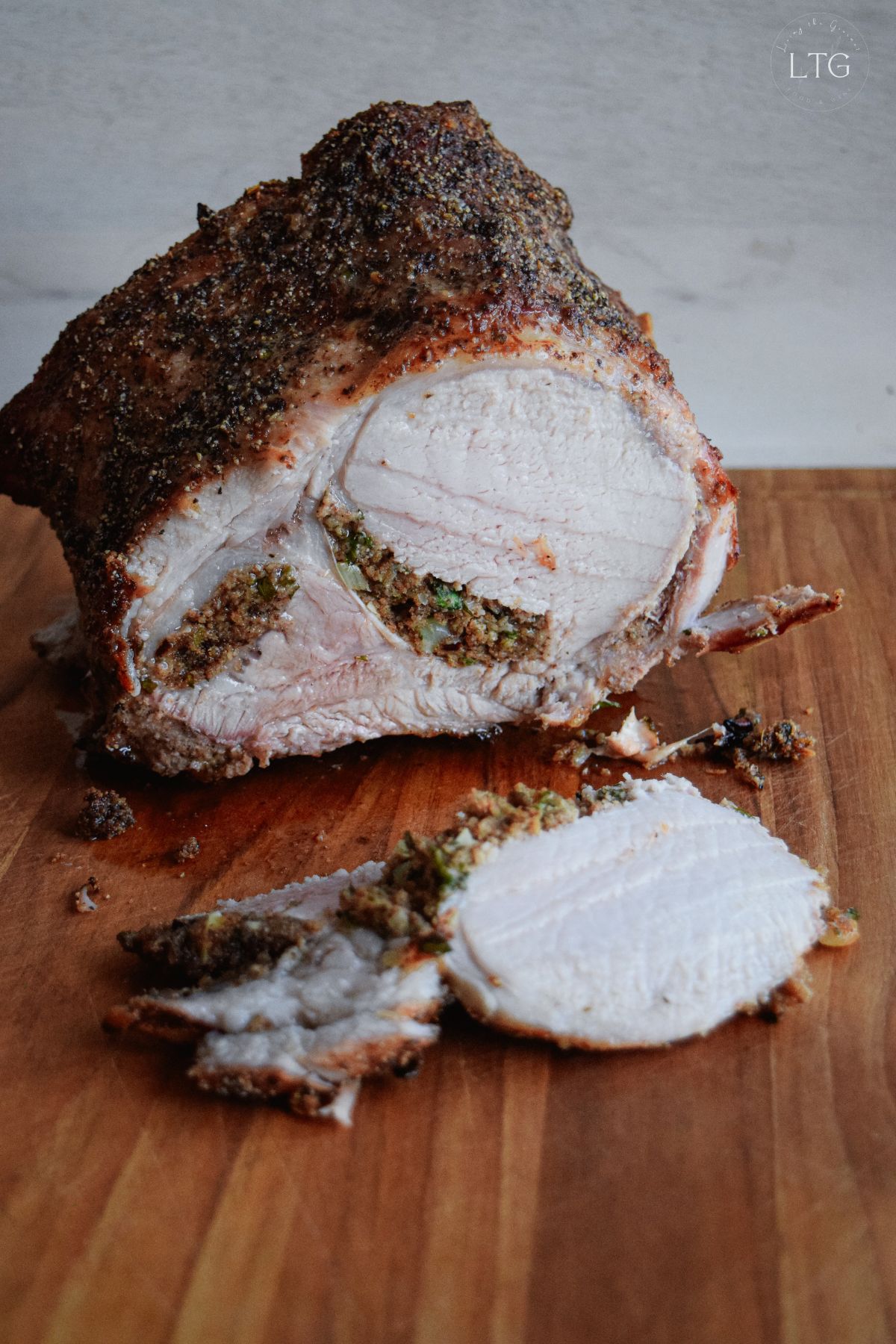
- 3.5 lb Rib-End Pork Roast
- Other Names: This cut can also be found labeled as pork loin rib roast and pork rack roast. It is available both with and without bones.
- Fat Cap: Choose a roast with lots of marbling and a good, thick fat cap. Fat is flavor and moisture.
- Bone-In or Boneless? This is a preference. Boneless roasts are easier to handle and cook faster, but bone-in roasts bring extra flavor and help the meat retain its juiciness. The bones also make for a nice presentation, in my opinion.
For the Rub
- 1 tablespoon Coarse Ground Black Pepper
- Coarse Grind: I say coarse ground primarily for the texture, but it does also bring a little extra aromatic depth, though this is a preference.
- Fresh Ground or Pre-Ground? I strongly recommend using fresh ground for the best aromatics. That said, you can certainly get away with using pre-ground.
- ½ teaspoon Salt
- Fine Salt: I would use fine-grain salt for this particular recipe.
- Too little salt? I'm only using half a teaspoon since there's a decent amount of salt in the grating cheesed. That said, feel free to adjust the amount of salt to meet your preference.
- 2 tablespoons Olive Oil
- Extra Virgin: I recommend using a decent quality extra virgin olive oil for this recipe, since we're using the olive oil as the base of the rub, meaning the olive oil flavor does come through.
- Substitute: If olive oil isn't available, my go-to substitute would be melted butter. That said, you can also use avocado oil or vegetable oil. Do note, however, that I believe olive oil gives the best results.
For the Stuffing
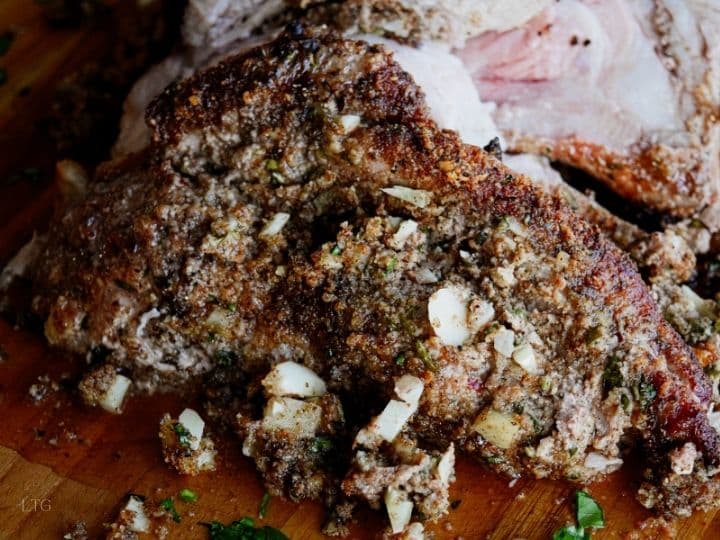
- ½ cup Panko Breadcrumbs, slightly toasted
- Pay Attention: Panko browns very quickly and tends to go from 'golden perfection' to 'burnt' the instant you turn away. Yes, I've learned this the hard way. As such, pay attention while toasting the panko.
- Why Panko? Panko provides a coarser, more textured consistency for the stuffing, as well as some nuttiness.
- Substitute: Regular breadcrumbs will get the job done just fine.
- 1 bulb of garlic, grilled
- The Whole Bulb: At the risk of stating the obvious, we're using the entire head of garlic, the whole bulb, not just a single clove. Yes, I've had people make this mistake.
- Why Grill the Garlic? Grilling the garlic helps to mellow its bite and bring out its natural sweetness and almost 'caramel-like' flavor.
- Don't Skip Grilling: If you skip grilling the garlic, the garlic will overpower the stuffing. Also, I find that the grilled garlic flavor simply works better with the pork itself.
- ¼ cup grated Parmesan or Romano Cheese
- Fresh Grated or Pre-Grated? Freshly grated cheese brings better flavor, since pre-grated cheese has lost a lot of its moisture. What we're looking for from the cheese is umami depth and nuttiness, and these qualities are very muted pre-grated.
- Substitutes: Any grating cheese will do. Asiago would be good, as would Grana Padano.
- ¼ teaspoon coarse-ground Black Pepper
- Coarse Grind: Here again, we're using coarse-ground black pepper primarily for added texture and warmth.
- Fresh Ground: As before, I do recommend using fresh ground pepper for the best aromatics.
- Substitute: Pre-ground will get the job done just fine.
- ¼ teaspoon Red Pepper Flakes
- Adjust to taste: Increase the amount for a spicier stuffing. Conversely, you can omit it entirely.
- Substitute: A pinch of cayenne pepper will do the trick, but will result in a hotter stuffing.
- 2 tablespoons Fresh Lemon Juice
- Freshly Squeezed: I strongly recommend using freshly squeezed lemon juice for the brightest acidity possible, as well as fresh citrus aromatics. The citrus and acidity work to bind the other flavors together.
- Substitute: Bottled will get the job done, but fresh really is worth the extra squeeze (pun intended). Wine vinegar would also work nicely, as would fresh lime juice.
- 3 tablespoons Olive Oil
- Use Quality Olive Oil: I say this a lot, but quality olive oil really does make a difference. In this case, the oil is being absorbed into the bread crumbs and forms a part of the flavor profile of the stuffing.
Optional Enhancements
- Fresh Herbs
- Garnish: Some fresh herbs for garnish, like rosemary, thyme, or sage, really help give a boost to the presentation.
- White Wine
- Deglazing the Pan: Your white wine of choice for deglazing the pan. Use about a quarter of a cup. Simmer until slightly reduced, then drizzle over the pork. This creates a simple pan sauce from the drippings. Scrape out the browned bits for maximum flavor.
Equipment You'll Need
- Large cast-iron frying pan
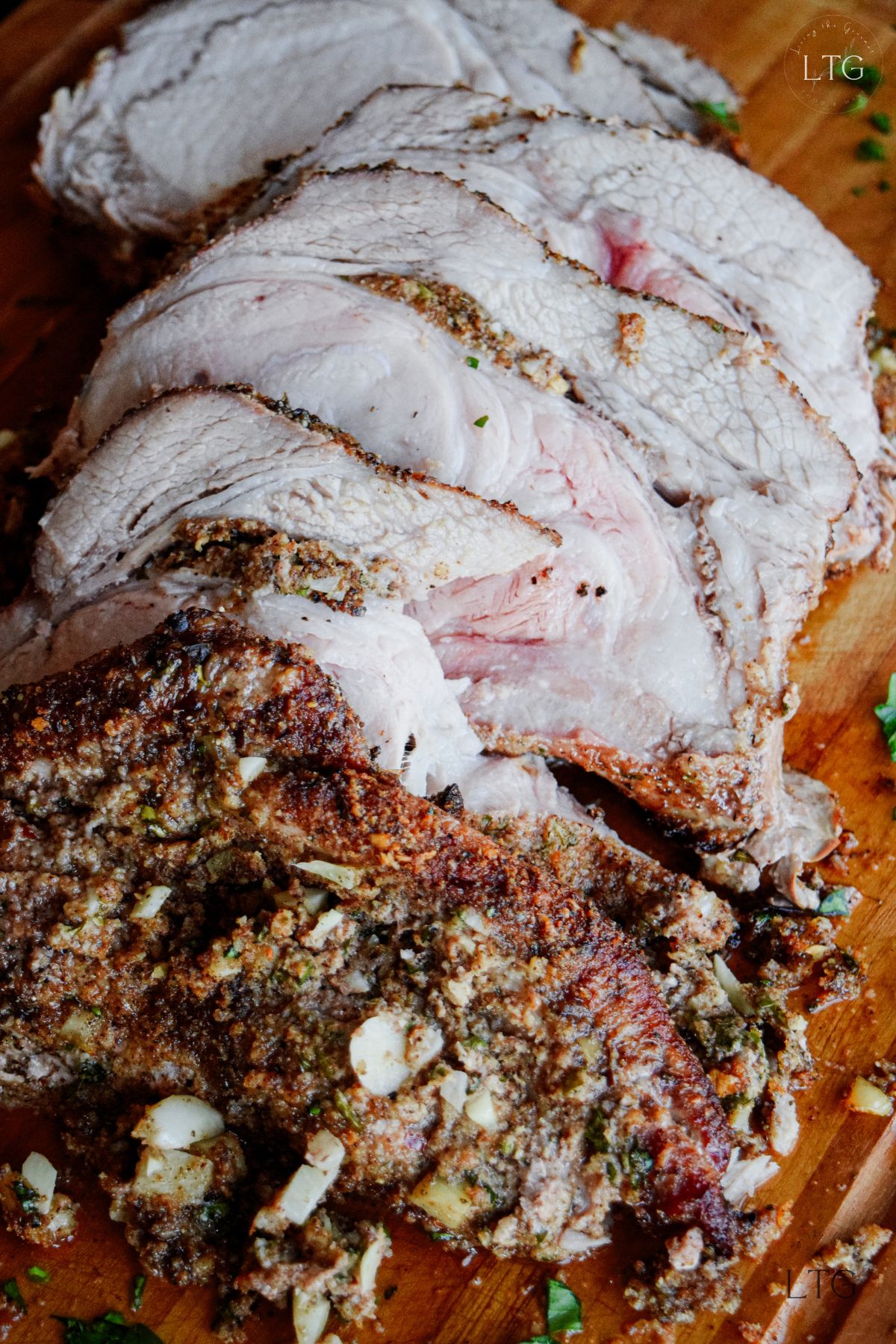
- Size: A 12-inch or larger cast-iron skillet or frying pan is what we're looking for, as pictured.
- Best Option: A cast-iron pan is the way to go, one that - and here I go stating the obvious again - is large enough to hold a 3.5 lb roast. As I like saying, learning how to use and maintain cast iron is by far one of the best skills you can acquire for the kitchen, since once you've got it down, nothing beats it. Cast iron provides excellent heat retention, while its heavy construction prevents warping at high oven temperatures
- Substitutes: Your oven-safe pan of choice will work just fine, as long as it's deep enough to collect the delicious drippings that we talked about earlier. My go-to alternatives would be a heavy roasting pan, an oven-safe stainless-steel skillet, or a disposable aluminum roasting pan.
- Parchment paper for lining
- Ultimate Kitchen Hack: Parchment paper is my ultimate kitchen hack, as nothing makes cleanup quicker or easier than a sheet of parchment. I use it to line everything, from pizza pans to cookie sheets, and yes, even roasting pans.
- Why Use Parchment: For this recipe, parchment makes transferring the roast to a cutting board much simpler. We simply lift out the parchment with the roast. As a nice bonus, parchment also prevents any stuffing that falls out of the roast from burning on the pan bottom.
- Substitute: Aluminum foil (lightly greased) - but aluminum tears much more easily than does parchment paper. Conversely, you can omit the parchment entirely and grease the pan.
- InkBird Wireless Meat Thermometer
- The Secret To Perfectly Cooked Meat: Precise timing and precise temperature control are key to a perfectly cooked pork rib roast. If you want crispy skin, a juicy interior, and tender meat, you need to get the timing and temperature right - full stop. And the InkBird Wireless Meat Thermometer is how we take the guesswork out of the equation. Let me explain.
- How to Use: We begin by inserting the probe into the thickest part of the roast - but avoid the bone and fat. We then set a target temperature of 145 degrees f. From there, the wireless feature allows for remote monitoring via a smartphone app or receiver (I'm personally using the receiver, as pictured). This eliminates guesswork and prevents overcooking or undercooking, as the receiver alerts you when the roast is approaching the target temperature, and then again once it reaches the target temperature.
- No Fuss: This completely removes the need to repeatedly open the oven, check the meat, and lose heat, and makes cooking large roasts foolproof and stress-free.
- Small cast-iron frying pan (for toasting and grilling)
- For Frying: We need a small pan for toasting the panko and grilling the garlic. Simple
- How large? A simple, 6-8-inch skillet is all we're looking for, preferably one with a heavy bottom.
Garlic and Herb Stuffed Rib End Pork Roast
- Prep Time: 15 minutes
- Cook Time: 1 hour 30 minutes
- Total Time: 1 hour 45 minutes
- Yield: 4 servings 1x
- Category: Main Dish
- Method: Roasting
- Cuisine: Italian
Ingredients
- 3.5 lb. rib-end pork roast
- Large cast-iron frying pan
- Parchment paper for lining
For the Rub:
- 2 tsps. of coarse ground black pepper
- 1/2 tsp. salt
- 1 tbs. olive oil
For the Stuffing:
- 1/2 cup of plain bread crumbs or panko bread crumbs, slightly toasted
- 1 bulb of garlic, grilled
- 1/4 cup of grated Parmesan or Romano cheese
- 1/4 tsp. coarse-ground black pepper
- 1/4 tsp. red pepper flakes
- 2 tbs. fresh lemon juice
- 1/4 cup of fresh Italian parsley, chopped
- 3 tbs. olive oil
Instructions
- In a small dish, whisk together the ingredients for the rub. Set aside.
- Preheat oven 350 degrees F.
- Next, prepare the stuffing. In a small cast-iron frying pan, gently toast the panko crumbs.
- Place the whole garlic bulb in a small dry cast-iron pan and let the skin become slightly charred.
- Let the garlic cool, then remove its skin and gently mash.
- Place the garlic, chopped parsley, black pepper, red pepper, lemon juice, olive oil, and cheese in a small bowl and stir.
- Add the toasted bread crumbs or panko and stir.
- Push the stuffing into all of the crevices of the pork.
- Rub the skin of the pork with the prepared rub.
- Place the pork in the oven and cook for 20-25 minutes per pound or until the internal temperature reaches 145 degrees F. when inserted into the thickest part of the roast.
- Let the pork rest for 8-10 minutes before slicing.
- Serve and enjoy!
And that's our Garlic and Herb Stuffed Rib End Pork Roast. If you enjoyed today's recipe, or have any questions or suggestions, be sure to let us know in the comments below. We always love hearing from you. And, of course, be sure to check out InkBird's Wireless Meat Thermometer.
Happy Cooking!
1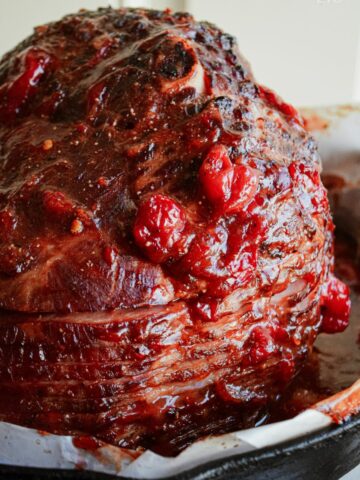

Sandhya Ramakrishnan says
This is a wonderful recipe choice for weekend family dinner! The grilled garlics bring out a lot of flavor.
Amy says
This is a beautiful presentation for a dinner party, but easy enough for a weeknight. My family loved every bite!
Catalina says
I cooked this for Sunday dinner and it was so tender. The garlic and herbs added great flavor!
Ben says
I loved how tender and juicy this was on the inside and that nice crust on the outside. Good stuff.