
Most white wine is served too cold. Restaurants tend to over-chill it, and home refrigerators keep it much colder than is ideal. The idea that "colder is better" means that most people are missing out on the same flavor and aroma that they paid for. Getting the temperature right is one of the easiest ways to make white wine taste noticeably better.
Jump to:
Quick Answer
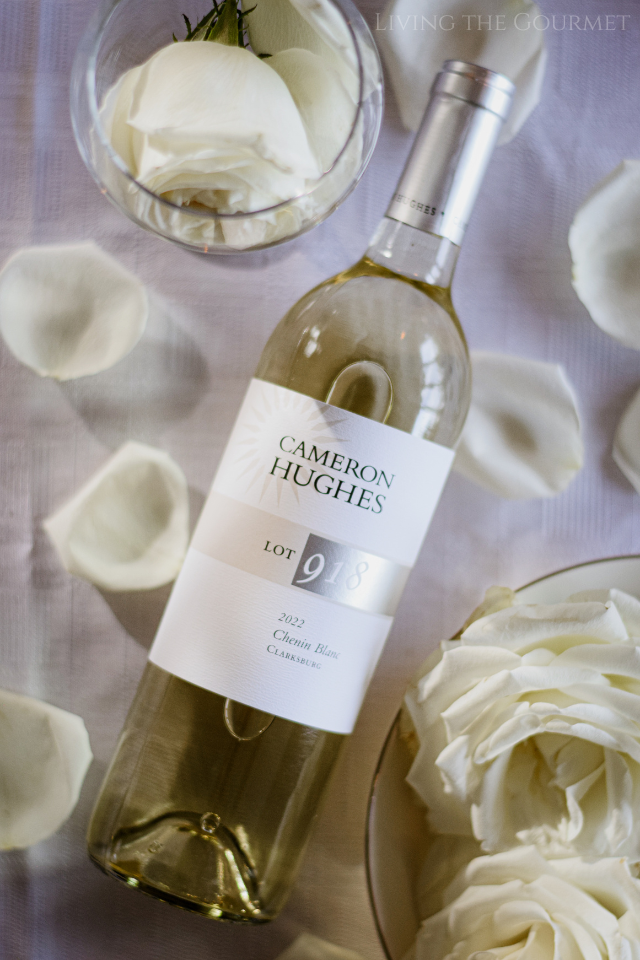
White wine should generally be served between 45°F and 55°F, depending on the style of the wine. If the wine is light and crisp, such as a Savuginon Blanc or a Pinot Grigio, it should be served around 45-50 degrees f. Fuller-bodied white wines, such as oaked Chardonnay and Viognier, should be served around 40-50°F. A standard refrigerator (about 35-38 °F) is simply too cold for these wines. As such, pull the bottle out around 15-20 minutes before serving to let it warm slightly.
Why Temperature Matters so Much
When wine is served too cold, its aroma and flavor are suppressed. The compounds that give wine its character - esters, phenols, aromatics - are volatile. This means that they release more actively into the nose and palate at higher temperatures. If wine is served too cold, those compounds are simply shut down, or rendered inert. As such, what reaches your senses is a muted, one-dimensional version of the wine you actually opened.
However, if wine is served too warm, it develops the opposite problem. If the wine is too warm, the alcohol becomes the prominent quality, and the resulting heat drowns the flavors and aromatics, causing the wine to taste flabby and unfocused.
The sweet spot for each style is narrower than most people realize, and hitting that sweet spot makes a real and noticeable difference - even for casual consumers.
Temperature by Wine Style
Sparkling Wines (Champagne, Prosecco, Cava): 40-45°F
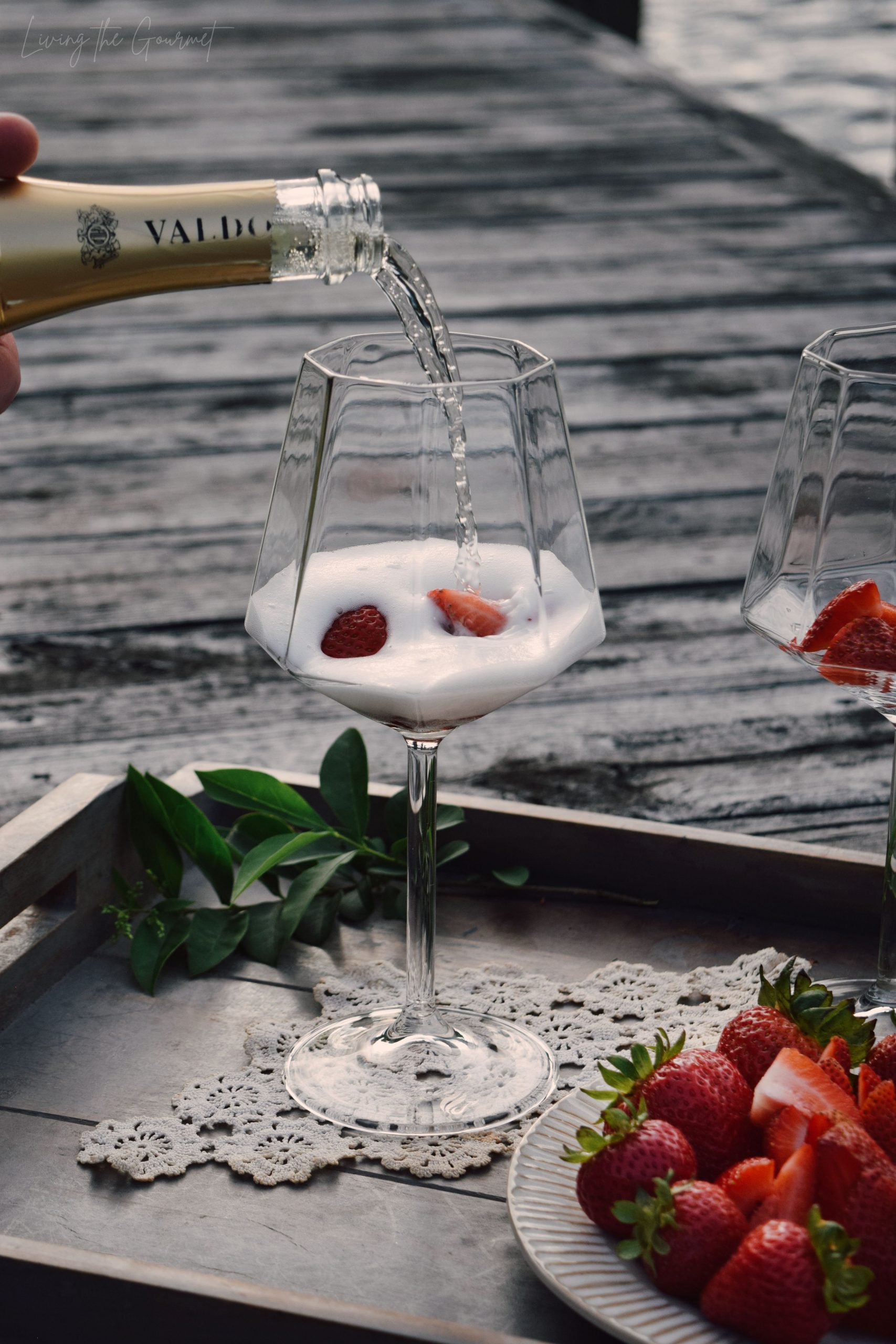
Sparkling wines are best served cold, as cold temperatures preserve carbonation and provide the crisp, refreshing character that sparkling wine is most prized for. Serve these wines straight from the fridge.
Light, Crisp White Wines: 45-50°F
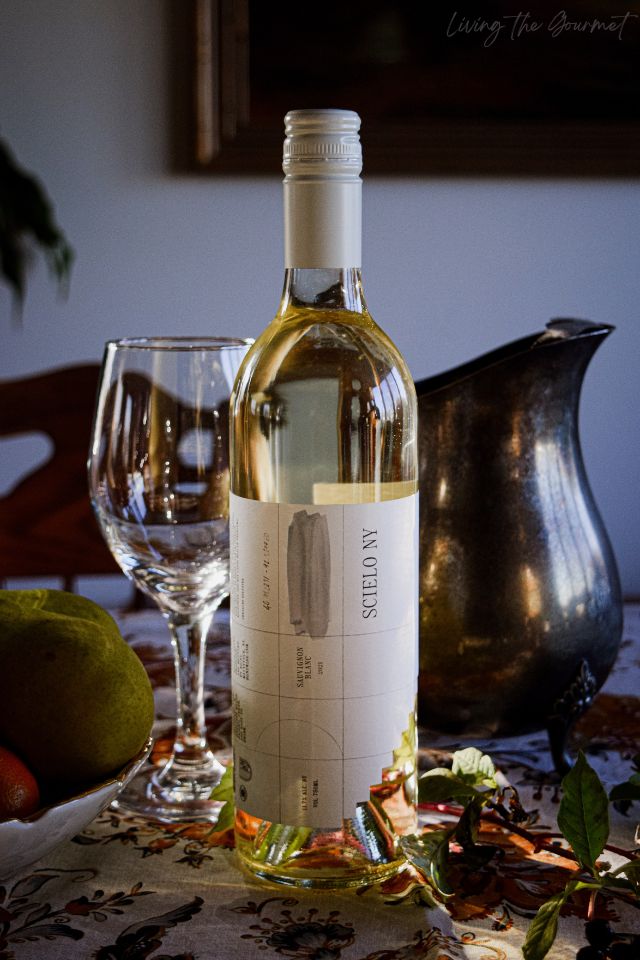
Light white wines, such as Sauvignon Blanc, Pinot Grigio, Vermentino, and Albarino, benefit from cold temperatures that help emphasize their acidity and freshness. Take these wines out of the fridge roughly 10-15 minutes before serving.
Aromatic White Wines: 45-50°F
Aromatic white wines, such as Riesling, Gewürztraminer, or Viognier, require enough chill to keep their aromas focused, but they also need enough warmth to let those aromas express themselves. Similar to light white wines, take the wine out of the refrigerator about 10-15 minutes before serving, and let it breathe during that time.
Full-Bodied White Wines: 50-55°F
Full-bodied white wines, such as oaked Chardonnay, white Burgundy, or Rhône whites, require more warmth to show their full complexity. Serving them refrigerator-cold blunts the oak and butter, and mutes the richness that defines this style of white wine. I recommend pulling the bottle from the fridge about 20-30 minutes before serving.
Dessert Wines: 45-50°F
Dessert wines, such as Sauternes, ice wine, and late-harvest Riesling, are best served somewhat cooler than fuller-bodied dry white wines. The cold helps to balance the sweetness and prevents these wines from tasting cloying.
Rosé: 45-50°F
Roughly the same rules as light white wines. Serve chilled, but not ice-cold.
The Refrigerator Problem
Home refrigerators generally run around 35-40°F. This is too cold for almost every type of white wine - except perhaps sparkling white wines. With that said, white wine served straight from the fridge is certainly drinkable, but it is muted. You're missing perhaps 10-20% of the flavor and aroma the wine has to offer, but even then this is only true until the wine has warmed somewhat.
- The 20-Minute Rule: If you're pulling white wine directly from the refrigerator, let it sit at room temperature for 15-20 minutes before serving. For fuller-bodied whites, 20-30 minutes is better. This small step significantly improves the wine.
- The Wine Fridge Alternative: For dedicated wine enthusiasts, investing in a wine fridge is often a solid choice, and will solve the temperature problem entirely, as wine fridges run between 45-55 degrees F. If you drink wine regularly, or host regular dinner parties, this is one of the best investments a home wine drinker can make - though it is likely overkill for anyone else.
Quick Chilling: When You Forget
We've all been there - the dinner party is going great, and you've run out of chilled wine, or the guests arrive unexpectedly, and the only wine available has been sitting out at room temperature. Fortunately, serving flabby, room temperature white wine is not your only option. Here are a few tricks to get your wine to serving temperature within minutes.
- Ice Bucket with Water and Salt: 15-20 Minutes
- This is the fastest method, but requires ice and a bucket. Fill a bucket with equal parts ice and water, add a large handful of salt (which lowers the water's freezing point and speeds cooling), and then submerge the bottle up to the neck. Rotate occasionally. This will chill a warm bottle to serving temperature in about 15 minutes, dramatically faster than a freezer or a refrigerator.
- Freezer: 25-35 Minutes
- The freezer works, but I do suggest setting a timer, as if you leave the bottle in too long, it will in fact freeze and then crack. For most wines, 20-35 minutes in the freezer will bring a room-temperature bottle to serving temperature.
- Refrigerator: 2+ Hours
- Reliable, but slow. If you know you'll want white wine for a party or a special dinner, put the wine in the fridge the night before.
- Ice Cubes in the glass: Don't do it.
- Ice waters down the wine as it melts. If you need to cool wine already in the glass, use frozen grapes or specialized stainless steel wine cubes.

Signs the Temperature is Off
Trust your palate. The right temperature is the one where you can taste and smell the wine clearly, and it feels balanced.
Signs the Wine is Too Cold
Wine that is too cold tastes muted, one-dimensional, or unexpectedly acidic. Aromas are often harder to detect. Give the wine 10-15 minutes in the glass to warm up, and the flavor will open significantly as the temperature rises.
Signs the Wine is too Warm
For wine that is too warm, the alcohol becomes prominent, and the wine tastes heavy or unfocused and doesn't feel refreshing. Return the bottle to the refrigerator or an ice bucket for 10-15 minutes.
A Note on Restaurant Wine Service
Many restaurants over-chill their white wine as a default, and requesting that it be served slightly warmer (especially if it feels too cold in the glass) is completely reasonable. Specifically, you can ask for the wine to be pulled from the ice bucket for a few minutes. Good restaurants will understand immediately.
Conversely, if the wine is too warm, ask for an ice bucket. The staff will not judge you; they'll appreciate that you care about the quality of the wine.
Bottom Line
Most white wines are best served between 45°F and 55°F. Light white wines and sparkling wines belong at the cooler end; fuller-bodied white wines belong at the warmer end. Refrigerator temperature is almost always too cold. Give the bottle 15-20 minutes out of the fridge before serving. Small adjustments in temperature make a real and noticeable difference in what you actually taste.
And that's our answer to how cold white wine should be served. If you enjoyed this article, or have any questions or suggestions, be sure to let us know in the comments below. We always love hearing from you!
Cheers!


Leave a Comment