
The following message is intended for those 21+. All opinions expressed are my own. Please enjoy responsibly.
Across vineyards the world over, two grapes stand as titans of modern wine culture - Cabernet Sauvignon and Shiraz (Syrah). The full-bodied wines produced from these most popular grape varieties have become favorites not only amongst enthusiasts and critics but amongst consumers as well. Indeed, wine lovers around the world express near-universal love for the vintages produced by these red wine grapes.
The question that arises, of course, is why? And the answer to that question is what we're setting out to explore here today.
First, we'll take a look at Cabernet Sauvignon, which is often hailed as the "King of Grapes." A title so overused when discussing cabernet sauvignon that it has become positively cliché. This varietal boasts an illustrious lineage originating in the Bordeaux region of France but has since rocketed to prominence across South America, the United States, and Australia. These grapes thrive in well-drained soils and are cultivated in varied and diverse wine regions worldwide.
From the sun-kissed vineyards of Napa Valley to the slopes of Bordeaux to the vast expanses of Australia's Coonawarra, Cabernet Sauvignon vines readily adapt to a wide range of climates. However, it's worth noting that the cabernet sauvignon grape positively revels in warm climates, and prefers aging in oak barrels to more 'modern' steel-tank methods. These qualities combine to bestow cabernet sauvignon wines with a full body, high tannins, and an unmistakable flavor profile marked by notes of blackcurrant, plum, and (oftentimes) a hint of green bell pepper.
On the other side of the spectrum stands Shiraz.
Originating in France as Syrah, this robust varietal has risen to prominence in regions like the Rhône Valley in France and the vast landscapes of Australia. It flourishes chiefly in warmer climates, where Shiraz grapes produce wines that exude power and intensity. For example, Shiraz grown in the lush valleys of Barossa produces wines with bold flavors of blackberry, plum, red fruits, and the varietal's signature peppery spice.
But what really sets these wines apart? What foods do they pair best with? And what regions are most renowned for producing wines from these grapes? That's what we're setting out to explore today. So, without further delay, let's get to it.

Cabernet Sauvignon vs Shiraz - A Brief Comparison
Before we cover which regions are most renowned for producing cabernet sauvignon and shiraz, let's delve into what makes these two types of wine unique, and how they compare to one another.
Cabernet Sauvignon:
- Flavor Profile: Cabernet Sauvignon is perhaps best known for its full-bodied nature and robust flavor profile. It often features dark fruit flavors such as blackcurrant, blackberry, and plum. Secondary notes can include green bell pepper, mint, and cedar.
- Aromas: Cabernet's aromas are typically quite complex and varied, with a mix of fruit, herbal, and sometimes floral notes. Cabernet Sauvignon wines can also exhibit hints of tobacco, vanilla, and, with aging, may develop cedar or cigar box nuances.
- Terroir Impact: Though Cabernet Sauvignon can flourish almost anywhere, it is nevertheless highly sensitive to its terroir. It thrives in well-drained soils, and variations in climate and soil composition can significantly impact the wine. In Bordeaux, for example, the gravelly soils contribute to wines with structured tannins and pronounced fruit.
Shiraz / Syrah:
- Flavor Profile: Shiraz tends to be bold and fruit-forward. It features lush, ripe fruit flavors such as blackberry, raspberry, and sometimes blueberry. Depending on the region, it can also showcase spicy notes like black pepper and savory elements.
- Aromas: Aromas in Shiraz are often intense and can include a mix of dark fruit, black pepper, and sometimes smoky or meaty notes. With age, Shiraz wines might develop additional complexity, including leathery and earthy aromas.
- Terroir Impact: Similar to Cabernet Sauvignon, shiraz is known for its adaptability to different terroirs. It does, however, thrive in sunny climates, and the terroir can influence the wine's character. For instance, in cooler climates, Shiraz can display more vibrant acidity and a peppery character.
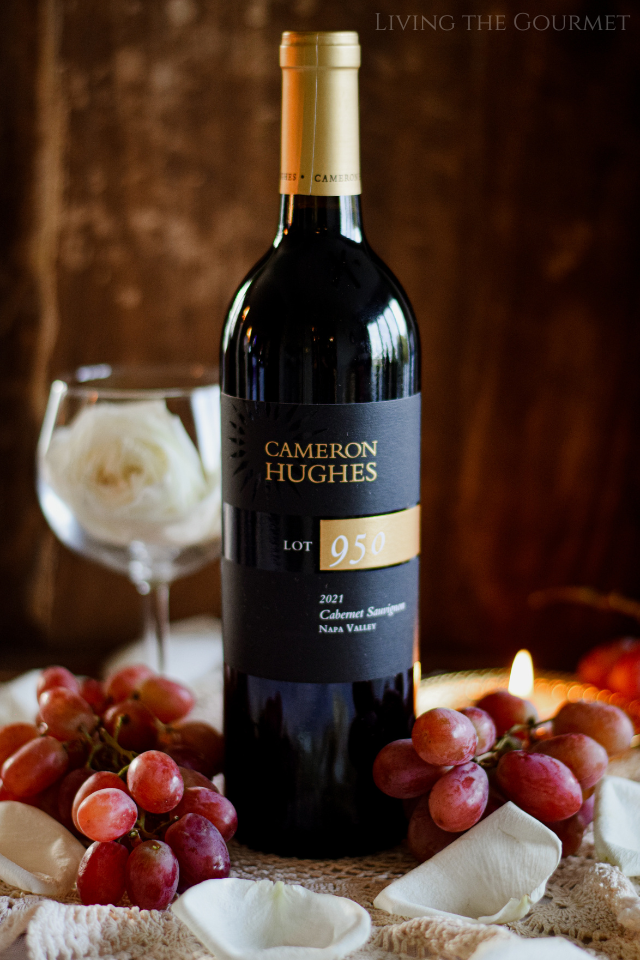
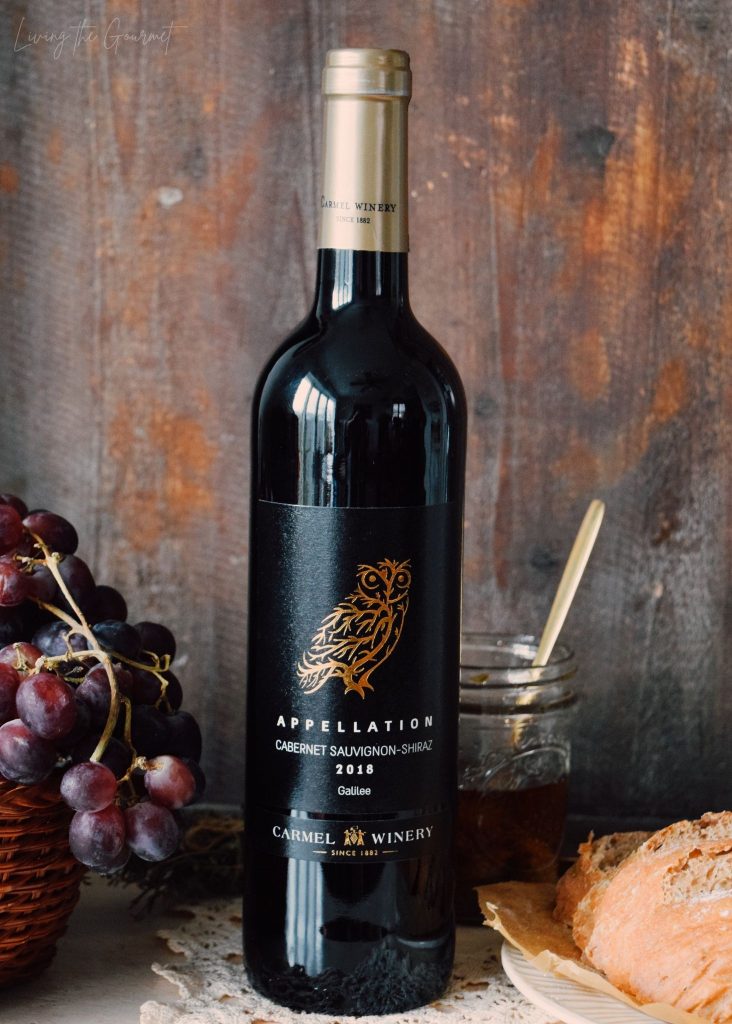
General Comparisons:
- Tannins: Cabernet Sauvignon generally has firmer tannins compared to Shiraz. This contributes to the structure and aging potential of Cabernet Sauvignon wines.
- Acidity: Depending on the region, Cabernet Sauvignon might have higher acidity compared to the smoother, more approachable acidity often found in Shiraz.
- Aging: Both varietals can benefit from aging, but Cabernet Sauvignon is often considered more age-worthy due to its higher tannin levels. This is especially true of high-end, or boutique-produced cabernet sauvignon.
Terroir Considerations:
- Bordeaux vs. Rhône: In Old World regions, Cab Sav is a key player in Bordeaux blend wines, where its primary contribution is a full-bodied structure. Shiraz is a major grape in the Rhône Valley, especially in regions like Hermitage and Côte-Rôtie, where it produces powerful, spicy wines.
- New World Regions: In regions like Australia and California, both grapes are widely planted. Cabernet Sauvignon from Napa Valley, for instance, is celebrated for its opulence, while Australian Shiraz from the Barossa Valley is known for its bold fruit and richness.
The Where - Cabernet Sauvignon Wine Regions
I could easily just say "The Globe" and be done with it because there are not many places where Cabernet Sauvignon does 'not' flourish. Instead, some places are simply better known for this varietal than others, and that's what we'll be looking at below.
With that in mind, let's take a brief tour of some of the regions where Cabernet Sauvignon grapes perform at their best, along with notable subregions renowned for exceptional expressions of this noble varietal:
- Napa Valley, California, USA:
- Subregions: Oakville, Rutherford, Stags Leap District.
- Notes: It is wholly impossible to talk about Cabernet Sauvignon without talking about California. Napa Valley is synonymous with world-class, full-bodied Cabernet Sauvignon, and produces some of the most prestigious incarnations of this wine. The diverse soils and microclimates within its subregions contribute to wines that often feature rich tannins and a medley of black fruit flavors.
- Bordeaux, France:
- Subregions: Pauillac, Margaux, Saint-Julien.
- Notes: The birthplace of Cabernet Sauvignon blends, Bordeaux offers wines of finesse and elegance. Pauillac, in particular, is celebrated for its Cabernet-driven wines that showcase the grape's classic structure and longevity.
- Coonawarra, South Australia:
- Subregion: Terra Rossa.
- Notes: This region is famous for its unique terra rossa soil. Coonawarra produces Cabernet Sauvignon with distinctive characteristics-deep red color, fine tannins, and flavors of blackcurrant and black cherry. The wines from this region often age exceptionally well.
- Maipo Valley, Chile:
- Subregion: Puente Alto.
- Notes: The Puente Alto region within Maipo Valley is home to some of Chile's finest Cabernet Sauvignon. The vineyards' proximity to the Andes Mountains helps produce wines with intense fruit flavors, a firm yet silky structure, and excellent aging potential. Seriously, you can't go wrong cellaring a quality Chilean cabernet for a few months or even years.
- Hawke's Bay, New Zealand:
- Subregion: Gimblett Gravels.
- Notes: Gimblett Gravels, with its gravelly soils, produces some outstanding Cabernet Sauvignon in Hawke's Bay. The wines typically exhibit ripe fruit flavors, well-integrated tannins, and superb overall balance in their flavor and aromatic profiles.
- Stellenbosch, South Africa:
- Subregion: Banghoek Valley.
- Notes: Stellenbosch, renowned for its diverse terroir, produces Cabernet Sauvignon wines that are equal parts elegance and power, with heavy-hitting aromatics and depth of flavor. Banghoek Valley, in particular, is recognized for producing bold and expressive cabernet sauvignon.
The Where - Prominent Shiraz Wine Regions
Now let's take a look at some of the primary wine regions where Shiraz grapes excel, along with the subregions known for exceptional expressions of this varietal.
- Rhone Valley, France:
- Subregions: Hermitage, Côte-Rôtie.
- Notes: Where it all started, the Rhone Valley is the birthplace of Syrah, and still produces the most prestigious expressions of this wine. In particular, the Northern Rhône produces wines of finesse and complexity. Hermitage, with its steep granite slopes, yields powerful and age-worthy wines, while Côte-Rôtie is celebrated for its aromatic and elegant vintages.
- Barossa Valley, Australia:
- Subregion: Ebenezer.
- Notes: Barossa Valley is synonymous with Australian Shiraz. The Ebenezer subregion, with its old-vine vineyards, produces rich and opulent wines with intense black fruit flavors, richly showcasing the region's warm climate.
- McLaren Vale, Australia:
- Subregion: Blewitt Springs.
- Notes: McLaren Vale is known for its diverse terroir, and the higher altitudes of Blewitt Springs, together with sandy soils, contribute to Shiraz wines with bright acidity, vibrant fruit, and a distinctive minerality.
- Stellenbosch, South Africa:
- Subregion: Simonsberg-Stellenbosch.
- Notes: Stellenbosch's warm climate is well-suited for Shiraz. The Simonsberg-Stellenbosch subregion produces wines with bold fruit, robust structure, and often a very spicy character.
- Barossa Zone, Australia:
- Subregion: Eden Valley.
- Notes: Adjacent to Barossa Valley, Eden Valley is known for Shiraz wines with a cooler climate influence. These wines often exhibit more pronounced acidity, floral notes, and a sense of elegance.
- Hawke's Bay, New Zealand:
- Subregion: Gimblett Gravels.
- Notes: Gimblett Gravels is renowned for its Syrah production, delivering wines with a distinct New World flair. These wines are characterized by dark fruit, peppery spice, and a well-structured palate.
- California, USA:
- Subregion: Paso Robles.
- Notes: Paso Robles, with its warm days and cool nights, is becoming a notable region for Syrah/Shiraz. Wines from this region often display ripe fruit flavors, bold tannins, and a touch of spiciness.
What to Eat - Pairings Cabernet Sauvignon and Shiraz with Food
Cabernet Sauvignon Food Pairings:
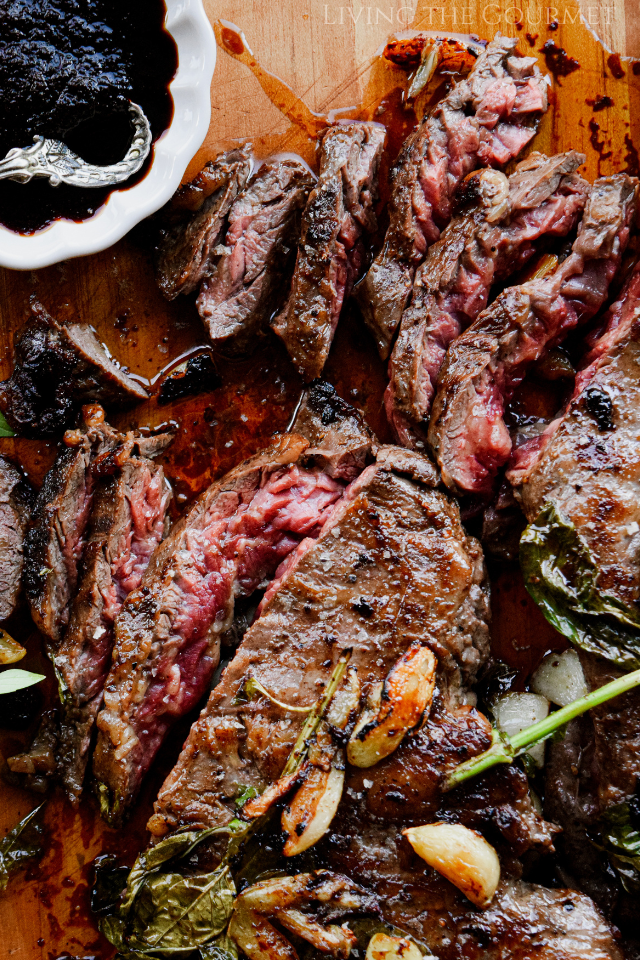
- Grilled Red Meat: The 'by the book pairing.' Cabernet Sauvignon's robust structure makes it an excellent pairing for grilled red meats like steak or lamb. The wine's tannins cut through the fattiness of the meat, enhancing and balancing the overall experience. Think seared steaks, herb-roasted leg of lambs, hardy burgers, and pork shoulders.
- Hard Cheeses: Cabernet Sauvignon's bold flavors make a delightful pairing with equally robust cheeses such as aged cheddar, gouda, or Parmesan.
- Herb-Infused Dishes: Dishes seasoned with herbs like rosemary or thyme are an excellent match for Cabernet Sauvignon's herbal notes. Consider rosemary-crusted lamb or a thyme-infused roast.

Shiraz / Syrah Food Pairings:
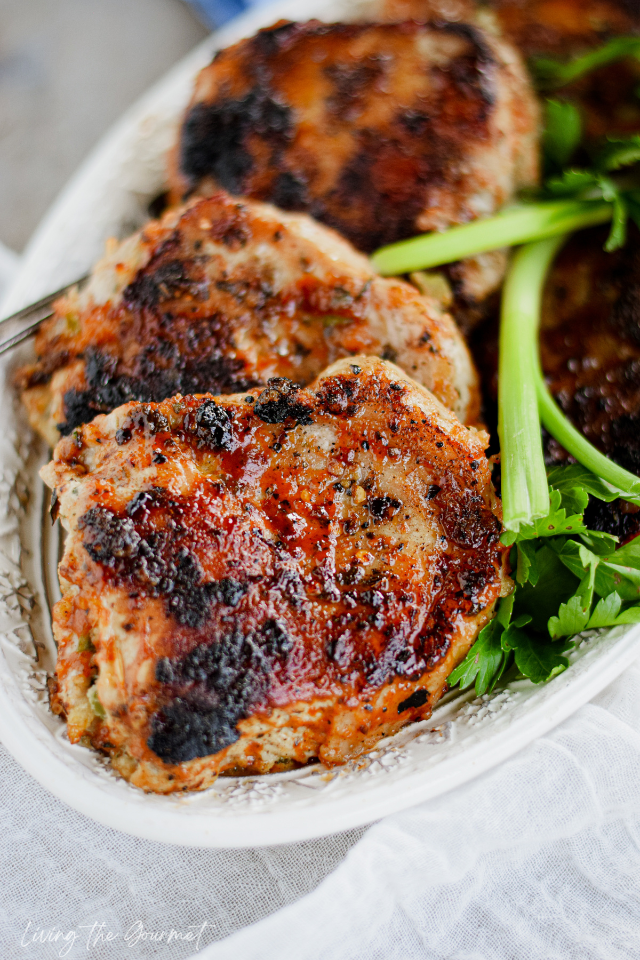
- Barbecue: The bold, fruity character of Shiraz is an excellent match for smoky barbecue dishes. Whether it's grilled ribs, pulled pork, or barbecued chicken, the wine's intensity makes it well able to stand up to the bold flavors of the grill.
- Spicy Cuisine: Shiraz's peppery notes make it an ideal companion for spicier dishes. Try it with spicy sausages, blackened Cajun-style dishes, spicy marinara sauces, or Thai or Indian cuisine.
- Wild Game: The savory and meaty qualities of Shiraz make it a natural partner for game meats. Venison, duck, or even wild boar can all pair deliciously with Shiraz's complex flavor profile.

General Tips:
- Consider the Wine's Age: Older Cabernet Sauvignons with softened tannins can pair well with more delicate dishes like braised meats or mushroom-based dishes. Younger, tannic Cabernets benefit from heartier fare.
- Experiment with Sauces: Both wines can adapt to different sauces. Cabernet Sauvignon, with its structure, can handle rich red tomato-based sauces, while the fruitiness of Shiraz can complement fruit-based sauces, cream sauces, or as an accompaniment to wine reductions.
Overall Pairing Considerations:
- Intensity Matching: Match the intensity of the food with the wine. Robust, full-bodied dishes pair well with the boldness of both Cabernet Sauvignon and Shiraz.
- Regional Pairings: Consider the origin of the wine. Cabernet Sauvignon from Bordeaux might pair exceptionally well with classic French cuisine, while Shiraz from Australia can be a great match for regional Australian flavors.
As always, I implore you to remember that personal preference is king when making pairing decisions. What I find pairs well, or what is considered a 'by the book' pairing, may not be to your liking. So experiment and find what works best for you personally.
If You Enjoyed This Article…
If you enjoyed this article, and want more content like it, be sure to check out our Ultimate Wine Pairing Guide, where we provide you with a crash course that will have you pair wine and food like a master sommelier in no time! From learning how to pair white wines with more than just fish and salad, to covering the ins and outs of the perfect accompaniment for Bordeaux Blends, and deciphering the tricky-yet-delicious to pair pinks, this guide has got you covered.
Cheers!


Melissa Cushing says
I am going to do a large wine order as I just got a new 62 bottle wine fridge! I am for sure a fan of Cabernet Sauvignon but will have to grab a few bottles of Shiraz to try too! Thanks for sharing!
Melanie E says
Although both of these wines do sound delicious my preference is the Shiraz. This would be due to the tannins not being as pronounced.
Hari says
Haven't tasted the red wine until now but these two sound like awesome ones to try. Loved reading the details!
Marysa says
I had no idea what the differences were between the two. Very interesting and informative! I will have to remember these when I have some cabernet.
Melanie williams says
We are a house of wine lovers so always willing to learn new and exciting Wine advice. Thanks for sharing such am informative article its brilliant xx
Lisa says
I’m a wine drinker but not a wine expert so I appreciate you explaining the difference. I would drink both but I think I prefer the cab over the shiraz.
Marie Cris Angeles says
To be honest, I'm not a wine drinker. But, my family are wine lovers, they drink wine almost every day.
Clark says
I do remember my first dinner date with my wife, we always argued about which wine was better. Sauvignon or Shiraz. And we were surprised to find out that we preferred the same wine, which turned out to be a blend of Cabernet Sauvignon and Shiraz.