
This post has been sponsored by Cotes de Provence. The following message is intended for those 21+. All opinions expressed are my own. Please enjoy responsibly.
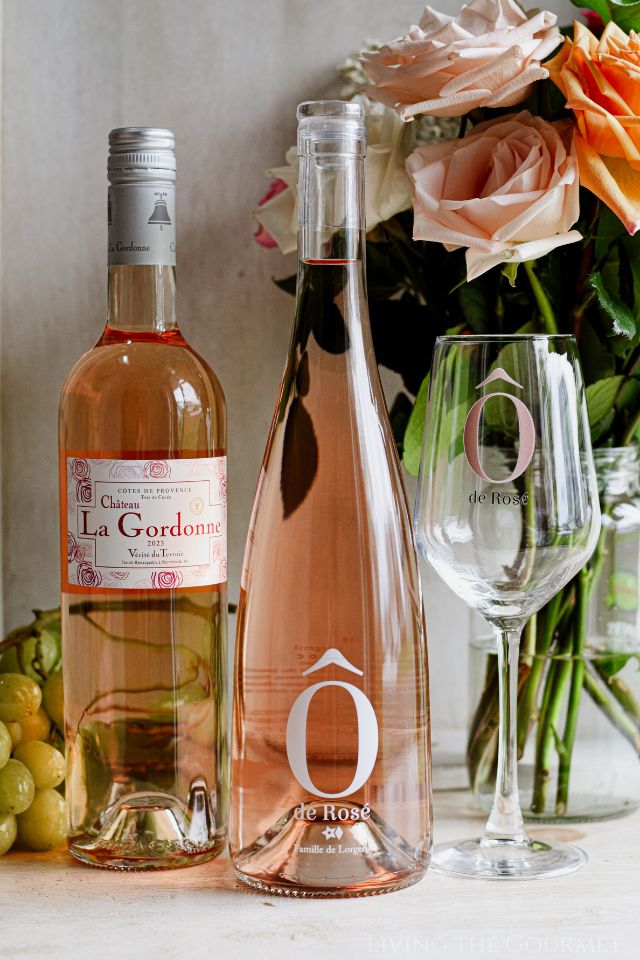
Today we'll be reviewing a pair of rosés from Cotes de Provence, France. Up first, we'll be taking a look at Chateau La Gordonne's Verite du Terroir, after which we'll be sampling Famille de Lorgeril's O de Rosé.
Naturally, I'll be giving some tasting and aromatic notes on the wines, talking a little about what makes Cotes de Provence tick, and offering some pairing suggestions to help these bottles shine.
Now, without further delay, let's get tasting.
The Where - Cotes de Provence, France
Located in the southeastern corner of France, in the Provence-Alpes-Cote d'Azur region, Cotes de Provence benefits from a Mediterranean climate generally characterized by warm, sunny days and cool nights. However, the terroir of Cotes de Provence can vary widely from one area to another, from the balmier, sea breeze-lashed Mediterranean climates found along the coast of the appellation's southern reaches, to the cooler sub-alpine hills in the north. This varied terroir, along with the region's diverse soils, which range from limestone and clay to schist and gravel, has led to a wide range of variance between vineyards and the styles of wines that they produce.
The largest of the Provence appellations, covering about half of the entire Provence wine region, Cotes de Provence is itself divided into several sub-regions. These include Sainte-Victoire, La Londe, Pierrefeu, and Fréjus. Each sub-region is characterized by its own defining features, from the limestone soils of Sainte-Victoire to the Massif des Maures hills of La Londe.
The overwhelming majority of the appellation's output is rosé wine, in excess of about ninety percent according to tracking by Vins de Provence, though a small amount of both red and white are produced in some of its subregions. In this near-total focus on the production of rosé, the predominant grapes of Cotes de Provence include Grenache, Cinsault, Syrah, Mourvedre, and Tibouren. Meanwhile, Rolle (also called Vermentino), Ugni Blanc, and Clairette are the varietals of choice for Cotes de Provence white wines.
With all of that out of the way, what characterizes a Cotes de Provence rosé wine? For starters, these wines typically feature a crisp acidity, which provides a refreshing, palate-cleansing effect. The flavor profile typically features a blend of red fruitiness, with flavors of fresh strawberries, cherries, and sometimes peaches or melons, balanced by subtle herbal and mineral undertones. The wines are typically dry, with just a hint of sweetness, making them incredibly versatile and food-friendly. On the nose, Cotes de Provence rosés often offer aromas of red berries, such as strawberry and raspberry, along with hints of citrus zest and floral notes.
Overall, Cotes de Provence rosé wines are celebrated for their elegance, balance, and easy-drinking appeal, making them perfect for enjoying on warm summer days or pairing with a variety of dishes, from light salads and seafood to grilled meats and Mediterranean cuisine.
Aromatics and Tasting - The Review
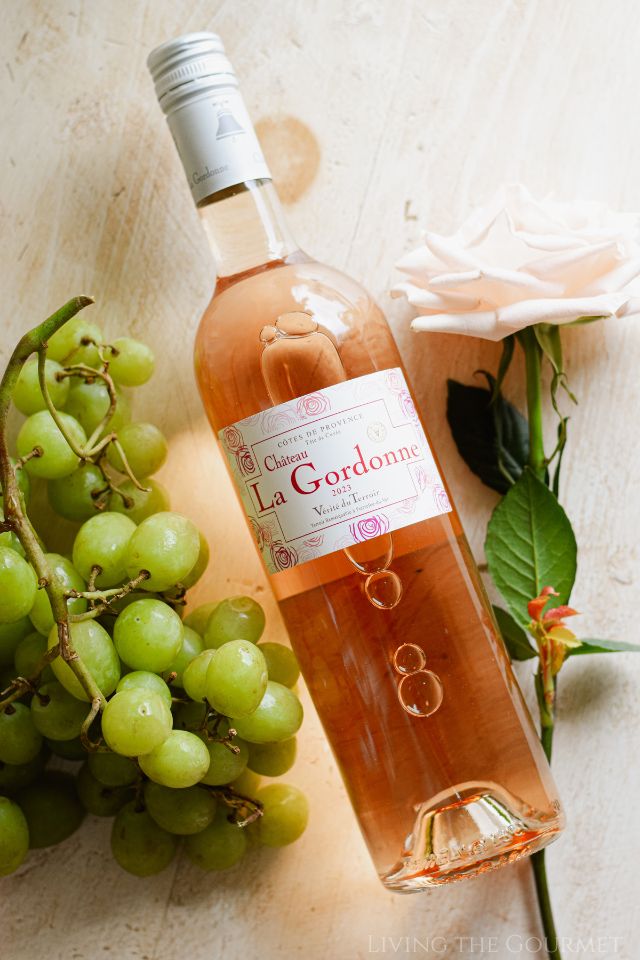
The Chateau La Gordonne Verite du Terroir cotes de Provence Rose features a pale salmon coloration, and introduces itself with red berry notes of strawberry and raspberry, with just a subtle hint of citrus, perhaps a twist of lime or grapefruit. On the palate, the wine features a lush medley of juicy strawberries with light cherry essence. Very pleasant. A thoroughly "Summer Rosé" from start to finish.
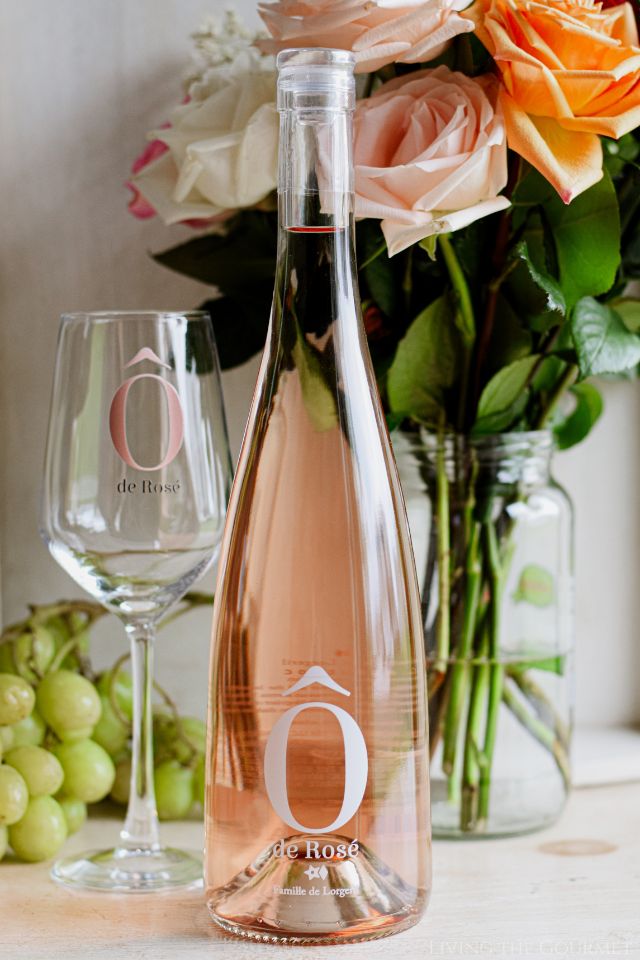
The O de Rose greets with mild strawberry and cherry aromatics, with watermelon and citrus notes lingering in the background. On the palate, the wine features a crisp acidity, and dry herbal notes complement the red berry flavor profile very nicely, adding a touch of complexity.
What to Eat - The Pairings
With Both Roses: For appetizers, you might consider serving these rosés with bruschetta topped with diced tomatoes, basil, and a drizzle of balsamic glaze to complement the wine's fruity flavors. Grilled shrimp skewers marinated in a citrusy herb dressing or a summery salad topped with grilled chicken, mixed greens, strawberries, and goat cheese would make excellent main course pairings. For dessert, opt for a fruit tart or berry crumble served with a dollop of whipped cream to enhance the wine's juicy strawberry notes and provide a delightful conclusion to the meal.
And that's our review. If you tried either of today's wines or have any questions or suggestions, be sure to let us know in the comments below, we always love hearing from you.
Cheers!
Khush says
We love Rose wine. It looks so good with berry and citrus notes.
Jenny says
I love to read a wine pairing, this is always the trickiest part for me!