
This post has been sponsored by Consorzio Asti DOCG. The following message is intended for those 21+. All opinions expressed are my own. Please enjoy responsibly.
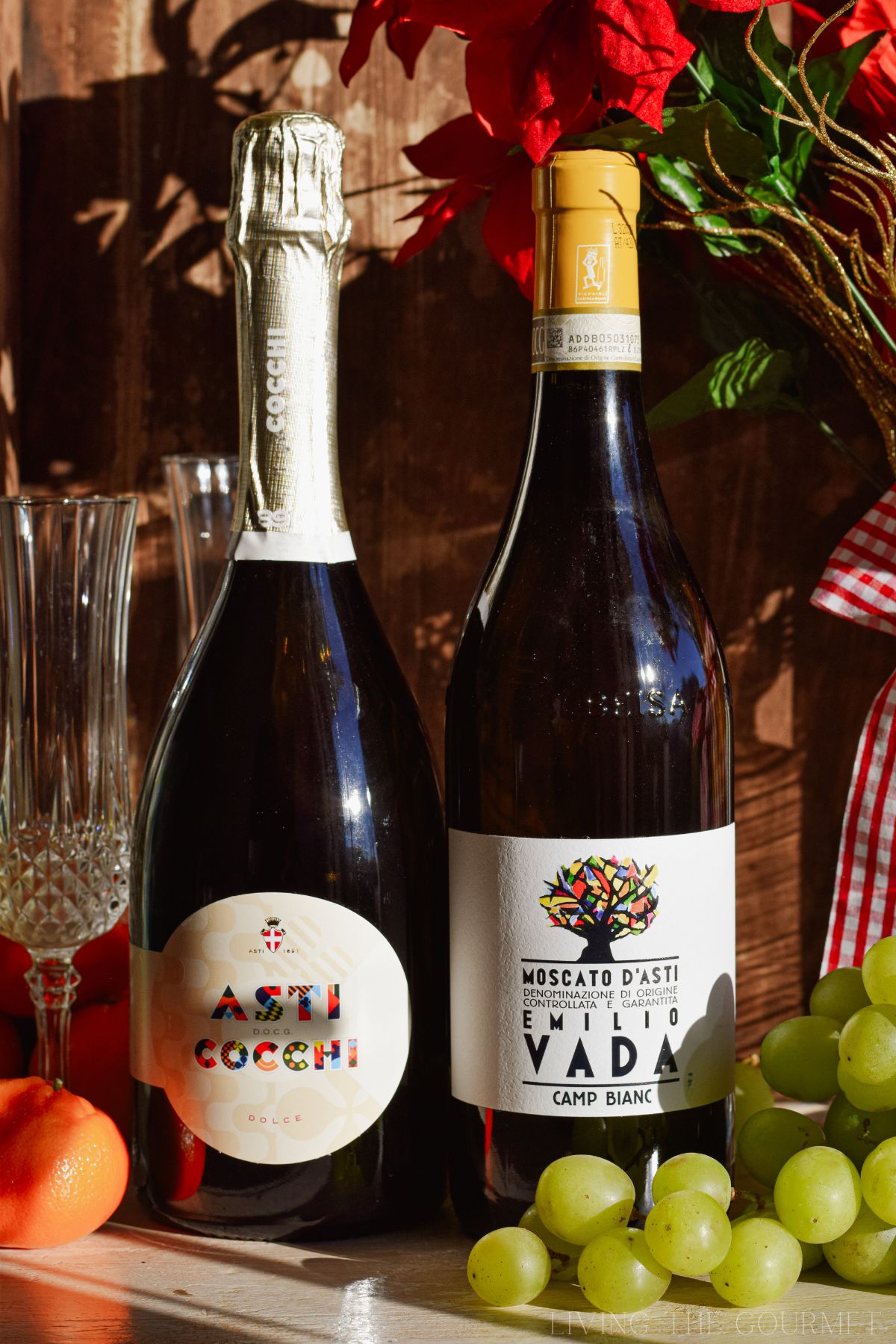
Today we're reviewing a pair of bottles from the Asti DOCG. First up we'll be taking a look at a Moscato d'Asti from Emilio Vada, their Camp Blanc, and from Cocchi we'll be sampling an Asti Spumante, labeled Dolce.
As always, we'll be taking a brief tour of Piedmont as a wine region, and from there we'll delve into the bottles themselves. I'll be reviewing both wines, and then we'll take a look at some pairing suggestions to ensure you get the most out each bottle.
Now, let's get tasting.
The Where -Piedmont, Italy
Located in an area typified by idyllic rolling hills, and graced by 'merely moderate' elevations, the vineyards of Asti enjoy terroir that is nothing less than ideal for the cultivation of grapes. The area's soils are a mix of clay, limestone, and sandstone, which help the region's grapes to ripen slowly and evenly. The mild climate, soil composition, and rolling hills combine to create an environment that is simply ideal for the cultivation of grape vines, while copious sea breezes serve to help the vines retain their acidity.
Located in northern Italy, Piedmont abuts the Alps, which impart the area with a 'thoroughly continental' climate. That means cold winters and warm summers, which in turn further ensures the area's suitability for grape growing. This is especially true during the growing season where daytime temperatures are typically quite warm, and the nights are pleasantly cool, contributing to the development of aromatic compounds in the grapes. The diurnal temperature variation helps retain the grapes' natural acidity, a crucial factor in the refreshing and balanced nature of Asti's wines.
Within the Asti DOCG, the Moscato Bianco grape variety takes center stage - encompassing well over ninety-nine percent of all wines produced therein. An aromatic white grape, Moscato Bianco is known for its floral and fruity characteristics, making it a perfect choice for the production of sparkling wine.
The Moscato Bianco grape is characterized by being fruit-forward, lusciously floral, and grape-heavy, both in the bouquet and on the palate. This is a wholly 'indulgent' grape that, likewise, produces wines that are meant to be indulged in. This makes Moscato Bianco a great choice for light-hearted, 'easy drinking' bottles - and Moscato sparkling wines have become a consumer favorite doing precisely that.
Moscato d'Asti vs Asti Spumante
Moscato is Moscato, right? Moscato d'Asti and Asti Spumante are basically the same thing, aren't they?
Not quite.
Yes, Moscato d'Asti and Asti Spumante are both sparkling wines made in Piedmont, and both are produced from Moscato Bianco grapes.
It is true that both wines feature similar aromatics of peach, apricot, and floral notes. However, Moscato d'Asti often has a more pronounced fruitiness and a lighter, more delicate mouthfeel compared to Asti Spumante, which often (though not always!) features a richer and more intense flavor profile.
Speaking strictly of flavor, sweetness is often regarded as a defining feature for both wines, though Moscato d'Asti is typically sweeter than its Asti Spumante counterpart. Moscato d'Asti is a lightly sparkling wine (frizzante) with a lower alcohol content, resulting in a softer, more delicate sweetness.
Asti Spumante, on the other hand, is a fully sparkling wine (spumante) and tends to be slightly less sweet than Moscato d'Asti, with a higher level of effervescence.
On a technical level, Moscato d'Asti is made using the Charmat method (also called Martinotti Method), where the wine undergoes a secondary fermentation in stainless steel tanks to create its gentle fizz. Asti Spumante, on the other hand, can be produced using both the Matinotti Method and the traditional method (also known as the Champagne method), where the secondary fermentation occurs in the bottle, resulting in finer bubbles and a more complex, richer texture.
Regardless, as mentioned above, both Moscato d'Asti and Asti Spumante are regarded as indulgent, easy-drinking wines. So, best not stress over the finer differences, and instead simply enjoy.
Aromatics and Tasting - The Review
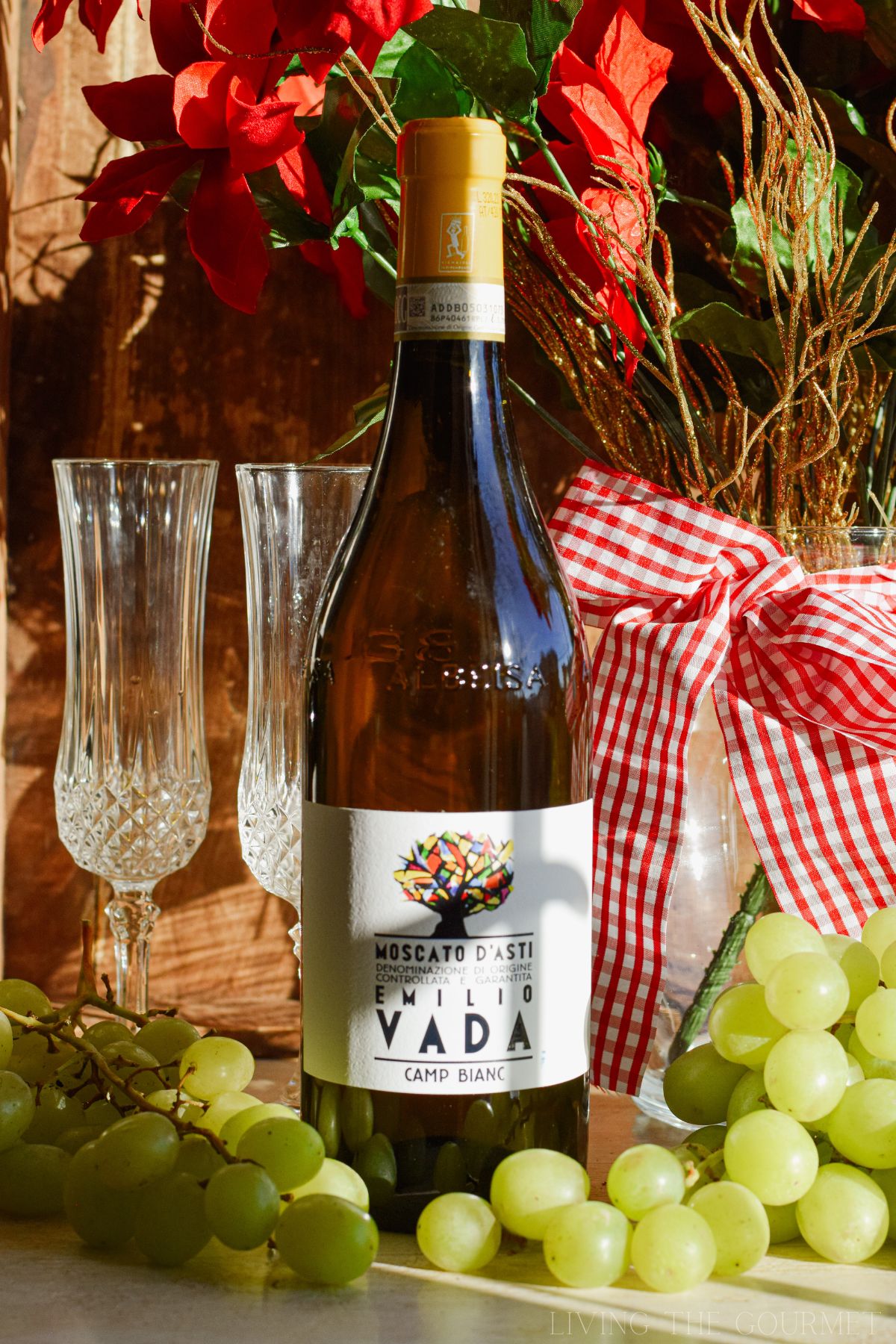
The Emilio Vada Camp Bianc Moscato d'Asti opens with notes of honey and peach off the top of the glass, carried on a subdued effervescence, with just a touch of apricot deeper into the glass. On the palate, this frizzante Moscato features notes of honey and peach carried on small bubbles, with a smooth acidity. Pleasantly sweet, this is a by-the-book Moscato that's delightfully easy to love. Very enjoyable.
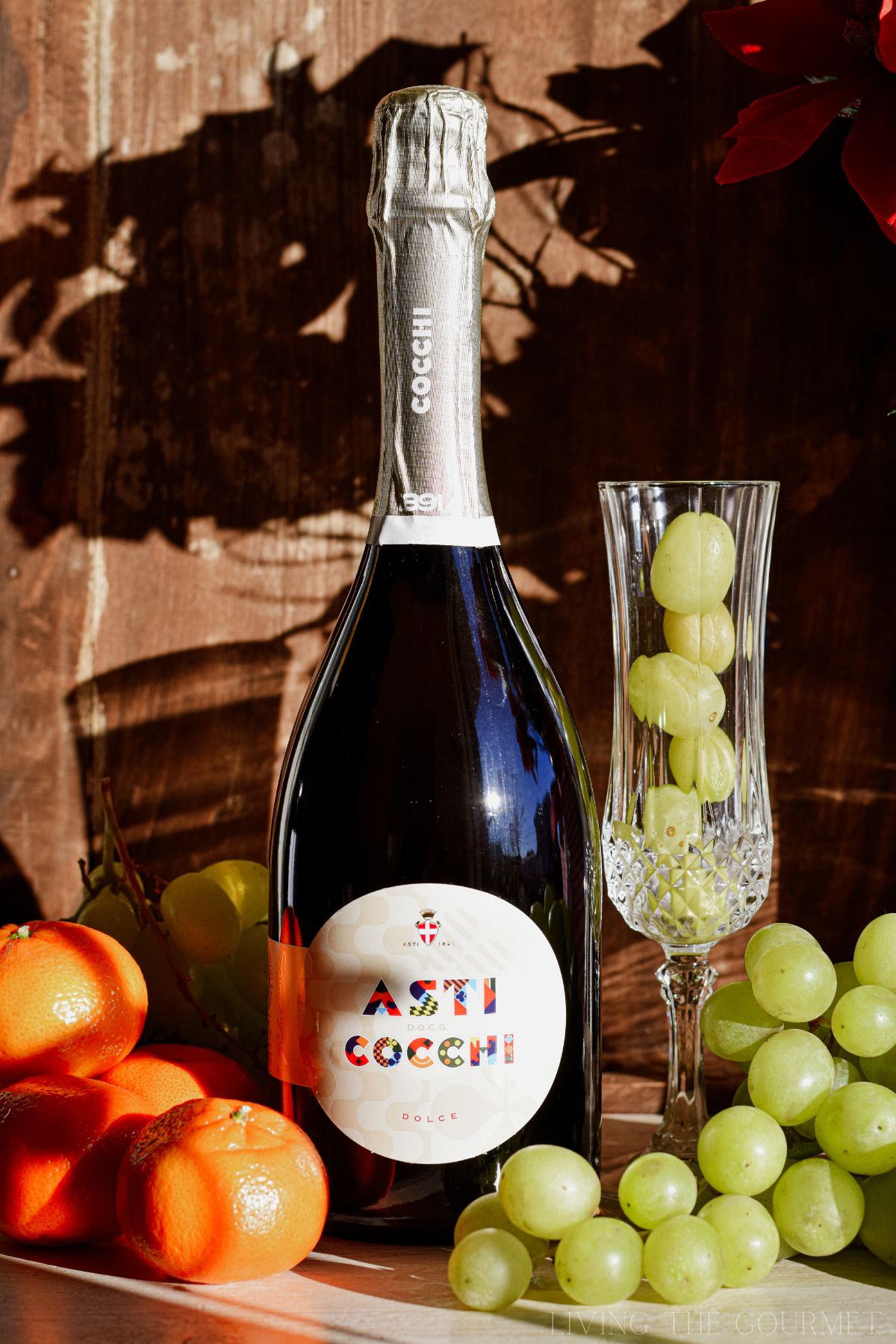
The Cocchi Asti Dolce greets with a pale lemon hue and a lively effervescence. Off the top of the glass, the wine features notes of elderflower and citrus, with hints of tropic fruit and tangerine. On the palate, the wine features a thoroughly medium acidity and medium sweetness, carried on a light body. Very pleasant, very simple, and entirely unpretentious.
Pairing Suggestions - What to Eat
Pairings for these two Moscato d'Asti wines are very similar, and what pairs well with one will almost certainly pair well with the other. With that in mind, here are a few pairings to help really heighten the experience of either bottle.
- Light and fruity desserts: As with any by-the-book Moscato d'Asti, one of the best pairing genres are light and fruity desserts such as fresh fruit tarts, fruit salads, sorbets, and gelato.
- Creamy desserts: The delicate bubbles of the Emilio Vada Camp Blanc, and its sweetness, makes it a delightful accompaniment to creamy desserts like panna cotta, cheesecake, and crème brûlée.
- Spicy dishes: The light sweetness and lively effervescence of the Cocchi Moscato Asti Spumante make it an excellent pairing for spicy dishes such as Thai, Indian, or Mexican cuisine.
And that's our review of these two Asti DOCG wines. If you tried either of today's wines, enjoyed this review, or have any questions or suggestions be sure to let us know in the comments below. We always love hearing from you!
Cheers!
1

Leave a Comment